People have turned to symbols of bravery for thousands of years, and across every culture and tradition, the language of courage looks remarkably similar. Whether you're drawn to courage symbolism because you're considering a meaningful tattoo, exploring world cultures, or simply curious about the stories humans have always told themselves about bravery, you'll find something here worth knowing.
What’s in This Guide?
This guide brings together eleven of the most recognised and enduring symbols of courage from around the world, along with answers to some of the questions people most often ask on this topic.
Jump to:
- 1. The Lion: Courage in Its Most Iconic Form
- 2. The Eagle: A Bird of Bravery
- 3. The Japanese Symbol for Brave: 勇気 (Yūki)
- 4. The Chinese Symbol for Courageous: 勇 (Yǒng)
- 5. Flowers That Represent Courage and Bravery
- 6. Trees Associated with Bravery
- 7. The Colours of Courage
- 8. Crystals for Courage
- 9. The Solar Plexus Chakra and Bravery
- 10. Herbs That Symbolise Bravery
- 11. The Bear: A Symbol of Fierce, Protective Courage
- Tattoos that Symbolise Courage
- Other Symbols Worth Exploring
- Enrol in Our Religious Studies Course for £29
1. The Lion: Courage in Its Most Iconic Form
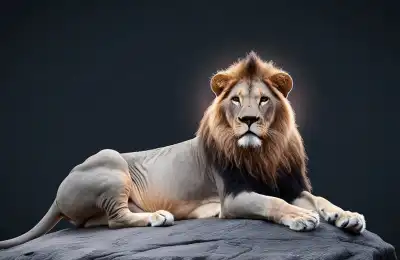
When you think about the relationship between a lion and courage, you're tapping into one of the oldest and most widespread symbolic associations in human history. Across ancient Egypt, medieval Europe, East Africa, and South Asia, the lion has consistently served as the ultimate symbol of courage, representing both physical power and dignified, unwavering bravery.
In European heraldry, the lion rampant (rearing on its hind legs) appears on countless coats of arms as a declaration of valour. In Christianity, the lion is associated with Christ's resurrection and the courage of faith. In Buddhism, the lion's roar is a metaphor for the bravery of speaking truth. In Hinduism, the goddess Durga rides a lion into battle, embodying bravery through divine feminine strength.
Even in modern culture, the lion is still a recognised symbol of bravery. From national emblems to sports teams, this animal continues to serve as a universal shorthand for courage, and its resonance shows no signs of fading.
2. The Eagle: A Bird of Bravery
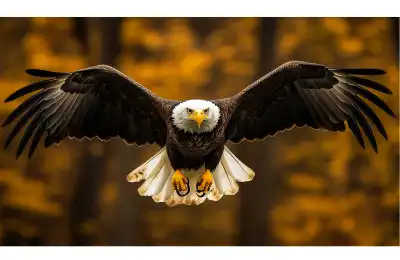
Of all the birds associated with bravery and strength, the eagle stands above the rest. Its ability to soar at great heights, fly directly into the wind, and hunt with extraordinary precision has made it a natural emblem of courage across cultures and centuries.
In Native American traditions, the eagle is considered a sacred messenger between the earthly and spiritual worlds, representing clarity, vision, and the courage to rise above difficulty. In ancient Rome, the eagle was the standard of the legions, carried into battle as a symbol of military power and bravery. Today, the eagle appears on the national flags or emblems of over 25 countries, chosen precisely because of what it communicates: freedom, fearlessness, and strength.
The eagle is far from the only bird with bravery associations, though. The falcon, sacred in ancient Egypt as the god Horus, represents protection and divine courage. The mythological phoenix — rising from its own ashes — has become a globally recognised symbol of resilience and the courage to begin again. If you're looking for a bird that represents bravery with a particularly transformative message, the phoenix is hard to beat.
3. The Japanese Symbol for Brave: 勇気 (Yūki)
For those drawn to East Asian calligraphy and philosophy, the Japanese courage symbol is one of the most elegant and meaningful options to explore. The kanji character 勇 (yū, meaning "brave") is the core of the Japanese character for courage, and when combined with 気 (ki, meaning "spirit" or "energy"), it forms 勇気 (yūki) — the Japanese word for courage itself.
In the philosophy of bushidō — the samurai warrior's code — courage was one of seven essential virtues, sitting alongside honour, integrity, and compassion. Being brave, in this context, meant acting rightly even when it was difficult or dangerous to do so. It was moral courage as much as physical.
The Japanese symbol for bravery appears in martial arts dojos, traditional ink paintings, and contemporary art. If you're considering this as a symbol for a tattoo or decorative piece, it's well worth taking the time to understand its fascinating history.
4. The Chinese Symbol for Courageous: 勇 (Yǒng)
The courage symbol in Chinese tradition shares the same character as its Japanese counterpart — 勇 — though the pronunciation differs. In Mandarin, the Chinese symbol for courageous is pronounced yǒng, and its philosophical roots run equally deep.
In Confucian thought, courage (勇) was considered one of the three universal virtues alongside wisdom and benevolence. Importantly, Confucius distinguished between the courage of the noble person and the courage of the unthinking — for Confucius, genuine bravery required wisdom and moral grounding. Without those qualities, what looked like courage could simply be recklessness.
This nuanced view of the courage symbol that Chinese culture upholds is worth sitting with. It suggests that true bravery is all about acting wisely, even under pressure.
5. Flowers That Represent Courage and Bravery
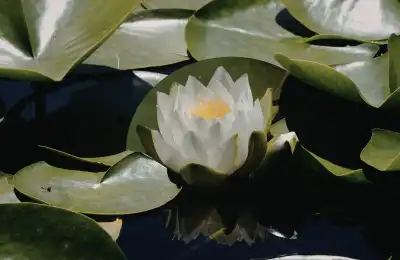
You might be surprised to learn how many flowers carry associations with courage. Different cultures have attributed the meaning of bravery to different blooms, and each has its own story.
- The lotus flower is perhaps the most powerful floral symbol for bravery across spiritual traditions. Because it grows from muddy, murky water and rises into a pristine bloom above the surface, the lotus represents the courage and resilience it takes to rise above adversity. In Buddhism and Hinduism, it is a profound symbol of spiritual strength.
- The borage (also known as starflower) has been associated with courage since ancient times. Roman soldiers were said to drink wine infused with borage before battle, and in medieval England, borage was embroidered onto the scarves of knights heading into combat.
- The protea, a bold and dramatic flower native to South Africa, is widely associated with courage, transformation, and daring — fitting for such a striking bloom.
- The gladiolus, whose name derives from the Latin word for "sword," has long been connected with strength of character and moral integrity.
Whether you're drawn to the quiet, spiritual courage of the lotus or the bold statement of the protea, flowers offer a softer, more personal way of expressing bravery.
6. Trees Associated with Bravery

The oak stands out across multiple traditions as a tree that represents bravery. Revered by the ancient Celts, the Norse, and the Greeks alike, the oak is a symbol of strength and deep-rooted resilience. In Celtic tradition, the oak was sacred to the Druids and associated with wisdom, protection, and the bravery to withstand whatever life brings. In Norse mythology, the oak was connected to Thor, the god of thunder.
The olive tree also carries associations with a quieter kind of courage: the bravery of pursuing peace in the face of conflict. And Yggdrasil, the great ash tree of Norse mythology (the World Tree connecting all realms of existence), represents the cosmic courage required to face the unknown and hold everything together.
Trees, as symbols, offer something slightly different to animals or words. Their courage is patient and enduring rather than dramatic. They grow slowly, weather storms, and remain standing. There's something deeply comforting about that kind of bravery.
7. The Colours of Courage

Colour has long been used as a form of symbolic language, and when it comes to bravery, red is the most universally recognised answer. Bold, energising, and impossible to ignore, red is associated with blood, fire, passion, and the will to act. In many cultures, red carries a message of courage and sacrifice. The red poppy worn on Remembrance Day in the UK is a powerful example of red as a bravery symbol, honouring those who showed extraordinary courage in conflict.
8. Crystals for Courage
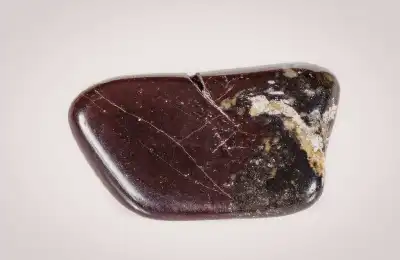
For those who find meaning in the natural world, crystals offer a beautiful way to connect with the idea of courage. Several stones have long been associated with bravery.
Tiger's eye is perhaps the most well-known crystal for courage. This warm, golden-brown stone with a distinctive shimmer is believed to offer strength and the confidence to face challenges without flinching. Its very appearance seems to embody steadiness and power.
Other crystals connected to courage include:
- Carnelian: a vibrant orange stone associated with motivation, endurance, and the courage to take action.
- Aquamarine: thought to help dissolve fear and anxiety, creating the calm inner space from which bravery can emerge.
- Bloodstone: historically carried by soldiers as a physical talisman of courage and protection in battle.
Whether or not you hold a belief in crystal healing, these stones have served for centuries as meaningful, physical reminders that courage is something you carry with you.
9. The Solar Plexus Chakra and Bravery

In the yogic and Ayurvedic traditions of India, the body contains seven energy centres known as chakras, each associated with different qualities of mind and spirit. The chakra most closely associated with bravery and personal power is the solar plexus chakra, known in Sanskrit as Manipura.
Located in the upper abdomen, the solar plexus chakra governs self-confidence, personal will, and the courage to take action. When this energy centre is open and balanced, you may feel a strong sense of inner authority and a groundedness that makes it easier to face difficulty without being overwhelmed.
The heart chakra (Anahata) is also worth mentioning in this context. It governs emotional courage and the bravery required to be vulnerable and remain open-hearted even after being hurt. This is perhaps the most quietly demanding kind of courage there is.
Practices such as yoga, breathwork, and meditation are commonly recommended for nurturing both of these energy centres.
10. Herbs That Symbolise Bravery

Herbs have been used across history not only for their medicinal properties, but as powerful symbols, and several are specifically linked to courage and bravery.
- Thyme is perhaps the most famous herb for bravery. In ancient Greece and Rome, thyme was associated with courage and vigour. During the Middle Ages in Europe, it was common for ladies to embroider sprigs of thyme onto the clothing of knights before they went into battle.
- Borage, as mentioned in the flowers section, has dual status as both a plant for bravery and a herb with associations to courage. Its small blue star-shaped flowers were thought to "exhilarate the mind and make men and women glad and merry" and, crucially, brave.
- Basil carries associations with strength and protection in several cultural traditions, and is sometimes used in spiritual practices intended to support courage and decisive action.
11. The Bear: A Symbol of Fierce, Protective Courage

The bear is one of the most enduring animal symbols of bravery and courage across the world, and yet it's often overlooked in favour of the lion or eagle. In Native American traditions, the bear is a powerful symbol of inner strength, healing, and the fierce, protective courage of a parent defending its young. Many tribes regarded the bear as a spirit guide associated with confidence and warrior energy.
In Norse mythology, the berserkers — elite warriors known for their fearlessness in battle — were said to channel the spirit of the bear, wearing bearskins and fighting with almost supernatural ferocity. The very word "berserker" is thought to derive from the Old Norse for "bear-shirt." In Celtic tradition, the bear was associated with sovereignty and strength, and the name Arthur itself may derive from the Celtic word for bear.
Tattoos that Symbolise Courage
Tattoos are one of the oldest forms of symbolic expression, and symbols of courage tattoos remain among the most popular choices for people seeking meaningful body art. If you're considering one, there are some beautiful and time-tested options worth exploring.
The lion tattoo is a perennial favourite, being that it’s immediately legible as a courage symbol. The Japanese bravery symbol in brushstroke calligraphy is a more understated but equally powerful option, carrying centuries of philosophical weight. Similarly, the Chinese symbol rendered in clean lines makes for an elegant and meaningful tattoo for courage.
For those drawn to nature imagery, the lotus flower makes for a particularly meaningful tattoo, especially for those who want to represent the courage of rising above hardship. The phoenix is another compelling choice as a courage tattoo, representing transformation and renewal.
If you're considering courageous tattoos in the form of Eastern characters, take the time to research the meaning and cultural context carefully.
Other Symbols Worth Exploring
What Element Symbolises Courage?
In elemental symbolism found across many spiritual traditions, fire is most consistently associated with courage. Fire is active, transformative, and bold; it moves forward and illuminates. It’s also the element most often associated with Mars, the planet of courage.
What Planet Represents Courage?
In astrological tradition, Mars is the planet that represents courage. Named after the Roman god of war, Mars governs drive, action, and the willingness to confront obstacles head-on. In a birth chart, a well-placed Mars is often interpreted as courage, assertiveness, and the ability to act under pressure.
Which Emoji Represents Courage?
No single emoji was specifically designed to represent courage, but in everyday digital communication, the most widely used symbols for bravery are ? (lion), ? (flexed arm), and ? (fire). The lion emoji, in particular, has become an intuitive shorthand for courage and strength in digital conversations.
Recommended for you!
Best Sellers


Enrol in Our Religious Studies Course for £29
If exploring the symbolism of courage has sparked your curiosity about the belief systems, philosophies, and spiritual traditions behind these ideas, the Religious Studies Diploma Course at Centre of Excellence is a wonderful next step. Enrol in the course right now for a discounted price of just £29.