If you've found yourself wondering why you have an especially clingy dog, you're far from alone. Millions of dog owners share their home with a devoted four-legged shadow, and whether you find it charming or a little overwhelming, understanding the reasons behind it can make a real difference.
What's in this Guide?
This post covers the key causes of clingy dog behaviour, how to spot the signs, and practical advice on how to help your dog feel more settled and confident. Whether the clinginess has crept up gradually or appeared out of nowhere, you'll find answers here.
Jump to:
- What is a Velcro Dog?
- Signs of a Clingy Dog
- Why is My Dog So Clingy?
- Why is My Dog Clingy All of a Sudden?
- Velcro Dog vs Separation Anxiety: What's the Difference?
- Which Dog Breeds Are the Most Clingy?
- Is it Bad if My Dog is Too Clingy?
- How to Help a Clingy Dog
- Is it Okay to Ignore a Clingy Dog?
- Study Canine Behaviour for £29
What is a Velcro Dog?
The term "velcro dog" is used to describe a dog that sticks to their owner like, well, velcro. Its meaning is pretty literal: these dogs don't just enjoy your company, they need to be as close to you as physically possible at all times. They'll follow you from room to room, sit on your feet, and watch your every move with an intensity that can feel almost human.
It's worth saying that being a velcro dog isn't always a problem. Some dogs are naturally more people-oriented than others, and a strong bond between a dog and their owner is a wonderful thing. The issue arises when that attachment becomes so intense that it causes distress or disrupts daily life for you both.
What is a Velcro Dog vs a Normal Clingy Dog?
There's some overlap between the two, but a velcro dog tends to display this as a consistent personality trait rather than a response to a specific trigger. A clingy dog, on the other hand, might become needy in certain situations: when they're unwell, anxious, or when something in their environment has changed. Understanding which category your dog falls into is the first step to helping them.
Signs of a Clingy Dog

Before you can address the behaviour, it helps to know exactly what you're looking for. Some of the most common signs of a clingy dog include:
- Following you from room to room constantly, even during mundane tasks
- Sitting directly on your feet or pressed up against your legs
- Nudging your hand repeatedly for attention
- Becoming restless, whiny, or vocal when you're out of sight, even briefly
- Waiting outside the bathroom door and appearing anxious until you return
- Inability to settle or relax unless physically near you
- Pawing at you or trying to climb onto your lap even when you're busy
If your dog is also panting, pacing, or seems distressed when you move away, that can be a sign of something more significant than general clinginess.
Why is My Dog So Clingy?
There are several reasons why a dog might be particularly attached to their owner. It's rarely just one thing, and the cause can vary depending on the individual dog, their history, and their current circumstances.
1. They're Wired That Way
Some dogs are simply born more social and people-focused than others. Dogs that were bred to work closely alongside humans, like spaniels, retrievers, and herding breeds, often have a natural inclination to stay close to their person. It's in their DNA, and it doesn't necessarily indicate a problem.
2. Early Life Experiences
Dogs that weren't well socialised as puppies, or that experienced instability in their early weeks, may develop stronger attachment behaviours as a way of seeking security. If your dog came from a rescue or had multiple homes before yours, their clinginess could be rooted in past uncertainty.
3. You've Inadvertently Reinforced It
This one's easy to do without realising. Every time your dog nudges you and you give them a stroke, or they whine and you go to them, you're teaching them that this behaviour gets results. Over time, that reinforcement builds a pattern and a very needy dog.
4. They're Picking Up on Your Emotions
Dogs are extraordinarily sensitive to human emotion. If you've been stressed, unwell, or going through a difficult time, your dog may be responding to that by staying closer. Many owners notice their dog is more clingy when they're unwell, and that's no coincidence. Your dog is essentially trying to check in on you.
5. Age-Related Changes
It's common for owners to notice that their older dog is suddenly clingy. As dogs age, they can experience cognitive changes, sometimes referred to as canine cognitive dysfunction, that leave them feeling confused or unsettled. Sticking close to you is their way of feeling safe. Sensory decline, such as reduced hearing or vision, can also make the world feel less predictable, prompting them to rely on you more heavily.
Why is My Dog Clingy All of a Sudden?
If your dog has always been fairly independent but has suddenly become velcro-like, that's worth paying attention to. A dog being clingy all of a sudden is often a signal that something has changed, either in their environment, their body, or their emotional state.
Common Causes of Sudden Clinginess
- A change in routine: moving home, a new baby, a shift in your working hours, or a family member leaving.
- A stressful event: fireworks, a trip to the vet, or an encounter with another dog can leave a lasting impression.
- Medical reasons: pain, hormonal changes, or illness can all cause a previously settled dog to become noticeably needier. If your female dog is suddenly clingy, it's worth considering whether she's in season, pregnant, or experiencing a phantom pregnancy.
- Boredom or under-stimulation: a dog that isn't getting enough exercise or mental enrichment may ramp up attention-seeking behaviours.
- You've been away: even a short trip or a change in how much time you're spending at home can unsettle a dog.
If your dog has been acting clingy, and the change has been sudden and unexplained, it's always a good idea to rule out a medical cause with your vet first. There are also some good stress relief techniques for dogs worth trying if anxiety seems to be a factor.
Velcro Dog vs Separation Anxiety: What's the Difference?

This is one of the most important distinctions to understand. The two conditions look similar but aren't the same, and they don't respond to the same approach.
A velcro dog loves being with you and may follow you everywhere, but they can generally cope when left alone. They're not in distress; they'd simply rather be close to you.
Separation anxiety is different. It's a genuine emotional disorder where a dog becomes extremely distressed when separated from their owner. Signs of separation anxiety versus normal clinginess can include:
- Destructive behaviour when left alone (chewing, scratching, digging)
- Toileting indoors despite being house-trained
- Excessive barking, howling, or whining when you leave
- Pacing, drooling, or trembling at the signs you're about to go
- Self-harm behaviours in severe cases
If your dog is clingy and panting, appears panicked when you prepare to leave, or causes significant damage when alone, separation anxiety is likely involved. This goes beyond typical velcro dog behaviour and usually benefits from professional input and training. Understanding your dog's communication is a big part of this process, too.
Which Dog Breeds Are the Most Clingy?
Some breeds are far more likely to become velcro dogs simply by nature. If you've been wondering what breed of dog is the most clingy, here are some of the usual suspects:
- Vizslas: often described as the original velcro dog, they're deeply attached to their family.
- Border Collies: bred to work in close partnership with humans, they thrive on connection and can become anxious without it.
- Labrador and Golden Retrievers: friendly, people-loving, and prone to following their owner's every step.
- Cavalier King Charles Spaniels: bred as companion dogs, they genuinely struggle with time alone.
- Pugs: small and intensely people-focused, they're happiest when glued to your side.
- Shetland Sheepdogs (Shelties): loyal to the point of being shadowy, particularly with one chosen person.
- Bichon Frises: affectionate and social, they don't do well with prolonged isolation.
That said, any dog can develop clingy behaviour regardless of breed. Personality, upbringing, and experience all play a significant role. It's also worth considering temperament if you're still choosing a dog, as some lower-maintenance breeds tend to be more naturally independent.
Is it Bad if My Dog is Too Clingy?
Clinginess in itself isn't inherently bad. There are genuine benefits to having a clingy dog. These dogs are often deeply bonded, highly attuned to your moods, and wonderfully affectionate. For people who live alone or are going through a tough time, an attentive dog can be a real source of comfort.
However, unhealthy clinginess in dogs can become a problem when:
- Your dog can't be left alone without significant distress
- Their need for proximity disrupts your daily life or theirs
- The behaviour is escalating rather than staying stable
- It's accompanied by physical symptoms like excessive panting, trembling, or loss of appetite
Signs of unhealthy clinginess in dogs tend to be more about intensity and distress than closeness itself. A dog that happily settles at your feet while you work is very different from one that howls, destroys furniture, or refuses food the moment you leave the room.
How to Help a Clingy Dog
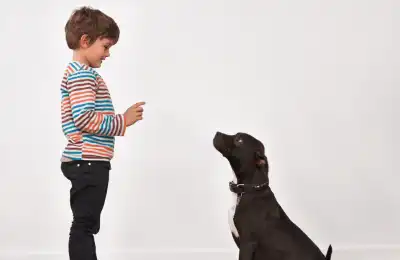
The good news is that clinginess is usually manageable, and in many cases you can make a real difference with patience and consistency. Here's how to make a clingy dog less reliant on your constant presence.
1. Build Confidence Through Independence Training
The goal isn't to make your dog love you less. It's to help them feel safe without you. Start small:
- Encourage your dog to settle in their bed or on a mat a short distance from you while you're in the same room.
- Gradually increase the distance over days and weeks.
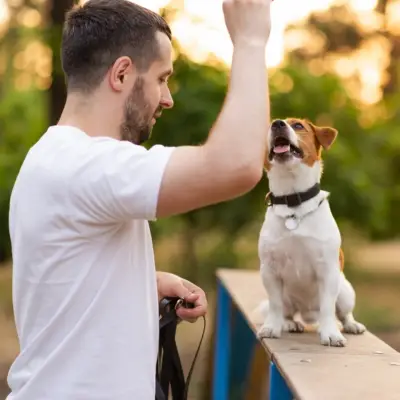
- Reward calm, settled behaviour with treats and praise rather than rewarding attention-seeking behaviour.
- Practise brief separations: step out of the room and return before your dog becomes distressed.
2. Don't Reinforce the Clinginess
This can feel counterintuitive, but it's important. If you respond every time your dog nudges you, whines, or paws at you, you're reinforcing that these behaviours work. Instead, ask for a calm behaviour (such as a sit or a down) before giving attention, and reward your dog for choosing to settle independently.
3. Create a Safe, Comfortable Space
A crate, a bed in a quiet corner, or a designated room can all help a needy dog feel secure on their own terms. Crate training for a clingy dog works best when it's introduced gradually and the crate is associated with positive things such as treats, favourite toys, and meals, rather than used as a consequence.
4. Increase Enrichment and Exercise
Sometimes clinginess is simply boredom in disguise. A dog that's mentally and physically tired is a dog that's more likely to settle. Consider enrichment activities like:
- Longer or more varied walks
- Puzzle feeders and enrichment toys
- Sniffing games and training sessions
- Dog sports or activities suited to their breed
5. Consider Professional Support
If your dog's clinginess is severe, has come on suddenly without explanation, or seems to be accompanied by anxiety, don't hesitate to seek professional input. A qualified canine behaviourist can assess your dog's specific situation and create a tailored plan. Many of the same techniques used for keeping your dog calm at the vets apply here too, so that's a useful starting point if you're looking for practical strategies.
Recommended for you!
Best Sellers



Is it Okay to Ignore a Clingy Dog?
Ignoring attention-seeking behaviour such as nudging, whining, and pawing in the moment can be a useful training tool, but you don't want to ignore your dog entirely, as that creates a different problem. The aim is to shift when and how your dog receives attention, not to withhold affection altogether. Reward your dog when they're calm and settled, and you'll naturally reduce the needy behaviour over time.
Study Canine Behaviour for £29
If you'd like to deepen your understanding of why dogs behave the way they do and learn how to help them thrive, the Canine Behaviour Training Diploma Course from Centre of Excellence is a fantastic place to start. You can access the full course for just £29 using the link below, covering everything from the science of dog behaviour to practical training techniques, all at your own pace.