The colour orange appears in nature through sunsets and autumn leaves, in design through branding and interiors, and in clothing as a statement of confidence and warmth. Many people are drawn to orange because it feels energising yet comforting, lively without being overpowering.
Understanding why this colour has such a strong emotional presence can help you use it more intentionally, whether in creative work, personal expression, or learning more about how colour influences mood and behaviour.
Recommended for you!
Best Sellers




What’s in This Guide?
This guide explores how colour psychology explains our response to orange. You’ll learn how colour theory defines its place on the colour wheel and how symbolism gives it deeper meaning across cultures and belief systems. We also examine personality traits associated with orange, its emotional effects, and its spiritual associations, including its connection to energy centres.
Jump to:
- Understanding the Psychology of Colours
- What Does the Colour Orange Represent?
- Orange Colour Theory Explained
- What Personality Traits Are Linked to Orange?
- What Does the Colour Orange Symbolise Across Cultures?
- What Is the Spiritual Meaning of the Colour Orange?
- What Chakra Is Represented by Orange?
- Frequently Asked Questions
- Study Our Colour Theory Diploma for £29
Understanding the Psychology of Colours
Colour psychology explores how different colours influence thoughts and feelings, suggesting human responses to colour are shaped by biology, personal experience, and cultural learning. Warm colours tend to stimulate and energise, while cool colours are more likely to calm and soothe.
Orange sits firmly within the warm colour group. Associated with positivity, movement, encouragement, and emotional openness, this colour creates a sense of approachability, making environments feel welcoming and socially inviting.
What Does the Colour Orange Represent?
The colour orange represents enthusiasm and confidence. It has a friendly, grounded energy that can positively impact mood..
It’s a colour associated with seasons of transition, particularly autumn, where transformation is visible and natural. This connection gives orange a meaning tied to progress and renewal rather than sudden disruption.
Orange also represents sociability and connection. It encourages communication and engagement, making it a colour often linked with shared experiences and collaboration.

Orange Colour Theory Explained
In colour theory, orange is classified as a secondary colour formed by mixing red and yellow. This combination explains much of its personality. Red contributes physical energy and intensity, while yellow contributes clarity and optimism. Together, they form a colour that feels energetic but balanced.
Orange sits opposite blue on the colour wheel, making blue the complementary or opposite colour of orange. This contrast is significant because blue brings calm, reflection, and coolness, while orange brings warmth, activity, and expression. When used together, these colours create visual and emotional balance.
Orange tends to advance visually, meaning it appears closer to the viewer. This quality makes it highly noticeable and effective as an accent colour. In design, orange is often used to draw attention or create a focal point without the urgency associated with red.
What Personality Traits Are Linked to Orange?
People who feel drawn to the colour orange are often seen as warm, expressive, outgoing, and creative. They may enjoy new experiences, value connection, and feel comfortable engaging with others. Orange is often associated with people who bring energy into a space while maintaining a sense of friendliness and approachability.

What Does the Colour Orange Symbolise Across Cultures?
The meaning of orange is shaped by history and shared cultural experiences:
- Eastern cultures: In many Eastern traditions, orange symbolises wisdom and spirituality. It’s often worn by monks and spiritual teachers to represent detachment from material possessions and a commitment to personal and spiritual development.
- Western cultures: In Western societies, orange is closely associated with creativity and warmth. It is frequently linked to autumn, harvest time, and abundance, symbolising change and renewal.
- Historical symbolism: Historically, orange pigments were rare and difficult to produce, which made the colour valuable and meaningful. This rarity gave orange a sense of richness and importance that still influences how it is perceived today, often associating it with depth and thoughtful expression.

What Is the Spiritual Meaning of the Colour Orange?
Orange symbolises joy and connection on a spiritual level, representing the ability to experience pleasure without excess and confidence without ego. It reflects an energy that helps people engage with life more fully while staying grounded.
It’s also linked to transformation and renewal, representing movement through emotional stages and the ability to adapt while maintaining inner stability.
What Chakra Is Represented by Orange?
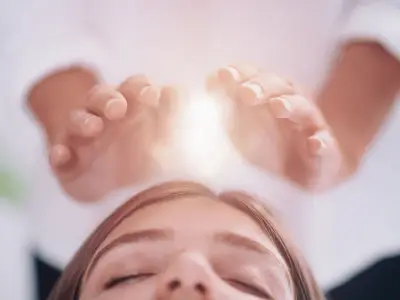
Orange is associated with the sacral chakra in many energy-based systems. This chakra is linked to creativity, emotional expression, pleasure, and relationships. It is often described as the centre of emotional flow and personal connection.
When balanced, the sacral chakra supports healthy emotional expression and a sense of enjoyment in daily life. Orange, as its symbolic colour, reflects these qualities by encouraging warmth and creative energy.
Frequently Asked Questions
How does orange affect concentration and focus?
Orange can support focus by increasing alertness and mental energy, making it helpful in creative or collaborative environments where ideas need to flow freely. However, because it is stimulating, it tends to work best in moderation rather than as a dominant colour in spaces that require deep concentration or rest.
Why is orange often used in branding and marketing?
Orange is commonly used in branding because it feels friendly and approachable. It draws attention without feeling overly intense and can encourage action and engagement.
Can orange influence appetite and physical energy?
Orange is sometimes linked to appetite and physical vitality because of its warm and stimulating qualities. Its association with citrus fruits and warmth can make it feel fresh and energising, which is why it is occasionally used in dining spaces and food-related design.
Does orange have negative associations?
Like all colours, orange can have less positive associations if overused or poorly balanced. Too much orange can feel overwhelming, particularly in quiet and reflective spaces. This is why it is often paired with neutral or cool colours to maintain balance.
Do different shades of orange have different meanings?
Different shades of orange can carry slightly different emotional tones. Soft or muted oranges often feel warm and comforting, while bright or vivid oranges feel energetic, playful, and bold. Earthy orange tones are often associated with stability and nature.
Recommended for you!
Best SellersStudy Our Colour Theory Diploma for £29
The Colour Theory Diploma Course helps you understand how colours influence emotion, perception, and communication in practical and meaningful ways. For a limited time, you can enrol for a discounted price of just £29.
If you would also like to join our learning community, unlock exclusive discounts, and receive expert tips, you can sign up for our mailing list here.