Buddhist symbols appear everywhere, from temple art and meditation spaces to jewellery, tattoos, and home décor. You might be drawn to them because you’re interested in mindfulness and inner peace, or simply want to understand the deeper meaning behind a Buddha statue or symbol you have seen.
What’s in This Guide?
This guide breaks down the 11 most important symbols of Buddhism, helping you understand what they represent and why they continue to resonate today. At the end, you’ll find an FAQ section answering common questions about Buddhist symbolism.
Jump to:
- What Is the Symbol of Buddhism?
- The Dharma Wheel
- Buddha Figures
- Avalokiteshvara
- The Vajra
- The Lotus Flower
- Mandalas
- Stupas
- Buddha’s Footprint
- Om Mantra
- The Three Jewels of Buddhism
- The Hamsa Hand and Eye Symbols
- Symbols of Peace, Happiness, and Good Fortune
- Love, Beauty, and Sacred Animals in Buddhism
- FAQs
- Study Buddhism for £29
What Is the Symbol of Buddhism?
Buddhism does not rely on one fixed image to define it; instead, it uses many symbols to express different aspects of the teachings.
The most recognised symbol of Buddhism is the Dharma Wheel. Alongside this, Buddha figures, lotus flowers, stupas, mandalas, and sacred hand gestures all serve as meaningful representations.
Each symbol points towards enlightenment, ethical living, compassion, or inner peace rather than worship of an external power. Together, these images form a visual language that helps explain Buddhist ideas.
1. The Dharma Wheel
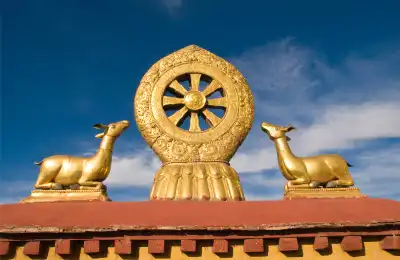
The Dharma Wheel is often described as the main symbol for Buddhism, representing the teachings of the Buddha and the path to enlightenment.
The dharma wheel’s meaning is rooted in motion and progress. The wheel symbolises the Buddha “turning the wheel of Dharma” when he first shared his teachings. Most wheels have eight spokes, representing the Noble Eightfold Path, which guides ethical behaviour, mental discipline, and wisdom.
As a sacred religious symbol, the Dharma Wheel reminds you that understanding and growth come through practice and reflection.
2. Buddha Figures
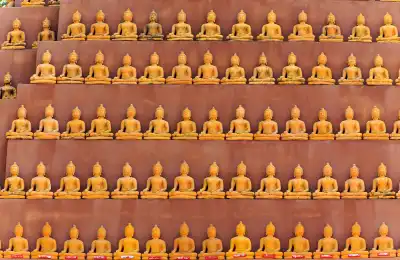
Buddha figures are among the most recognisable Buddha symbols worldwide, with their meaning varying depending on posture, hand gestures, and expression. Sitting Buddhas often symbolise meditation and inner calm, while standing figures represent compassion in action. Reclining Buddhas reflect peace and the final release from suffering.
The symbolism of Buddha statues is not about worship. Instead, Buddha symbolism acts as a reminder of human potential for wisdom, kindness, and awareness. When you see a Buddha, it encourages reflection on how those qualities can be cultivated in everyday life.
There are many different types of Buddhas across Buddhist traditions, which can raise questions about why they appear so varied. These different forms are not separate gods but symbolic expressions of enlightened qualities.
For example, Amitabha Buddha symbolises infinite compassion, while Medicine Buddha represents healing and balance. Laughing Buddha figures, often associated with happiness and abundance, are actually based on a Chinese monk rather than the historical Buddha, which explains their joyful appearance.
3. Avalokiteshvara
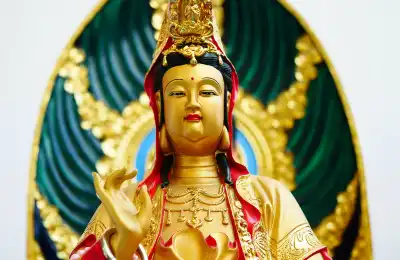
Avalokiteshvara is one of the most beloved figures in Buddhism, often referred to as the Bodhisattva of Compassion. You may have seen images of the thousand-armed god, which symbolises the ability to help countless beings at once.
Each arm represents compassion in action, while the many eyes often shown on the hands reflect awareness of suffering. Avalokiteshvara appears in different forms across cultures, including as Guanyin in China.
This figure reinforces one of Buddhism’s core values: deep compassion balanced with wisdom. It’s a powerful reminder that kindness is an active practice.
4. The Vajra

The vajra symbol is one of the most striking symbols of Buddhism. Often described as a ritual object, vajra symbolism represents indestructibility and spiritual power, reminding you that wisdom can be firm yet compassionate, strong without aggression.
The vajra combines the qualities of a thunderbolt and a diamond. This reflects the ability to cut through ignorance while remaining unbreakable. In Buddhist teachings, true strength comes from clarity and insight, not force.
5. The Lotus Flower
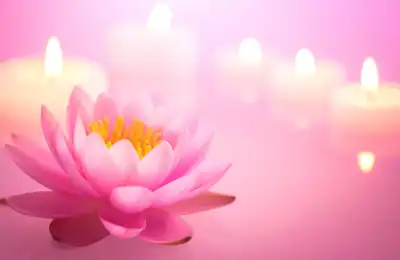
The lotus flower is one of the most widely recognised Buddhist symbols, representing purity, spiritual awakening, and resilience.
The lotus grows in muddy water but rises clean and untouched above the surface. This mirrors the Buddhist idea that enlightenment is possible even in difficult circumstances.
Different lotus colours carry slightly different meanings, from compassion to wisdom. As a Buddhist symbol for peace, the lotus encourages patience and trust in personal growth.
6. Mandalas
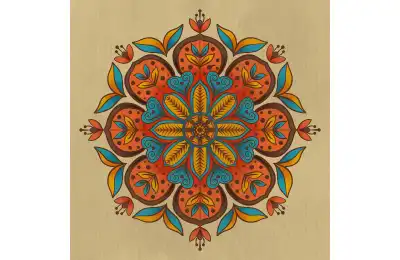
A mandala is a geometric design used in meditation and ritual practice. Its intricate patterns symbolise the universe and the inner world of the mind.
Creating or focusing on a mandala supports concentration and self-awareness. Mandalas are often temporary, emphasising impermanence, which is a central Buddhist teaching.
Rather than being decorative alone, mandalas invite reflection and calm, making them a meaningful spiritual tool.
7. Stupas

Stupas are dome-shaped monuments found throughout Buddhist countries. Buddhist traditions see these structures as representations of the Buddha’s mind and teachings.
Their meaning goes beyond architecture: each part symbolises elements of the path to enlightenment, including wisdom, compassion, and ethical discipline. Walking around a stupa mindfully is considered a form of meditation.
These structures act as physical reminders of spiritual principles rather than places of worship in the traditional sense.
8. Buddha’s Footprint
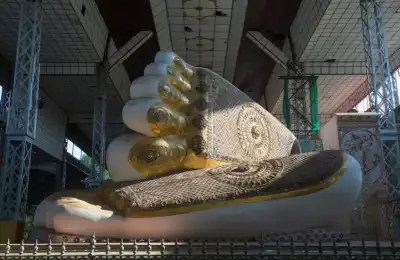
The Buddha’s footprint is one of the earliest symbols of Buddhism and continues to hold deep meaning. Rather than depicting the Buddha directly, this powerful Buddhist sign symbolises his presence through absence.
Buddha’s footprint designs often include symbols such as the Dharma Wheel or lotus, reinforcing key teachings. This image highlights humility and the idea that enlightenment does not rely on physical form.
9. Om Mantra
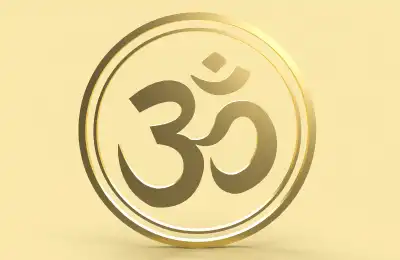
The Om mantra symbol appears in both Hinduism and Buddhism, representing the sound of the universe. While often associated with chanting, Om also symbolises unity and balance.
As a peace symbol and meditation aid, Om encourages grounding and awareness. It’s less about religion and more about connection with breath and sound.
10. The Three Jewels of Buddhism
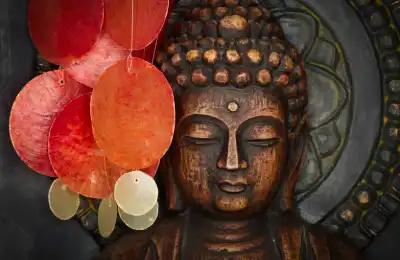
The three jewels of Buddhism form the foundation of Buddhist practice. They consist of the Buddha, the Dharma (teachings), and the Sangha (community).
These jewels are guiding principles that represent wisdom, understanding, and support. Taking refuge in the three jewels means committing to learning and ethical living rather than blind faith. They offer a simple framework for spiritual growth that remains relevant today.
11. The Hamsa Hand and Eye Symbols
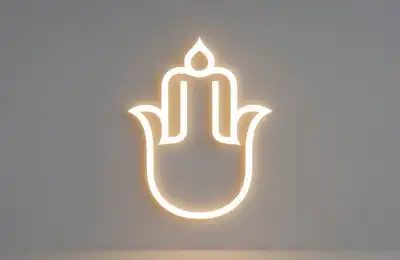
The hamsa hand, also known as the hand of Fatima, appears across several spiritual traditions. While not originally Buddhist, it’s sometimes associated with protection and mindfulness.
The eye in hand symbol represents awareness and compassion combined, and in Buddhist contexts, it aligns with the idea of seeing suffering clearly and responding with kindness.
Symbols of Peace, Happiness, and Good Fortune
Certain Buddhist symbols are associated with positive qualities.
Smiling Buddha figures are often linked to happiness and abundance, though rubbing a Buddha’s belly for good luck is a cultural practice rather than a Buddhist teaching.
Animals such as elephants and lions symbolise strength and wisdom, while birds like the garuda are considered sacred in some traditions.
Love, Beauty, and Sacred Animals in Buddhism
Compassion, rather than romance, is the central theme of Buddhism. Avalokiteshvara embodies this loving-kindness, while lotus imagery reflects inner beauty and growth.
Beauty in Buddhism focuses on balance and harmony. Sacred animals, such as deer and birds, appear in teachings as metaphors for gentleness and freedom, reinforcing ethical living.
Frequently Asked Questions
What is the most powerful symbol in Buddhism?
The Dharma Wheel is often considered the most powerful symbol of Buddhism. It represents the Buddha’s teachings and the Noble Eightfold Path, which guides ethical living, mental clarity, and spiritual understanding.
What is the symbol of good luck in Buddhism?
Certain Buddhist symbols are culturally associated with positive fortune. Smiling Buddha figures are commonly linked with happiness and abundance, while elephants symbolise wisdom, strength, and protection in many Buddhist traditions.
What is the lucky number in Buddhism?
The number eight is often viewed as a lucky number in Buddhism because it represents the Noble Eightfold Path. It symbolises balance, ethical conduct, and the journey towards enlightenment.
What is the Buddhist symbol for happiness?
Happiness in Buddhism is usually symbolised through inner peace and contentment rather than external symbols. Smiling Buddha figures are widely associated with joy, while the lotus flower represents peace that arises through personal growth and understanding.
Do you rub a Buddha’s belly for good luck?
Rubbing a Buddha’s belly for good luck is a cultural tradition linked to Laughing Buddha figures, not a Buddhist teaching. The practice originates from folklore and should not be confused with traditional Buddhist symbolism or practice.
What is the lucky animal in Buddhism?
Animals such as elephants, lions, and deer are commonly associated with Buddhist symbolism. Elephants represent wisdom and mental strength, while deer symbolise gentleness and harmony, reflecting the Buddha’s first teachings in the Deer Park.
What is the Buddhist symbol for beauty?
Beauty in Buddhism is symbolic rather than physical. The lotus flower is often associated with inner beauty, purity, and spiritual growth, showing how clarity and wisdom can emerge from challenging circumstances.
Is it okay to give a smiling Buddha as a gift?
Giving a smiling Buddha as a gift is generally considered acceptable, particularly when done respectfully. These figures are commonly associated with happiness and good intentions, rather than religious worship.
What symbolises love in Buddhism?
Love in Buddhism is expressed through compassion and loving-kindness. Avalokiteshvara, the Bodhisattva of Compassion, is one of the strongest representations of unconditional care and empathy for all beings.
What is the sacred bird in Buddhism?
The garuda is considered a sacred bird in some Buddhist traditions. It symbolises strength, freedom, and protection, and often appears in Buddhist art and mythology across Asia.
Recommended for you!
Best Sellers






Study Buddhism for £29
If you would like to explore Buddhist symbols in greater depth, our Buddhism Diploma Course provides a structured and accessible way to learn. The course is suitable for beginners and those with existing knowledge, covering teachings, symbolism, meditation, and philosophy. Enrol today and access the course for a discounted price of £29!