If you're wondering how to become a meditation teacher in the UK, you're in the right place. Interest in meditation instruction has grown significantly in recent years, driven by rising demand for mental wellbeing support in schools, workplaces, and wellness settings. This guide covers everything you need to know, from the qualifications and training options available to what you can realistically earn and how to find your first clients.
What's in this Guide?
Whether you're completely new to meditation or already practising regularly, this guide walks you through every stage of the journey, from choosing the right course to setting up a business and pricing your sessions. We've also answered the most common questions people have before they take the leap.
Jump to:
- Do You Need Qualifications to Teach Meditation in the UK?
- What Training Options Are Available?
- How Long Does It Take to Become a Meditation Teacher?
- How Much Does Meditation Teacher Training Cost?
- Meditation Teacher Salary in the UK
- How to Find Clients and Build Your Practice
- Legal and Practical Considerations
- Is a Career in Meditation Teaching Right for You?
- FAQs
- Study the Meditation Teacher Diploma Course for just £29
Do You Need Qualifications to Teach Meditation in the UK?

There's no single legally required licence to teach meditation in the UK, which can make the landscape feel a little confusing at first. Unlike professions such as nursing or teaching in schools, meditation instruction isn't regulated by a government body. That said, holding a recognised qualification matters, both for your own confidence and for the trust of potential clients and employers.
Most reputable employers, yoga studios, corporate wellness providers, and retreat centres will ask to see evidence of your training. Qualifications for meditation teachers in the UK typically include:
- A Meditation Teacher Diploma or certificate from an accredited provider
- Continued professional development (CPD) hours
- Optional specialist training (e.g. mindfulness-based cognitive therapy, breathwork, or stress reduction)
Accredited meditation teacher training, particularly from providers recognised by bodies like the Complementary Medical Association (CMA) or the International Practitioners of Holistic Medicine (IPHM), carries the most weight. These credentials show clients and employers that your training meets a professional standard.
What Does "Accredited" Actually Mean?
In the UK wellness industry, "accredited" usually means a course has been reviewed and approved by a professional membership body. It doesn't mean the government has signed off on it, but it does mean you've trained to a recognised benchmark. When you're researching meditation teacher courses, look for this accreditation explicitly, as it affects your eligibility to join professional associations and, in some cases, your ability to get public liability insurance.
What Training Options Are Available?
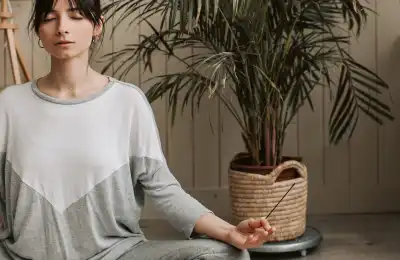
Online Meditation Teacher Training
Online meditation teacher training has become increasingly popular, and for good reason. It's flexible, often self-paced, and far more affordable than residential programmes. Accredited courses like the Meditation Teacher Diploma Course from Centre of Excellence are designed to be completed at your own pace, making them ideal if you're fitting study around work or family commitments.
A good online course will cover:
- The history and philosophy of meditation
- Different meditation styles and techniques (breath-focused, body scan, visualisation, loving-kindness, and more)
- How to structure and lead guided meditation sessions
- Teaching methods for groups and individuals
- Adapting meditation for specific needs (anxiety, stress, sleep, chronic pain)
- The basics of building a meditation practice as a business
Mindfulness Meditation Teacher Training
If you want to specialise in mindfulness, it's worth exploring a dedicated Mindfulness Course alongside your core teacher training. Mindfulness-based approaches are particularly in demand in the NHS, schools, and corporate settings, so this specialism can open doors that general meditation teaching might not.
Breathwork is another area worth considering. Complementary training in breathwork sits naturally alongside meditation and is increasingly sought after in the UK wellness industry.
In-Person and Intensive Courses
Some people prefer the depth of an in-person or residential training, and there are short, intensive meditation teacher courses in the UK that offer this. These tend to be more expensive and less flexible, but they can build community and give you supervised teaching practice in a live setting. Many teachers choose to complete an online foundation course first, then attend an in-person intensive to refine their skills.
How Long Does It Take to Become a Meditation Teacher?
This depends on the course you choose and how much time you can dedicate each week. A self-paced online meditation teacher diploma can typically be completed in a few months if you study consistently, though some students take six months to a year. In-person intensives can compress the same content into a matter of weeks.
There's no set minimum hours requirement in the UK (unlike yoga teacher training, which often requires 200 hours), so the timeline is largely yours to define. What matters most is that you finish training feeling genuinely prepared to lead others, not just that you've completed a checklist.
How Much Does Meditation Teacher Training Cost?
The cost of becoming a meditation teacher in the UK varies widely depending on the format:
- Online diploma courses typically range from £29 to £500
- In-person intensive programmes can cost anywhere from £500 to £2,000+
- Specialist certifications (e.g. MBSR, MBCT) often sit at the higher end, sometimes £1,000 to £3,000
Online training is by far the most accessible entry point, and many accredited courses are available at a fraction of the cost of residential programmes. If budget is a consideration, starting with an online course and building from there is a practical and widely respected path.
Meditation Teacher Salary in the UK
A meditation teacher’s salary varies enormously depending on how you work, where you're based, and how established you are.
Typical Earnings
- Group classes (studio, gym, community centre): £20 to £60 per class, depending on location and class size
- Private one-to-one sessions: £40 to £100+ per hour
- Corporate mindfulness programmes: £200 to £800+ per day
- Online courses and digital products: variable, with some teachers earning significant passive income
- Retreats: weekend retreats can bring in £500 to £2,000+ depending on capacity and pricing
The average salary for a meditation teacher in the UK who works full-time across multiple income streams tends to sit somewhere between £20,000 and £35,000, though experienced practitioners in corporate or clinical settings can earn considerably more.
Can You Make a Living Teaching Meditation?
You can make a living teaching meditation, but it usually takes time and a diversified approach. Most successful meditation teachers combine several income streams: regular classes, private clients, workshops, and possibly online content or teacher training. Those who build a reputation in corporate wellness, where mindfulness and stress reduction programmes are increasingly common, tend to earn more reliably than those working solely in community settings.
Working as a self-employed meditation teacher gives you flexibility, but it also means you're responsible for your own income consistency.
How to Find Clients and Build Your Practice
Getting Started
When you're newly qualified, the temptation is to wait until you feel completely ready before offering sessions. Most experienced teachers will tell you the best way to build confidence is simply to start teaching. Consider:
- Offering free or low-cost taster sessions to friends, family, or local community groups.
- Volunteering at a yoga studio, wellness centre, or charity in exchange for the chance to teach.
- Running small group sessions via platforms like Zoom to build an online following.
Building an Online Presence
In the UK, most clients now find their teachers online before booking. A simple website, active social media, and a few positive testimonials can go a long way in the early stages. It's also worth listing yourself on wellness directories like Bark.com or Treatwell, which are popular across the UK.
How Much to Charge
Pricing can feel awkward, especially early on. As a rough guide for the UK market:
- Drop-in group class: £10 to £20 per person
- Private session: £50 to £80 per hour
- Corporate half-day session: £300 to £600
- Online course: £50 to £200 depending on depth
As you become more established, you can raise your rates. Don't undercharge indefinitely, as it undermines the perceived value of meditation teaching as a profession.
Legal and Practical Considerations
Do You Need Insurance to Teach Meditation?
Yes. Public liability insurance is essential if you're teaching in person, and professional indemnity insurance is strongly recommended for private clients. Most reputable insurers offer combined policies for wellness practitioners in the UK at around £100 to £150 per year. Some professional associations include insurance as part of membership.
DBS Checks
If you plan to teach meditation to children, young people, or vulnerable adults, you'll need a Disclosure and Barring Service (DBS) check. It's a straightforward process and can be applied for through the government website or a registered umbrella body.
Safeguarding Training
Alongside a DBS check, many UK settings, particularly schools and charities, will expect you to have completed safeguarding training before working with young people or vulnerable groups. Basic safeguarding courses are available online and are usually completed in a few hours.
Setting Up as Self-Employed
Most meditation teachers in the UK operate as sole traders. You'll need to register with HMRC and submit a Self Assessment tax return each year. Keeping clear records of your income and expenses from the start makes this much easier, and HMRC's guidance for self-employed people is a useful first port of call if you're unsure.
Is a Career in Meditation Teaching Right for You?
Becoming a meditation teacher is rarely just a career move. For most people, it's a deeply personal decision rooted in their own experience of how meditation has changed their life, and that's actually a strength. The most effective meditation teachers aren't just technically skilled; they're genuinely connected to the practice.
That said, it's worth going in with realistic expectations. Building a full-time income takes time. In the early months, you might teach small groups, juggle other work, and invest energy into marketing and community building. Many teachers find the transition gradual rather than immediate.
If you're also interested in teaching yoga or want to explore adjacent disciplines, you might find our guides on how to become a yoga teacher in the UK and the best online courses for meditation and mindfulness helpful for mapping out your path.
Are Meditation Teachers in Demand?
Demand for qualified meditation teachers in the UK has grown steadily alongside wider public awareness of mental health. Workplaces, schools, GP surgeries, and private wellness providers are all increasingly incorporating meditation and mindfulness into their services. The field is competitive but far from saturated, particularly outside of London and major cities.
Recommended for you!
Best Sellers






FAQs
What qualifications do you need to teach meditation?
There are no legally required qualifications in the UK, but most clients and employers expect a recognised diploma or certificate from an accredited provider. Membership of a professional body such as the CMA or IPHM adds further credibility.
Is it hard to become a meditation teacher?
The training itself isn't academically demanding, but developing genuine skill as a teacher takes time and practice. The main challenges are building a client base and creating a sustainable income, rather than completing the course itself.
Do you need a degree to be a meditation teacher?
No. A dedicated meditation teacher diploma or certification is the standard route into the profession. A degree in psychology, counselling, or a related field can be complementary, but it's not a prerequisite.
How do I get clients as a new meditation teacher in the UK?
Start locally. Community centres, yoga studios, and wellbeing events are good places to begin. Build an online presence, collect testimonials, and consider wellness directories. Corporate outreach can be fruitful once you've got some experience behind you.
Study the Meditation Teacher Diploma Course for £29
If you're ready to take the next step, the Meditation Teacher Diploma Course from Centre of Excellence gives you everything you need to start teaching with confidence. It covers the theory and philosophy of meditation, practical techniques, session planning, and professional guidance, all at your own pace and from home. You can enrol today for just £29.
To deepen your own practice before you begin teaching, you might also find these guides useful: