Becoming a yoga teacher in the UK is a genuinely achievable goal, whether you're looking for a complete career change or hoping to teach alongside your current work. The path isn't always obvious, though, as the industry isn't regulated in the same way as physiotherapy or personal training, so knowing where to start, what qualifications actually matter, and how to set yourself up professionally takes a little research.
What's in this Guide?
Whether you're wondering whether you need a qualification to teach yoga or you're ready to choose a course, this guide covers everything you need to know about how to become a yoga instructor in the UK.
Jump to:
- The Role of a Yoga Teacher
- Skills of a Yoga Teacher
- Do You Need a Qualification to Teach Yoga in the UK?
- What is a 200-Hour Yoga Teacher Training?
- How Long Does It Take to Become a Yoga Teacher in the UK?
- How Much Does Yoga Teacher Training Cost in the UK?
- Can You Study Online?
- Do You Need Insurance to Teach Yoga in the UK?
- How Much Do Yoga Teachers Earn in the UK?
- How to Get Clients as a Yoga Teacher
- Is Yoga Teaching a Good Career in the UK?
- FAQs: Becoming a Yoga Teacher in the UK
- Become a Certified Yoga Teacher for £29
The Role of a Yoga Teacher
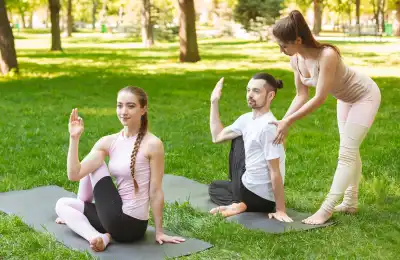
A yoga teacher creates supportive spaces where people can explore movement, breathwork, and mindfulness. The role involves more than demonstrating postures. It requires an understanding of how bodies differ and how to maintain a calm and grounded atmosphere in a class environment.
Teachers help their students build confidence and reconnect with their inner world. This includes introducing breathwork, improving mobility, guiding simple meditations, and encouraging students to honour their own pace. A teacher’s presence can help someone feel safe enough to challenge themselves and soften into stillness.
Skills of a Yoga Teacher
Teaching yoga draws on a blend of interpersonal and reflective skills. Some of the most important include:
- Clear communication: Students rely on a teacher’s guidance to understand how to move safely. Clear, steady instructions help students follow sequences with confidence.
- Empathy and patience: A good yoga teacher recognises that every student arrives with different experiences and abilities. Compassion helps create an inclusive environment.
- Awareness of alignment and anatomy: Recognising how bodies function helps teachers support students through mindful movement. This includes understanding modifications, contraindications, and safe progression.
- Confidence and presence: Holding the energy of a class requires grounded confidence, a calm tone, and the ability to respond to the needs of the group.
- Organisation and professionalism: Teachers often manage schedules, bookings, music, equipment, planning, class themes, and business admin.
Do You Need a Qualification to Teach Yoga in the UK?
Strictly speaking, yoga teaching isn't legally regulated in the UK, so there's no law requiring you to hold a specific qualification before you start teaching. That said, this doesn't mean qualifications don't matter. Most yoga studios, leisure centres, and gyms require teachers to hold a recognised certification before they'll put you on their timetable. Insurance providers also typically require evidence of training before they'll cover you.
So while you don't need a qualification to call yourself a yoga teacher, you'll find it very difficult to work professionally, get insured, or build credibility without one.
The generally accepted minimum standard in the UK is completing a 200-hour yoga teacher training programme from a recognised provider.
What is a 200-Hour Yoga Teacher Training?
A 200-hour yoga teacher training (often shortened to 200hr YTT) is the entry-level qualification for professional yoga teachers worldwide, and it's the standard most UK studios look for when hiring. The 200 hours typically covers:
- Yoga philosophy and history
- Anatomy and physiology relevant to yoga practice
- Asana (posture) technique and adjustments
- Pranayama (breathwork) and meditation
- Teaching methodology and sequencing
- Business basics for new teachers
The 200 hours doesn't have to be delivered in one continuous block. Many programmes in the UK are structured as weekend intensives spread over several months, making them accessible for people who're still in full-time work.
After completing a 200-hour training, many teachers go on to pursue a 300-hour advanced programme. This combines with the initial certification to create a 500-hour qualification, which is considered the gold standard in the profession.
If you're looking for a flexible, affordable way to begin, Centre of Excellence's 200-Hour Yoga Teacher Training Diploma Course covers yoga philosophy, anatomy, teaching methodology, and the business basics you'll need to get started, all online and at your own pace. It's accredited by the CPD, the Complementary Medical Association, and the Quality Licence Scheme, so the certificate you earn carries genuine professional weight when you're ready to start teaching
How Long Does It Take to Become a Yoga Teacher in the UK?

This depends entirely on the route you choose:
- Online 200-hour diploma course: Can be completed in a few months at your own pace, making it one of the most flexible options for people already in work.
- 200-hour intensive (retreat format): Typically delivered over 3–4 weeks of full-time immersion. Faster, but requires taking time away from other commitments.
- 200-hour weekend programme: Usually delivered over 6–12 months of weekend modules. Popular with working professionals.
Most people who go through a standard 200-hour programme in a part-time format are ready to start teaching within 6–12 months of beginning their training.
How Much Does Yoga Teacher Training Cost in the UK?
Yoga teacher training in the UK varies widely in price depending on the format, provider, and whether accommodation is included:
- Online 200-hour diploma: From around £29 (at Centre of Excellence) up to several hundred pounds, depending on the provider.
- In-person 200-hour weekend programme: Typically £1,500–£3,500 in the UK.
- Residential intensive (UK or abroad): £2,000–£5,000+, often including accommodation and food.
Online training is by far the most affordable entry point. It's a sensible option if you want to gain the foundational knowledge and certification before committing to more expensive in-person training.
Can You Study Online?
Studying online is increasingly the route people take, particularly in the early stages. An accredited online yoga teacher training course lets you study in your own time, progress at your own pace, and earn a recognised certificate without needing to take significant time off work or relocate.
An online course works particularly well for:
- People who already have a strong personal practice and want to formalise their knowledge.
- Those who work full-time and can't commit to fixed weekend programmes.
- Anyone who wants to explore teaching before investing in more expensive in-person training.
Do You Need Insurance to Teach Yoga in the UK?
Yes, you'll need public liability insurance before you start teaching yoga professionally in the UK, and most providers will also recommend professional indemnity insurance. Without it, you're not covered if a student is injured during a class you're leading.
Several insurance providers specifically offer yoga teacher insurance in the UK, including Balens, Protectivity, and the Yoga Alliance Professionals' scheme. Annual premiums are typically modest, often £100–£200 per year depending on your level of cover and how many classes you teach.
Studios and venues will usually ask to see evidence of insurance before they book you. Getting this in place before your first paid class isn't optional; it's essential.
A DBS check isn't legally required to teach adult yoga classes, but if you're planning to teach children's yoga or work in schools, you'll need an Enhanced DBS certificate.
How Much Do Yoga Teachers Earn in the UK?

How much you earn as a yoga teacher depends on whether you're employed or self-employed, how many classes you teach, and where you're based. Here's a realistic picture:
- Supply/freelance class rate: Typically £20–£60 per class in the UK, depending on location and experience. London rates tend to be higher.
- Private one-to-one sessions: £40–£100 per hour for private clients.
- Studio employed teacher: Salaried roles do exist, particularly in larger studios and leisure centres. Full-time equivalent salaries generally sit between £18,000 and £28,000.
- Online teaching: Increasingly popular since 2020. Zoom classes, on-demand video subscriptions, and online courses can add a meaningful income stream.
Most yoga teachers in the UK are self-employed, combining multiple income streams: studio classes, private clients, corporate wellness sessions, retreats, and online content. The average earnings for a yoga instructor in the UK working part-time sit roughly between £15,000 and £22,000 per year; those who build a full practice can earn significantly more.
Are Yoga Instructors in High Demand?
Demand for yoga has continued to grow in the UK, particularly since the pandemic accelerated interest in wellbeing and mental health. Corporate wellness is a particularly strong growth area, with many businesses now bringing in yoga teachers to run lunchtime or after-work sessions for employees. This is often better-paid than studio work and worth exploring once you've built some experience.
How to Get Clients as a Yoga Teacher
Getting your first clients is often the hardest part of becoming a yoga teacher in the UK. A few approaches that work well:
- Start where you're known. Offer to teach at your existing yoga studio as a cover teacher, or propose a community class in a local venue like a village hall, library, or community centre.
- Build an online presence. A simple website and active Instagram or Facebook page go a long way. People search for yoga teachers locally, so make sure you're easy to find.
- Set up a Google Business Profile. If you're based in a specific area, a Google Business Profile helps local searches find you and allows you to collect reviews.
- Register with HMRC. Once you're earning from teaching, you'll need to register as self-employed and file a self-assessment tax return. Do this before your first paid class to avoid any complications later.
- Word of mouth. It sounds obvious, but a lot of yoga teachers build their entire client base through referrals. Teach well, and students will bring their friends.
Is Yoga Teaching a Good Career in the UK?
Teaching yoga is a great career, but it's worth being realistic. Very few yoga teachers in the UK earn a full-time living from studio classes alone. The most financially successful teachers tend to diversify, combining studio work, private clients, corporate wellness, online classes, workshops, and retreats.
The work is genuinely rewarding. You're helping people manage stress, improve their physical health, and build a consistent practice, and the feedback from students is often deeply meaningful. But like most wellness careers, it requires patience in the early stages as you build a reputation and a client base.
If you're considering yoga teaching as a career change rather than a side income, it's sensible to start part-time while you're still in your current role, build your practice and client base, and make the transition when the income is sufficient to support the move.
The benefits of yoga for mental health are well documented, and many students come to classes specifically for that reason, which means as a teacher, you're often having a more meaningful impact than you might realise.
For more on building a wellbeing career, you might also find our guide on how to become a meditation teacher in the UK useful, as many yoga teachers expand into meditation instruction over time.
FAQs: Becoming a Yoga Teacher in the UK
Can I teach yoga without a degree?
There's no requirement for a university degree to become a yoga teacher in the UK. A 200-hour yoga teacher training from a recognised provider is the standard entry-level qualification, and it can be completed online, in an intensive format, or over a series of weekend modules.
Is there a minimum age to become a yoga teacher in the UK?
Most teacher training programmes require participants to be at least 18. Some programmes accept younger students with parental consent, but this varies by provider.
Do I need experience as a yoga student before training as a teacher?
Most training programmes expect you to have an established personal practice, typically at least one to two years of regular yoga. You don't need to be advanced, but having a solid foundation makes the training significantly more productive.
Can I teach yoga online after qualifying?
Yes. Many UK yoga teachers run classes via Zoom or create on-demand content on platforms like YouTube or subscription services. Online teaching has grown substantially since 2020 and can be a valuable additional income stream.
What type of yoga should I train in?
This depends on your personal practice and what you enjoy teaching. Hatha, Vinyasa, Yin, and Restorative are all popular styles with good demand in the UK. Most 200-hour programmes are style-neutral or Hatha-based, and you can specialise later. If you want a sense of what breathwork practice looks like before you commit, our guide to fire breathing in yoga is a good starting point, and we also have a broader introduction to breathwork if you're new to the concept entirely.
Do I need a first aid certificate to teach yoga?
A first aid certificate is not legally required, but many studios, schools, and insurance providers recommend or require it. A basic first aid certificate is a small investment and looks professional to prospective employers and clients.
What's the difference between a yoga teacher and a yoga therapist?
A yoga teacher leads group or individual classes and guides students through postures, breathing, and relaxation. A yoga therapist works one-to-one with clients to address specific health conditions using therapeutic yoga techniques. Yoga therapy is a separate, longer qualification.
Recommended for you!
Best Sellers






Become a Certified Yoga Teacher for £29
Centre of Excellence's 200-Hour Yoga Teacher Training Diploma Course is a comprehensive, self-paced online programme covering yoga philosophy, anatomy, teaching methodology, and business foundations. It's designed for aspiring teachers who want to build a strong knowledge base at their own pace, and it's available for just £29.