The stories of the Tuatha Dé Danann form some of the most fascinating and enduring tales in Irish mythology. This blog post explores who the Tuatha Dé Danann were, the myths that shaped their legend, their powers and treasures, and the lasting legacy they hold in both folklore and modern culture.
Jump to:
- Who Were the Tuatha Dé Danann in Celtic Mythology?
- Myths of the Tuatha Dé Danann
- The 4 Treasures of the Tuatha Dé Danann
- Powers of the Tuatha Dé Danann
- Appearance and Symbols of the Tuatha Dé Danann
- The Legacy of the Tuatha Dé Danann
- Tuatha Dé Danann in Modern Times
- Frequently Asked Questions
- Study Our Irish Mythology Diploma for £29
Who Were the Tuatha Dé Danann in Celtic Mythology?
In ancient Irish mythology, the Tuatha Dé Danann were described as a supernatural race of divine beings who ruled Ireland before the arrival of humankind. Their name translates to “the people of the goddess Danu”, with Tuatha meaning “tribe” or “people,” Dé meaning “of the goddess,” and Danann referring to the mother goddess Danu. She was believed to embody wisdom and abundance, symbolising the creative life force of nature itself.
The Tuatha Dé Danann pronunciation is Too-ah-hah Day Dah-nan, a phrase that captures the lyrical rhythm of the Irish language. Their stories appear throughout the Lebor Gabála Érenn (“The Book of Invasions”), a collection of medieval texts describing how Ireland was settled by different groups, both mortal and divine.
The Tuatha Dé Danann were said to have arrived in Ireland shrouded in a magical mist, coming from four mystical cities: Falias, Gorias, Murias, and Findias. From each city, they brought sacred knowledge and powerful artefacts that became known as the four treasures of the Tuatha Dé Danann.
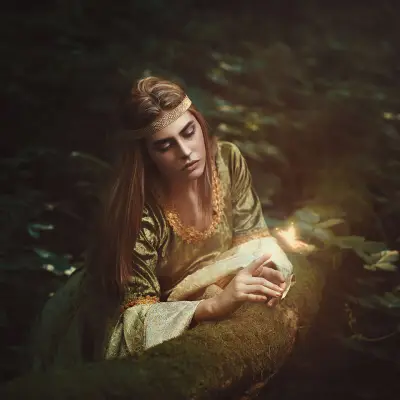
Though often considered gods and goddesses, the Tuatha Dé Danann were later reimagined as the Aos Sí, or fairy folk, after retreating to the Otherworld. In essence, they represent the bridge between gods and fairies: beings of immense power, deeply connected to the natural world.
Recommended for you!
Best Sellers
Myths of the Tuatha Dé Danann
The myths of the Tuatha Dé Danann are woven into Ireland’s oldest legends and continue to shape how the Celtic world is imagined today.
The Arrival in Ireland
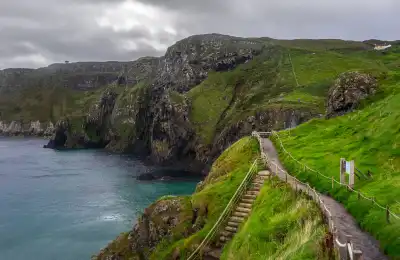
According to myth, the Tuatha Dé Danann arrived in Ireland from the northern isles, bringing with them divine wisdom and magical treasures. They descended in a cloud of mist, landing on the mountains of Connacht. Their arrival marked the dawn of a golden age filled with enchantment and the perfect balance between nature and spirit.
The First Battle of Mag Tuired
When they arrived, Ireland was already inhabited by the Fir Bolg, a race of early settlers. To claim the land, the Tuatha Dé Danann fought the First Battle of Mag Tuired. They emerged victorious but not without loss. Their leader, King Nuada, lost his arm in battle. Nuada was forced to abdicate until the god of healing, Dian Cecht, and his children crafted him a new arm made of silver. When the arm was replaced with flesh and bone, Nuada reclaimed his throne.
The Second Battle of Mag Tuired
The Second Battle of Mag Tuired tells of the Tuatha Dé Danann’s fight against the Fomorians, a powerful race of giants representing chaos and destruction. The Tuatha Dé Danann were led by Lugh of the Long Arm, a young warrior skilled in every art and craft. Lugh fulfilled a prophecy by defeating his grandfather, Balor of the Evil Eye, a giant whose gaze could kill. The prophecy foretold that Balor would die at the hands of his own grandson.
The Reign of the Dagda and the Morrígan
Among the Tuatha Dé Danann, the Dagda stood as a father figure and king of abundance. He wielded a magical club capable of both killing and reviving life, and he owned a cauldron that never ran empty. His consort, the Morrígan, was a goddess of war and transformation who appeared as a crow on the battlefield. Together, they symbolised creation and destruction; the dual forces necessary for balance in the world.
The Retreat into the Otherworld
Eventually, the Tuatha Dé Danann were defeated by the Milesians, ancestors of the modern Irish people. Instead of disappearing, they withdrew into the Otherworld, a mystical realm hidden beneath the earth. From there, they became the Aos Sí, the fairy folk who guard sacred sites and natural landscapes. In this form, the Tuatha Dé Danann’s influence endured through folklore, inspiring belief in the fairies and nature spirits that still form part of Irish culture today.
The 4 Treasures of the Tuatha Dé Danann
The Tuatha Dé Danann were known for their four divine treasures. These treasures were said to have come from the four cities of their origin, each ruled by a wise druid who taught the Tuatha Dé Danann great knowledge.
- The Stone of Fal (Lia Fáil): Found in Tara, this stone was said to cry out when touched by the rightful king of Ireland. It symbolised divine sovereignty and destiny.
- The Spear of Lugh: A weapon that guaranteed victory in battle and could not be defeated. It embodied strength and the fire of divine energy.
- The Sword of Nuada: Sometimes called the “Sword of Light,” this was the third treasure of the Tuatha Dé Danann, which ensured that no enemy could escape once it was drawn. It represented truth and justice.
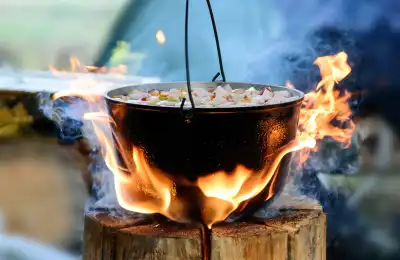
- The Cauldron of the Dagda: A vessel that provided endless nourishment and abundance. It symbolised prosperity and the sustaining power of nature.
Powers of the Tuatha Dé Danann
The powers of the Tuatha Dé Danann extended far beyond those of mortals. They possessed mastery over the elements, could shape-shift, heal the wounded, control the weather, and foresee the future. Their abilities linked them closely to the natural forces of the world, reinforcing their role as divine guardians of balance and harmony.
Each member of the Tuatha Dé Danann was associated with specific gifts. Brigid, for example, was a goddess of poetry, healing and craftsmanship. Manannán mac Lir, the god of the sea, could control the mists and guide souls between worlds. Lugh symbolised versatility and excellence, often seen as a figure of inspiration for artists and leaders.
Appearance and Symbols of the Tuatha Dé Danann
The Tuatha Dé Danann were described as tall and beautiful, glowing with an otherworldly light. Their appearance reflected their divine nature and set them apart from ordinary humans. They were beings of ethereal grace, often associated with the shining aura of the Otherworld.
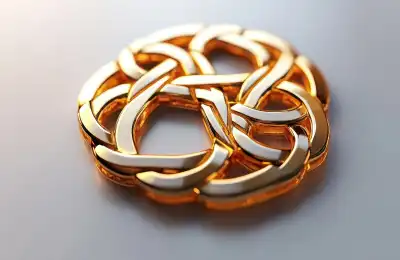
Although no single symbol of the Tuatha Dé Danann exists, several Celtic symbols are closely connected to their legacy. The Triskelion, a triple spiral design, represents balance and unity among the realms of land, sea and sky. The Celtic knot, with its endless loops, signifies eternity and interconnectedness. The spiral, one of the oldest Celtic motifs, symbolises growth and the journey between the physical and spiritual worlds.
The Legacy of the Tuatha Dé Danann
The Tuatha Dé Danann’s influence extends far beyond ancient myth. They represent the golden age of Ireland’s divine history, embodying ideals of creativity and connection with the earth. Their stories reflect timeless human values: justice, wisdom, generosity, and respect for the natural world.
As the descendants of the goddess Danu, they are sometimes viewed as the ancestors of Ireland’s fairy folk. Many ancient mounds and hills are still referred to as the dwelling places of the Aos Sí, believed to be where the Tuatha Dé Danann retreated after their defeat.
Their myths have inspired literature, art and modern spirituality. They serve as reminders that myth and imagination are essential to understanding cultural identity and our relationship with nature.
Tuatha Dé Danann in Modern Times
In modern Irish folklore, the Tuatha Dé Danann are often seen as powerful spirits of the land. Some believe that they continue to influence the natural world, particularly in places considered sacred or “thin”: where the veil between this world and the Otherworld is at its thinnest.
The Tuatha Dé Danann descendants today are symbolic rather than physical. They live on through storytelling and cultural traditions. People still make offerings at holy wells and fairy trees, continuing ancient practices of respect for unseen forces.
Their stories also play a central role in the Celtic revival and neo-pagan movements, where the Tuatha Dé Danann are honoured as deities representing elemental power and balance. This enduring belief shows that, even after centuries, the Tuatha Dé Danann remain a living part of Ireland’s cultural imagination.
Recommended for you!
Best SellersFrequently Asked Questions
What language did the Tuatha Dé Danann speak?
The Tuatha Dé Danann were said to speak Old Irish, the sacred and poetic language of the gods in mythology. However, their speech was often described as musical, luminous or filled with power, suggesting that words themselves held magic. In Celtic mythology, spoken language carried deep energy, and the Tuatha Dé Danann’s voices were thought to shape or influence reality.
Did the Tuatha Dé Danann worship gods, or were they gods themselves?
The Tuatha Dé Danann are considered divine beings rather than worshippers. They represented different aspects of nature and life: wisdom, war, fertility, craftsmanship, and the elements. Some of them were later worshipped by humans as deities. For example, Brigid became a beloved goddess associated with poetry and healing, and The Dagda was honoured as a god of abundance and the earth.
Were the Tuatha Dé Danann immortal?
The Tuatha Dé Danann were considered immortal in the sense that they did not age or die naturally. However, they could be wounded and defeated. Their immortality was more spiritual than physical, tied to their connection with the Otherworld and their divine essence. Even after their retreat, their presence was believed to linger in nature, in the wind, the rivers, and the ancient mounds of Ireland.
Did the Tuatha Dé Danann have a specific religion or belief system?
The mythology surrounding the Tuatha Dé Danann reflects early Celtic spirituality, which celebrated the sacredness of nature and the cycles of life. Rather than structured worship, their belief system centred on honouring natural forces: the sun, moon, rivers, and seasons. Rituals were often performed outdoors, at sacred wells or standing stones, which were believed to connect the human and divine worlds.
Study Our Irish Mythology Diploma for £29
The Tuatha Dé Danann continue to enchant and inspire with their divine powers and timeless symbols. If you’re fascinated by these stories and want to explore them in more depth, you could study the Irish Mythology Diploma Course. You can enrol today for a discounted price of just £29 and begin your journey into the world of Irish legends and spirituality.