Known as the Good God, Dagda was a leader and protector of the Tuatha Dé Danann, the divine race who ruled Ireland before humankind. This guide explores who the Dagda was, his myths, powers, appearance, and symbols, and why his legacy continues to inspire spiritual and cultural traditions today.
Jump to:
Who Is Dagda in Celtic Mythology?
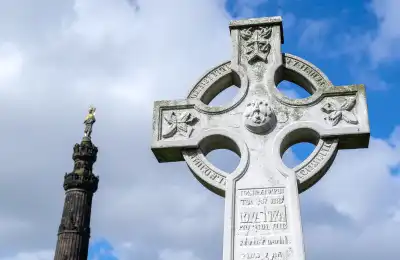
The Dagda, also called Eochaid Ollathair (meaning “Great Father”), was one of the most powerful and respected Celtic gods in mythology. His name translates to “the Good God,” referring to his excellence in every skill: magic, leadership, wisdom, and strength. He was the high king of the Tuatha Dé Danann (the supernatural beings associated with knowledge and prosperity), and was considered their protector and provider.
The Dagda embodied the forces of fertility, agriculture, life, and death. As a druid and father figure, he maintained harmony between nature and humanity and was seen as a god of the earth, deeply connected to the land. His domains stretched across every aspect of existence: life and renewal, war and peace, feasting and justice.
Through him, the Celts expressed their belief that strength and wisdom must work hand in hand to sustain life.
Recommended for you!
Best Sellers
Myths and Stories of Dagda
The myths surrounding Dagda reveal his complexity. Below are some of the most well-known stories that illustrate his powers and importance within Celtic tradition.
The Dagda and the Morrígan
One of the most powerful tales is that of the Dagda and the Morrígan, the goddess of war and sovereignty. On the eve of the Second Battle of Mag Tuired, the Dagda met the Morrígan at the River Unius, and the Morrígan granted victory to the Tuatha Dé Danann. Their relationship symbolises harmony between the natural and supernatural worlds. The Dagda brought fertility and abundance to the land, while the Morrígan guarded its cycles of life and decay. Together, they reflected the intertwined nature of power and wisdom in Celtic belief.
The Dagda’s Cauldron of Plenty

The Dagda owned a magical cauldron called Coire Anseasc, the Cauldron of Plenty. It was said that no one ever left it unsatisfied, no matter how many were fed. This cauldron represented nourishment and the endless generosity of the Dagda. It symbolised the abundance of the natural world and the prosperity that came from living in balance with it.
The Dagda’s Mighty Club
The Dagda wielded a massive club, so heavy that it required several men to carry it. One end of the club could kill with a single strike, while the other could restore life. This dual power over death and rebirth showed his mastery over life’s natural cycle. He did not rule through cruelty or fear but through an understanding of life’s balance.
The Dagda’s Harp and the Seasons
Another famous story tells of the Dagda’s magical harp, Uaithne. This harp was stolen by the Fomorians, enemies of the Tuatha Dé Danann. When the Dagda retrieved it, he played three melodies: one of laughter, one of sorrow, and one of sleep. Each tune affected everyone around him, causing joy, tears, or rest. This harp could control the changing of the seasons, marking the rhythm of life itself.
Dagda’s Powers
The Dagda’s powers were vast and essential to the Celtic worldview. He was not limited to one domain but ruled over many aspects of life and the cosmos. His abilities included:
- Mastery of Life and Death: Through his club, the Dagda could take or restore life, maintaining balance between existence and the afterlife.
- Control of Fertility and Harvest: As a god of the earth and agriculture, he ensured the land remained fruitful. His blessings were seen in bountiful harvests and fertile soil.
- Wisdom and Magic: A skilled druid, he possessed deep knowledge of nature, prophecy, and ritual. His decisions shaped the fate of gods and mortals alike.
- Music and Emotion: Through his harp, he controlled feelings and the passage of time, symbolising his dominion over both human experience and natural cycles.
- Protection and Leadership: As the father of the Tuatha Dé Danann, he led with compassion and fairness, embodying the ideal of a just and nurturing ruler.
Dagda’s Appearance and Symbols
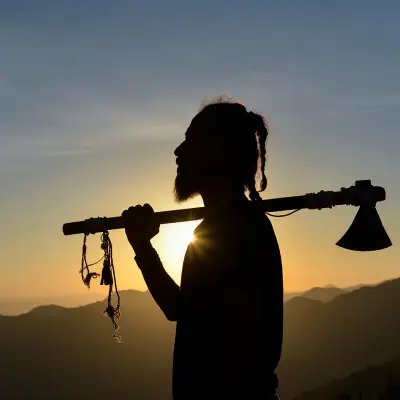
The Dagda was described as a large, bearded man, earthy and strong, wearing simple clothing that reflected his closeness to the land. His size and appetite were legendary, symbolising abundance and physical vitality. He was known for having a deep appreciation of life’s pleasures.
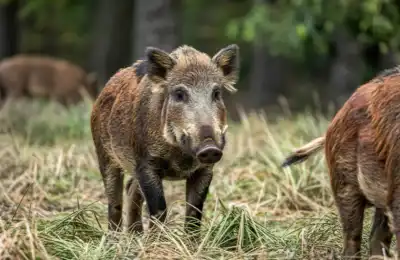
Animals connected with the Dagda included pigs, boars, and cattle, all linked to fertility and wealth. These creatures reflected his role as a provider who ensured plenty for his people.
Dagda’s Relationships and Family Tree
The Dagda’s most famous partnership was with the Morrígan, a union that represented fertility and balance. He was also connected with Boann, the goddess of the River Boyne, with whom he fathered Aengus Óg, the god of love and youth.
Other children attributed to him include Brigid, goddess of poetry and healing, and Midir, a god of the Otherworld. As a father figure, he represented both the literal and symbolic source of life and wisdom, guiding future generations of gods and mortals.
Dagda's Influence and Legacy
The Dagda’s influence extends across centuries, shaping Celtic spirituality as a whole. His stories taught the importance of fairness, respect for nature, and gratitude for abundance. In many ways, the Dagda stands as a moral compass, guiding people toward harmony between human life and the earth’s rhythms.
His myths continued to influence later folklore and Christian-era tales, evolving into figures of wise kings and saints who carried echoes of his power and kindness. Through them, the Dagda’s spirit remained alive in the cultural memory of Ireland.
Dagda in Modern Times
In modern Celtic spirituality and neo-pagan traditions, the Dagda is honoured as a symbol of divine masculinity and balance. Many view him as a nurturing father figure who teaches the value of generosity and wisdom. Rituals and celebrations inspired by the Dagda often focus on gratitude for harvests and connection with nature.
His lessons remain deeply relevant today: to lead with compassion, live sustainably, and celebrate the simple abundance of life. The Dagda continues to inspire art, literature, and spiritual practice, reminding people that power is most meaningful when guided by kindness and understanding.
Frequently Asked Questions About Dagda in Mythology
What festivals or rituals were associated with the Dagda?
Although no single festival was dedicated solely to the Dagda, he was strongly linked to celebrations of the harvest and seasonal change, particularly Samhain, the Celtic New Year. This festival marked the end of the harvest and the beginning of winter, symbolising the cycles of life and death that the Dagda governed. Offerings of food and drink were often made to honour deities like him, thanking them for abundance and seeking protection through the darker months.
Was the Dagda considered a sun god?
While not a sun god in the strict sense, the Dagda was closely associated with the solar cycle. His control over time and the seasons through his magical harp connected him to the rising and setting sun, as well as the natural rhythms of the year. His energy was life-giving and fertile, much like the sun itself, which sustained crops and life across the land.
Did the Dagda ever go to war?
The Dagda was both a peacemaker and a warrior when needed. He played a key role in the First and Second Battles of Mag Tuired, where the Tuatha Dé Danann fought to defend Ireland. Despite his good-natured reputation, he was capable of immense strength and strategy. His participation in these battles shows that true leadership requires both compassion and courage.
How was the Dagda connected to the Otherworld?
The Dagda was a bridge between the mortal world and the Otherworld, the Celtic realm of spirits and divine beings. As a druid and a god of wisdom, he had the power to move between these realms freely. His harp and cauldron symbolised the connection between the physical and spiritual planes, nourishing both body and soul.
Were there temples or places dedicated to the Dagda?
While the Celts did not build temples in the same way as later civilisations, the Dagda was associated with sacred landscapes, especially Brú na Bóinne (Newgrange). This site, with its alignment to the winter solstice sunrise, was considered a spiritual centre of renewal and rebirth. Rituals honouring the Dagda likely took place in nature, at rivers, mounds, and groves, reflecting his deep connection to the land.
Recommended for you!
Best SellersStudy Our Irish Mythology Diploma for £29
If the tales of the Dagda have sparked your interest in Celtic mythology, you can explore more of Ireland’s ancient legends through our Irish Mythology Diploma Course. Enrol now for just £29 and begin studying from home today.