There’s something timeless and enchanting about fairies. Whether you picture the mischievous sprites of Irish folklore, the elegant winged fae of children’s tales, or the mysterious spirits hidden deep in forests, fairies have fascinated people for centuries. You might be here because you’ve always felt a connection to the unseen or simply want to understand where the legends of these magical beings began.
Let’s explore the origins, meanings, and enduring magic of fairies in mythology, from the fairies of Ireland folklore to global traditions that still inspire storytellers today.
Jump to:
- What Are Fairies?
- The Origin of Fairies
- Fairies in Irish Folklore
- The Fairy Ring: Circle of Magic
- What Do Fairies Look Like According to Folklore?
- Different Types of Fairies
- Are Fairies Evil?
- Famous Fairies in Mythology
- Fairy Symbolism and Beliefs
- Irish Fairy Beliefs Today
- Do Fairies Really Exist?
- Discover the Fairies and Fairy Magick Diploma for £29
What Are Fairies?
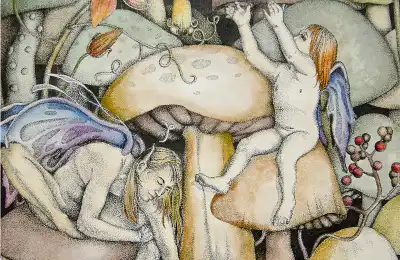
The simplest way to describe fairies is as supernatural beings from folklore. Often called the fairy folk or faerie, these creatures exist in the space between the human and spirit worlds. While their personalities and powers vary across myths, most stories describe them as guardians of nature, keepers of ancient magic, and spirits of the elements.
In faerie mythology, they’re not always small or delicate. Some appear human-sized, while others are invisible or can change form at will. The word fairy itself comes from the Old French faerie, meaning enchantment, which later became linked to the magical beings who could bless or curse humans.
The Origin of Fairies
The origin of fairies is surrounded by mystery and myth. Some ancient Celtic stories suggest they are fallen gods, remnants of the old divine race known as the Tuatha Dé Danann. When humans spread across Ireland, these godlike beings retreated underground, becoming what we now call the fairy folk.
Others believe fairies in mythology are the spirits of nature, personifications of rivers, trees, and hills. In medieval Christian thought, fairies were sometimes explained as fallen angels — not evil enough for Hell, yet not pure enough for Heaven — which might explain why fairies in history are sometimes seen as both benevolent and dangerous.
In short, where fairies originate from depends on who you ask. Celtic legends, Norse sagas, and even early Greek myths describe similar creatures, suggesting that belief in faerie beings might be as old as storytelling itself.
Fairies in Irish Folklore
When you think of fairies in Ireland, you’re entering one of the richest traditions of folklore the country has to offer. In Irish fae lore, fairies are known as the Aos Sí (pronounced ees-shee), meaning “people of the mounds.” These mounds, or sidhe, are believed to be entrances to the fairy world — hidden realms just beyond human sight.
According to Irish folklore, the Aos Sí live beneath hills, within ancient ring forts, and near lakes or forests. To this day, it’s considered unlucky in some parts of Ireland to disturb a fairy ring, a naturally occurring circle of mushrooms believed to mark a place where fairies have danced.
You’ll also find countless Irish fairy stories about these elusive beings, some kind and helpful, others temperamental and easily offended. They can bring blessings or misfortune depending on how they’re treated, reminding people to respect nature and unseen forces.
The Fairy Ring: Circle of Magic
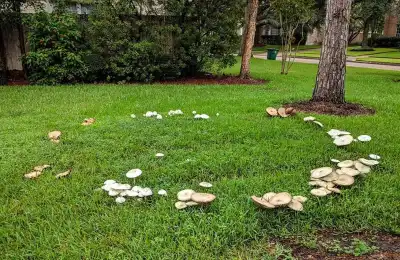
If you’ve ever seen a perfect circle of mushrooms in a field, you’ve spotted what folklore calls a fairy ring or faerie circle. These natural patterns inspired myths all over Europe. In fairy ring folklore, such circles were said to be formed where fairies danced at night. Stepping into one could transport you to the fairy realm, but at great risk.
According to Irish legend, people who entered these circles might return years later, believing only a few minutes had passed. Others never returned at all. The faerie folklore surrounding fairy circles warns humans to admire them from a distance, for crossing into their realm could change you forever.
What Do Fairies Look Like According to Folklore?
Fairies have taken many forms through the ages. In early Celtic tales, they looked very much like humans, often taller, more graceful, and impossibly beautiful. Over time, especially through literature and art, they became smaller, winged, and delicate, like the mythical creatures we see in storybooks.
But if you ask what fairies look like according to folklore, the answer varies. Some are shimmering elemental beings, others resemble wild forest spirits, and a few, like the banshee or leannán sídhe, appear haunting and otherworldly. The idea that fairies sparkle or glow comes from descriptions of their “aura” or magical energy, said to light up the night air around them.
Different Types of Fairies
There are countless types of fairy beings across myths, but here are 10 types of fairies often mentioned in Celtic and European fairy lore:
- Seelie Court Fairies – Kind and sociable, often helping humans who respect them.
- Unseelie Court Fairies – Mischievous or bad fairies, known for playing cruel tricks.
- Brownies – Helpful household spirits who assist with chores if treated kindly.
- Pixies – Playful fairy folklore creatures known for dancing, laughter, and mischief.
- Banshees – Female spirits who wail to foretell death, both feared and revered.
- Leprechauns – Small, solitary fairies from Ireland folklore, famed for their hidden gold.
- Selkies – Shape-shifting seal fairies found in Irish and Scottish legends.
- Dryads – Tree spirits, symbolising nature’s life force.
- Will-o’-the-Wisps – Ghostly lights that lure travellers off their path.
- Elemental Fairies – Spirits tied to earth, air, fire, and water, elements often connected with natural balance.
These examples show that fairies can be protective, neutral, or dangerous. They’re complex beings, much like humans themselves.
Are Fairies Evil?
In ancient tales, fairies weren’t labelled as “good” or “evil.” Instead, they followed their own rules. While some were helpful and even friendly, others could be creepy fairies or vengeful spirits who punished disrespect.
Certain evil fairy names appear in myths as warnings, like the Redcap, who haunted castle ruins, or the Nuckelavee, a terrifying sea fairy from Scottish lore. But most fairies, even mischievous ones, weren’t evil for the sake of it. Their actions often reflected how humans treated the natural world, offering a reminder to show gratitude and care.
Famous Fairies in Mythology
You’ve probably heard of fairies in Shakespeare’s A Midsummer Night’s Dream. The names of fairies in mythology like Oberon, Titania, and Puck became symbols of magic and mischief in English literature. Titania is often called the Queen of all Fairies, while Puck represents the playful, unpredictable side of the fae.
In Celtic lore, the Celtic Queen of the Fairies is sometimes identified as Aine or Queen Mab, both associated with beauty, love, and sovereignty. The three fae queens: Aine, Fand, and Clíodhna, are linked to different regions and natural forces.
As for the most powerful fairy in mythology, stories vary. Some say Titania holds that title, while others name the Morrígan, an Irish goddess with fairy-like qualities. Meanwhile, the most famous fairy depends on your culture; it could be Tinker Bell, Titania, or Aine herself.
Fairy Symbolism and Beliefs
Across centuries, fairies have symbolised nature, transformation, and mystery. They remind us that there’s more to the world than meets the eye, and that every forest, stream, or gust of wind could hold unseen magic.
In faerie folklore, salt is believed to protect humans from enchantment. That’s why some tales claim fairies have to count salt if it’s scattered, keeping them distracted until sunrise. Other traditions associate fairies with specific times of day, such as dusk or dawn, when the veil between worlds is said to be thinnest.
Irish Fairy Beliefs Today
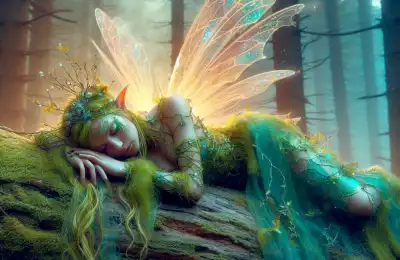
Even in modern Ireland, fairy beliefs remain surprisingly strong. Construction projects have been halted to avoid disturbing fairy forts, and locals still leave offerings of milk or bread for the Irish fey. These customs continue not because people fear fairies, but because they respect the ancient stories and the landscapes they’re tied to.
Fairies remain a bridge between the seen and unseen, symbols of the mystery that still lingers in everyday life. And while science might explain what a fairy ring truly is, folklore keeps its magic alive.
Do Fairies Really Exist?
For many, the answer depends on faith, experience, and imagination. Some claim to have seen glowing lights in the woods or heard laughter on the wind. Others see fairies as metaphors, a way to express our spiritual connection with nature.
The truth may lie somewhere in between. Whether you believe in faerie origin myths or simply enjoy the tales, fairies endure because they represent hope, magic, and mystery; things humanity never stops searching for.
Recommended for you!
Best Sellers
Discover the Fairies and Fairy Magick Diploma for £29
If this world of enchantment has captured your interest, you can take your curiosity even further. The Fairies and Fairy Magick Diploma Course with Centre of Excellence is designed for anyone eager to explore the lore, symbolism, and spiritual side of the fae. You’ll uncover the deeper meanings behind fairy folklore, learn about the Irish fae lore, and discover how to connect with this energy in your own spiritual practice. You can access the full course today for a discounted price of £29!