Known as the Hindu god of destruction, Shiva is one of the most powerful and fascinating deities in Hindu mythology. Understanding Shiva offers insight into the rhythm of life itself: creation, preservation and destruction working together as natural stages of existence.
In this blog post, we explore Shiva’s myths, powers, and symbols, and discover why he remains such an important figure in Hindu belief and culture.
Jump to:
Recommended for you!
Best Sellers


Who is Lord Shiva?
Shiva is one of the principal deities in Hinduism and a central figure in the Hindu trinity, alongside Brahma, the creator, and Vishnu, the preserver. Together, these three gods symbolise the cycle of existence. Shiva’s role as the destroyer can sound intimidating, but in Hindu belief, destruction is not about chaos or cruelty. It represents the clearing away of what is old, making space for renewal, transformation and growth.
In ancient texts and imagery, Lord Shiva is often shown meditating in the Himalayas. He is depicted clothed in animal skins, with ashes covering his body. These details symbolise his detachment from worldly desires and his focus on higher truth and spiritual awareness.
Lord Shiva’s Myths
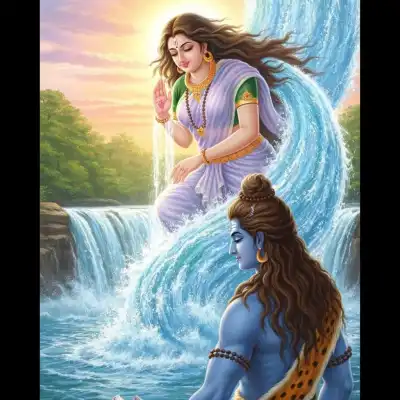
Lord Shiva’s myths are some of the most well-known stories in Hindu tradition, offering insight into his role and importance in mythology.
Shiva and Sati
One of the earliest stories about Shiva tells of his marriage to Sati, the daughter of King Daksha. Sati chose to marry Shiva even though her father strongly disapproved. She stayed loyal to her husband, but when Daksha insulted Shiva in front of others, Sati was so hurt that she took her own life. Shiva was devastated, and in his grief, he carried Sati’s body across the universe, and his sorrow caused chaos in the world. This story shows Shiva not only as a powerful god but also as a deeply loving and compassionate figure.
The Story of Ganga and Shiva
Another well-known tale is the story of Ganga and Shiva. When the river goddess Ganga descended from the heavens, her force was so great that it threatened to flood the earth. To protect the world, Shiva caught her in his hair, letting the water flow gently to the ground. This myth symbolises Shiva’s ability to control immense power with calm strength.
The Cosmic Dance
Shiva is also well known as Nataraja, the cosmic dancer. In this form, he performs the Lord Shiva dance, which represents the destruction of ignorance and the endless cycle of time. His dance is not just movement; it is a symbol of the universe itself. Through it, creation, preservation, and destruction all come together in perfect balance, showing that he is the rhythm that keeps life moving.
The Role of Shiva in Hindu Storytelling
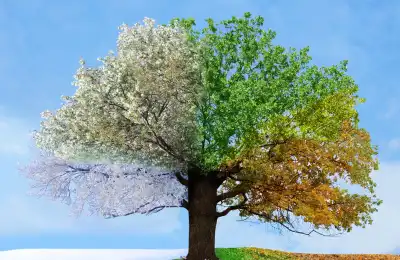
In Hindu storytelling, Shiva is more than a powerful deity; he is a way of explaining life’s natural cycles of change. Myths about him often highlight the themes of destruction, renewal, and balance, helping people understand that endings are never final but are part of growth.
Shiva is often described as a god who lives outside ordinary society, choosing meditation and simplicity over riches and power. This makes him a powerful symbol of detachment from greed and a reminder of the value of self-discipline. At the same time, stories present him as a family figure, a husband and father, showing that he belongs in both the spiritual and worldly spheres.
Powers of Shiva
Shiva is known for unique powers that symbolise his ability to guide, protect, and transform the world around him.
- Third Eye: Shiva’s third eye represents higher vision and spiritual wisdom. When opened, it is said to burn away ignorance.
- Trident (Trishula): The trident is one of Shiva’s most important symbols. Each point represents creation, preservation, and destruction, showing that Shiva embodies all aspects of existence.
- Control over Time and Death: As the god of destruction, Shiva has power over life cycles. He is sometimes seen as the end of time itself, reminding us of impermanence.
- Dance of Destruction: In his form as Nataraja, Shiva’s dance symbolises the destruction of ignorance and the renewal of the world.
Symbols Associated with Shiva
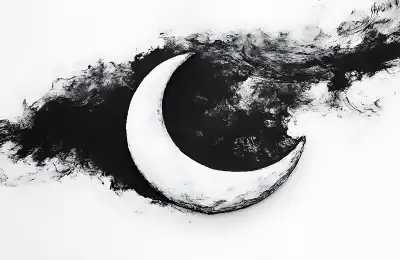
The image of Shiva is filled with powerful symbols, each carrying a deeper meaning about life, death, and transformation:
- Ashes on His Body: The ashes covering Shiva remind people of the impermanence of life and the truth that all things eventually return to dust.
- Crescent Moon: The moon resting on Shiva’s head represents the passing of time and the cycles of renewal that shape existence.
- River Ganga in His Hair: This symbol reflects compassion, balance, and the power to control overwhelming forces.
- Snake Around His Neck: The snake represents energy, transformation, and fearlessness. By wearing it, Shiva shows mastery over danger and death.
- Statue of Shiva: Statues often show him either in deep meditation or as Nataraja, the cosmic dancer. Together, these images capture both stillness and movement, showing him as a god of balance and transformation.
Shiva’s Lineage and Connections
Shiva is often described as timeless, with no clear beginning, yet in mythology, he is closely linked with other deities and figures.
His first wife was Sati, who later reincarnated as Parvati, his eternal consort. Parvati is regarded as the wife of Lord Shiva, and together they represent divine balance, with masculine and feminine energies in harmony. Their sons, Ganesha and Kartikeya, are also important figures in Hindu mythology, each with their own distinct roles and stories.
Worship of Shiva in Modern Culture
Today, Shiva is worshipped by millions across India and beyond. Temples dedicated to Shiva are found in many parts of the world, and his image continues to inspire spiritual seekers in different cultures. His symbols, such as the trident and the third eye, have become popular in art, jewellery, and tattoos.
One of the most common forms of worship is through the Shiva lingam, a symbol that represents his energy and creative force. Devotees offer water, milk, flowers, and prayers to the lingam as a way of honouring his presence.
Maha Shivaratri is one of the most important festivals devoted to Shiva. It is marked by fasting, chanting, meditation, and night-long prayers, all performed to seek his blessings and reflect on the cycles of life he represents.
Recommended for you!
Best SellersFrequently Asked Questions
What are the 7 laws of Shiva?
The “seven laws of Shiva” are often described as guiding principles linked to his teachings: truth, self-control, compassion, purity, awareness, devotion, and balance. These ideas reflect the qualities that Shiva embodies in mythology.
How do you know Shiva is with you?
Many devotees believe Shiva’s presence is felt through peace of mind, strength during challenges, or guidance in meditation. Acts of kindness, discipline, and awareness are also seen as ways to connect with his energy.
Which actions are considered disrespectful to Shiva?
In Hindu traditions, people avoid behaviours such as arrogance, greed, cruelty, or disrespect, as these are considered displeasing to Shiva. During festivals like Maha Shivaratri, devotees also refrain from certain foods and follow fasting practices to show discipline and devotion.
What is Shiva weak against?
In mythology, Shiva is not described as having weaknesses in the same way humans do. However, his deep compassion and love sometimes lead him into acts of sacrifice, showing that his strength is balanced with vulnerability.
How is Shiva connected to yoga?
In yoga tradition, Shiva is honoured as the Adi Yogi, or the first yogi. He is believed to have passed on the wisdom of yoga, meditation, and self-discipline, making him a guide for spiritual practice.
Study Our Hindu Mythology Diploma for £29
If you would like to explore Shiva and other deities such as Vishnu, Lakshmi, and Durga in greater depth, you can study the Hindu Mythology Diploma Course with Centre of Excellence. For a limited time, this fascinating course is available for just £29, giving you the chance to discover the stories, meanings, and cultural importance of these incredible gods and goddesses.