Among the many Hindu deities, Vishnu is one of the most widely celebrated. Known as the preserver of the universe, he plays an important role in protecting balance and ensuring that good triumphs over evil.
This blog post will guide you through the myths, symbols, and powers of Vishnu, offering insight into why he remains such a central figure in Hindu culture and why devotees continue to worship him today.
Jump to:
- Who is Vishnu in Hindu Mythology?
- Vishnu’s Myths and Avatars
- The Role of Vishnu in Hindu Storytelling
- What Powers Did Vishnu Possess?
- Symbols Associated with Vishnu
- Vishnu’s Lineage and Connections
- Why Is Vishnu Special?
- Worship of Vishnu in Modern Culture
- Frequently Asked Questions
- Study Our Hindu Mythology Diploma for £29
Recommended for you!
Best Sellers


Who is Vishnu in Hindu Mythology?
In Hindu mythology, Vishnu is one of the most important deities of the Trimurti, the divine trinity of Brahma, Vishnu, and Shiva. Brahma is the creator, Vishnu the preserver, and Shiva the destroyer. Each plays a role in the eternal cycle of the universe.
Vishnu’s role as a preserver means he is deeply connected with order, protection, and balance. He’s the god who steps in whenever the universe is in danger of falling into chaos. Vishnu is described in scriptures such as the Vedas and Puranas, where his actions and qualities are celebrated in great detail. Over time, his myths have inspired temples, art, music, and worship practices across India and beyond.
Vishnu’s Myths and Avatars

The story of Lord Vishnu is told through many myths, but his most famous feature is his avatars. According to tradition, Vishnu takes form whenever the universe is in danger. These incarnations are known as the Dashavatara, the ten main avatars of Vishnu.
Some of the most loved include:
- Matsya (the fish): Who saved the world from a great flood.
- Vamana (the dwarf): Who humbled a king with his small but mighty form.
- Rama: The heroic prince from the Ramayana, known for his devotion and righteousness.
- Krishna: The playful teacher of the Bhagavad Gita, whose stories remain among the most beloved in Hindu tradition.
Each story carries a lesson about justice and the triumph of good. His avatars remind us why Vishnu is so special: he adapts to each age, always arriving in the form most needed to protect the world.
The Vishnu Snake: Ananta Shesha
One of the most striking images of Vishnu is him reclining on a giant cosmic serpent called Ananta Shesha. This Vishnu snake is said to float on the cosmic ocean, and Vishnu rests on it between cycles of creation. According to myth, when Vishnu sleeps on the serpent, the universe is dissolved into nothingness, and when he awakens, creation begins again. This image beautifully represents the cyclical nature of time in Hindu belief.
The Role of Vishnu in Hindu Storytelling
In Hindu storytelling, Vishnu is more than a warrior or ruler; he is the voice of reassurance. While Shiva’s tales may focus on destruction and Brahma’s on creation, Vishnu’s stories bring stability. He represents the certainty that whenever life becomes too chaotic or unjust, help will arrive.
From the meaning of his name, “the all-pervading one”, we learn that he is present everywhere, even when unseen. His myths reflect the belief that the divine continually interacts with the world to keep it safe.
What Powers Did Vishnu Possess?

Vishnu is celebrated for his extraordinary powers, each of which reflects his protective role.
- Shape-shifting and Avatars: Vishnu can take countless forms, from animals to kings to divine beings, showing his adaptability.
- Restoring Balance: His central power lies in restoring dharma (righteousness) whenever it falters.
- Divine Protection: Myths describe him shielding devotees from harm, using his strength and wisdom to overcome evil.
- Mercy and Compassion: Beyond physical power, his greatest strength is kindness. Vishnu is said to forgive mistakes and guide his worshippers with gentle patience.
Symbols Associated with Vishnu
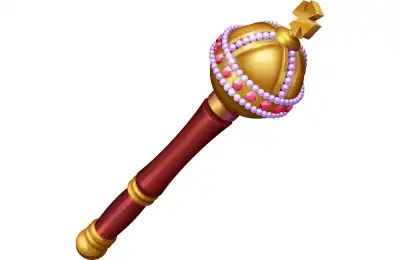
If you look closely at images of Vishnu, you’ll see his four arms, each holding a symbol with deep meaning. Together, these items express his role as both a protector and a guide to spiritual truth.
- The Conch (Shankha): Represents the divine sound “Om,” the source of creation.
- The Discus (Chakra): A spinning weapon symbolising the destruction of evil and the power to protect truth.
- The Mace (Gada): Signifies his strength and authority as protector.
- The Lotus (Padma): A symbol of purity, beauty, and spiritual awakening.
Why is Lord Vishnu Blue?
You may have heard people referring to Vishnu as the “blue god” to reflect the colour of his skin. The colour symbolises infinity, like the endless sky or the vast ocean. It reminds worshippers that Vishnu is beyond limits, eternal, and all-encompassing. His blue skin is also a visual reminder of his divine nature, something not bound by the physical world.
Vishnu’s Lineage and Connections
The wife of Vishnu is Lakshmi, the goddess of wealth, beauty, and prosperity. She complements his qualities by symbolising abundance and good fortune, and together, Vishnu and Lakshmi embody the perfect balance of protection and prosperity.
Some traditions mention additional consorts in different forms or stories, but Lakshmi is almost universally seen as his eternal partner.
Why Is Vishnu Special?
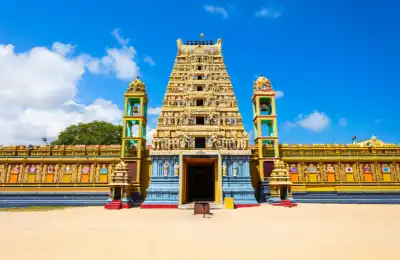
Unlike other gods who embody specific functions, Vishnu’s role directly connects to the everyday lives of people. He protects, preserves, and reassures. In his myths, Vishnu steps into crises with compassion. Unlike distant cosmic figures, he’s approachable, loving, and deeply connected to humanity. His stories teach that divine care is always present, even in times of chaos.
Worship of Vishnu in Modern Culture
Vishnu remains one of the most popular Hindu gods, with millions of devotees across the world. His worship is especially strong in Vaishnavism, one of the largest traditions within Hinduism.
Festivals such as Janmashtami (Krishna’s birth) and Diwali (Rama’s return) celebrate his avatars, while countless temples across India and beyond honour him with prayers, offerings, and rituals.
Recommended for you!
Best SellersFrequently Asked Questions
What does the name Vishnu mean?
The meaning of Vishnu comes from the Sanskrit root “vish,” meaning “to pervade.” This highlights the belief that Vishnu is present everywhere, all-encompassing and infinite.
Does Vishnu have children?
In some myths, Vishnu and Lakshmi are described as parents of divine sons such as Kamadeva, the god of love. However, these accounts vary, and many traditions treat Vishnu as eternal and beyond family ties in the human sense.
What makes Vishnu different from other Hindu deities?
While many gods are associated with creation, destruction, or specific natural forces, Vishnu’s unique role is preservation. His presence is about sustaining life and protecting cosmic order, which makes him approachable and deeply comforting to devotees.
Is Vishnu always shown with four arms?
Most traditional depictions show Vishnu with four arms holding his sacred symbols. However, in some of his avatars, like Rama or Krishna, he appears in a human form with two arms. These variations reflect his ability to adapt and connect with people.
Does Vishnu appear in other cultures outside India?
Worship of Vishnu spread to South-East Asia, where temples and myths about him and his avatars can be found in countries such as Cambodia, Thailand, and Indonesia. Local traditions blended his stories with their own cultures.
Study Our Hindu Mythology Diploma for £29
If learning about Vishnu has sparked your curiosity, why not take your understanding further? The Hindu Mythology Diploma Course with Centre of Excellence explores deities, myths, and cultural symbolism in depth. For a limited time, you can access the course for just £29.