
For many dog owners, crate training offers a practical way to keep puppies safe, encourage good behaviour, and build healthy routines.
If you’re wondering how to kennel train your puppy without stress and set up a puppy crate properly, this guide walks you through everything step by step.
Jump to:
Recommended for you!
Best Sellers





What Is Crate Training?
Crate training is the process of teaching your puppy to see their crate as a safe and comfortable space. Think of it as your puppy’s bedroom; a cosy, quiet place where they can rest and take time out.
The definition of crate training includes helping your puppy learn to settle calmly in their crate, go in willingly, and stay relaxed even when left alone for short periods. It's not about confinement or punishment. When done well, crate training builds trust and helps prevent behavioural problems like destructive chewing and toilet accidents.
Why Use a Crate for Your Puppy?

Many vets and trainers recommend crate training as part of a healthy puppy development plan. Here are some reasons why:
- Safety: Puppies explore the world with their mouths; wires, shoes, and furniture are all fair game. A crate keeps them safe when you can't supervise them directly.
- Toilet Training: Dogs don’t like to soil their sleeping space. A properly sized crate encourages your puppy to wait until they’re outside.
- Routine and Rest: Puppies need lots of sleep. A crate helps establish a quiet routine where they can rest without overstimulation.
- Travel and Vet Visits: Crate-trained puppies handle car journeys and vet trips much better, as the crate becomes a familiar, secure space.
How to Crate Train a Puppy: Step-by-Step Guide
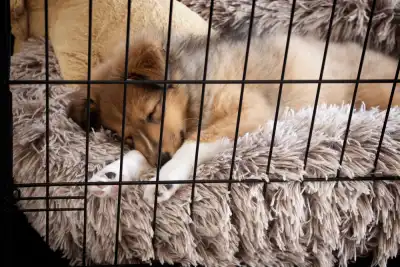
Learning how to crate train your puppy doesn’t need to be overwhelming. With patience and consistency, most puppies adapt well.
1. Choose the Right Crate
A crate should be large enough for your puppy to stand, turn around, and lie down comfortably, but not so big that they can toilet in one corner and sleep in the other.
Look for a crate with:
- Solid sides (for cosiness and security)
- A divider if your puppy will grow much bigger
- A door that opens easily and safely
If you’re using a playpen as well, consider combining the dog playpen and crate to give your puppy a safe indoor space with a sleeping zone.
2. Set Up the Puppy Crate
If you’re wondering how to set up a puppy crate, here’s what to include:
- Soft bedding or a crate mat
- A safe chew toy
- A light blanket over part of the crate (to make it den-like)
- Water bowl (only if crating for longer periods)
Place the crate in a quiet area of the home, close enough to feel part of the family, such as the corner of the living room or your bedroom at night.
3. Introduce the Crate Slowly
Don’t just place your puppy inside and close the door. Let them explore it at their own pace.
- Prop the door open and let your puppy sniff around
- Toss treats and toys inside to create positive associations
- Feed them their meals just outside the crate at first, then move the bowl inside
Make it a relaxed and gentle process. You want your puppy to feel like the crate is a great place to be.
4. Practice Short Sessions
Begin with very short sessions:
- Encourage your puppy inside with a treat
- Close the door for just a few seconds, then open it again
- Gradually increase the time with the door closed
Always reward calm behaviour. If your puppy cries, wait until they settle before opening the door (unless you suspect they need the toilet). This helps avoid reinforcing crying.
5. Build Duration Gradually
Once your puppy is comfortable with the crate for a few minutes, slowly extend the time. This stage is key to teaching your puppy to be okay alone in the crate, even if you’re not nearby.
- Sit near them at first
- Start leaving the room for a few minutes at a time
- Vary the timing and return calmly
How to Crate Train Your Puppy in 3 Days

While every dog is different, you can establish a basic routine quickly with focused effort.
Day 1:
- Introduce the crate as a happy, safe space
- Let your puppy explore it with the door open
- Start feeding meals inside the crate
- Practice closing the door for 30 seconds to 2 minutes
Day 2:
- Extend crate time to 5-10 minutes
- Begin stepping out of sight briefly
- Use nap times in the crate to build positive associations
Day 3:
- Aim for longer crate sessions (up to 30 minutes)
- Continue practicing calm entry and exit
- Try a short crate nap while you leave the house
Remember, this depends on your puppy’s age and temperament. Don't rush; success comes from creating positive experiences, not forcing the pace.
Tips for Crate Training a Puppy
Here are some extra tips for crate training a puppy to help things go smoothly:
- Be consistent: Use the same cues and routines every time.
- Stay calm: Your puppy takes cues from you; if you’re relaxed, they’ll be more confident.
- Avoid using the crate as punishment: This will undo your hard work.
- Make crate time enjoyable: Offer treats and toys, or a food-stuffed chew when crated.
- Never leave a young puppy too long: Use a timer if needed to remind yourself.
Recommended for you!
Best SellersFrequently Asked Questions
Is it okay to let a puppy cry in a crate at night?
Puppies may cry in the crate at night, especially in the first few days; it's their way of communicating. If it’s been a few hours and they might need the toilet, take them out calmly and quietly. If they’ve just been out and are still crying, try to wait for a pause before opening the door, so they don’t learn that crying creates attention.
Can I crate train an older dog, or is it only for puppies?
While puppies may adapt more quickly, older dogs can also learn to feel comfortable and safe in a crate with the right approach. Take it slowly, use positive reinforcement, and ensure the crate is never associated with punishment. Older dogs might take longer to adjust, but they are capable of becoming crate-trained.
How long can a puppy stay in a crate during the day?
As a general rule, puppies can stay in a crate for about one hour for each month of age, up to a maximum of four to five hours during the day. For example, a two-month-old puppy should only be crated for two hours at a time. Overnight crating can be longer, especially once your puppy can hold their bladder for extended periods. Always ensure your puppy gets plenty of breaks and interaction outside of the crate.
Can I use the crate for time-outs?
While it might be tempting, it’s best not to use the crate as a time-out or punishment area. The crate should remain a positive, safe, and calm space. If your puppy needs a short break to settle down, consider using a neutral area like a quiet room or a separate playpen instead. Mixing crate use with discipline can lead to fear or anxiety around it.
Can I crate my puppy while I’m at work?
If you're away for long hours, crating your puppy the whole time isn’t ideal. Puppies need regular toilet breaks, social interaction, and stimulation. If you must leave for several hours, consider:
- Hiring a dog walker or pet sitter
- Asking a friend or neighbour for help
- Setting up a safe playpen area with access to toys, water, and a toilet pad
What if my puppy won’t stop barking in the crate?
Barking can happen for many reasons: boredom, loneliness, or needing the toilet. First, make sure your puppy’s basic needs are met. Then:
- Avoid letting them out while barking, or they may learn that barking gets your attention
- Wait for a pause in the barking before letting them out
- Offer a chew toy or puzzle feeder to keep them occupied
- Use a calming voice and body language to reassure them
If barking persists, take a step back and shorten crate sessions for a while, gradually rebuilding positive associations.
Can I leave toys or treats in the crate?
Durable chew toys like rubber Kongs or soft plush toys (for light chewers) are great options. You can also leave treats hidden inside a chew toy to keep your puppy engaged. Avoid anything that could break into small parts or be swallowed whole.
Is crate training suitable for every breed?
Most breeds respond well to crate training, though some might take longer to adjust than others. Very active or working breeds may need more exercise and mental stimulation outside of crate time. Gentle and consistent training is more effective than forcing the issue, regardless of breed.
Study Our Dog Training Diploma Course for £29
Would you like to learn even more about positive training techniques and puppy development? The Dog Training Diploma Course from Centre of Excellence is a fantastic way to build your confidence and skills, whether you're a new puppy owner or dreaming of a dog training career.
Right now, you can enrol for just £29!




