If you're thinking about getting a dog, one of the first things worth considering is which low-maintenance dog breeds might be the best fit for your lifestyle. It's a smart question to ask, and the fact that you're doing your research already puts you ahead of the game.
What's in this Guide?
This guide covers the easiest dogs to take care of, from small and short-haired breeds to family-friendly and hypoallergenic options. You'll also find advice on long-term health costs and which breeds are best suited to quieter or busier lifestyles.
Jump To:
- What Does 'Low Maintenance' Actually Mean?
- What Dog Breed Requires the Least Maintenance?
- Small Dog Breeds That Are Low Maintenance
- Low-Maintenance Dogs for Families
- Low Maintenance Hypoallergenic and Non-Shedding Dogs
- Low Exercise Dogs: Great for Quieter Lifestyles
- Low-Maintenance Dogs That Like to Cuddle
- What About High-Maintenance Dogs?
- Dogs with Fewer Vet Bills: Thinking About Long-Term Health
- What Is the Easiest Dog to Take Care Of?
- Study Canine Behaviour Training for £29
What Does 'Low Maintenance' Actually Mean?
Before diving into specific breeds, it's worth clarifying what we mean by low maintenance, because it means different things to different people. For some, it's about grooming; they want a dog that doesn't shed constantly or need expensive trips to the groomer. For others, it's about exercise; they want a companion that's happy with a couple of short walks a day rather than two hours of countryside running.
Generally speaking, easy-maintenance dogs tend to share a few common traits:
- They don't need excessive daily exercise
- Their coat is simple to manage, either short, non-shedding, or both
- They tend to be calm and adaptable in temperament
- They're generally healthy breeds with fewer inherited conditions
- They don't suffer from extreme separation anxiety
It's also worth noting that 'low maintenance' doesn't mean 'no maintenance'. Every dog needs love, attention, regular feeding, veterinary care, and companionship. The breeds listed here simply require less of your time in certain areas compared to more demanding dogs.
What Dog Breed Requires the Least Maintenance?
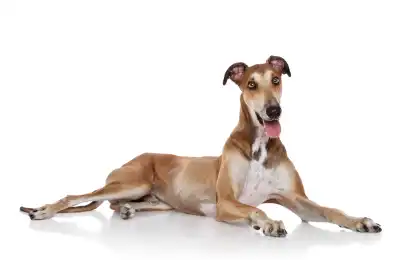
While there's no single answer that suits everyone, a few breeds consistently come out on top when it comes to being the lowest-maintenance dog breeds overall.
Basset Hound
The Basset Hound is famously laid-back and perfectly happy with a leisurely stroll rather than a demanding run. Their short coat is easy to maintain, and their gentle temperament makes them a pleasure to live with. They do drool a little and have those characteristically long ears that need regular cleaning, but on the whole, they're a very easy-going breed.
Greyhound
Surprisingly, Greyhounds are one of the most low-maintenance healthy dogs you can own. Despite their athletic build, they're known as the '40mph couch potatoes' of the dog world. They enjoy a good sprint, but they're equally happy lounging around the house. Their short, smooth coat requires almost no grooming, and they tend to be quiet and gentle by nature.
Dachshund
The smooth-coated Dachshund is a popular choice for those looking for dogs that are easy to take care of. They're small, adaptable, and don't need huge amounts of exercise. Just be mindful of their long backs; avoiding too many stairs and keeping their weight in check will help prevent spinal issues down the line.
Chihuahua
The smooth-coated Chihuahua is arguably the most low-maintenance small short-haired dog available. Tiny in size, easy to groom, and happy with indoor play and short walks, they're ideal for people with limited space or a quieter lifestyle. Their big personalities more than make up for their small stature.
Small Dog Breeds That Are Low Maintenance
Many people are specifically looking for small dogs that are low-maintenance. The good news is that there are plenty of small dog breeds that are low-maintenance enough to suit a wide range of lifestyles.
Some excellent options include:
- French Bulldog: compact, quiet, and not particularly high-energy. Their short coat is easy to maintain, though their facial folds do need regular cleaning.
- Pug: similar to the French Bulldog, Pugs are small, affectionate, and relatively undemanding in terms of exercise. They love company and they're happiest curled up with their owner.
- Miniature Pinscher: spirited but compact, the Min Pin has a short coat that needs minimal grooming and enjoys moderate exercise.
- Italian Greyhound: sleek, elegant, and very low-shedding. They're sensitive dogs that thrive on gentle handling and don't need vast amounts of exercise.
When you're choosing a small breed, it's still worth researching the specific temperament of the individual dog. Some small breeds can be surprisingly feisty and vocal, which is something to consider if you live in close quarters with neighbours.
Low-Maintenance Dogs for Families
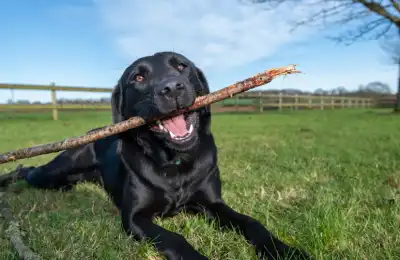
Finding low-maintenance dogs suitable for your family involves balancing temperament, energy levels, and ease of care. Families often need a dog that's patient with children, adaptable to a busier home environment, and not too demanding in terms of grooming or training.
Here are some breeds that tick those boxes:
- Labrador Retriever: one of the most popular family dogs in the UK, Labs are gentle, trainable, and sociable. Their short coat sheds but doesn't require professional grooming. They do need regular exercise, but their adaptable nature makes them a solid all-round family companion.
- Cavalier King Charles Spaniel: a gentle, loving breed that bonds closely with family members and does well with children. They're moderate in their exercise needs and are generally easy-going.
- Boxer: Boxers are playful and loyal, and while they've got plenty of energy, they're relatively low maintenance in terms of grooming. Their short coats shed minimally and they're known for being patient and fun with children.
- Beagle: curious, friendly, and sturdy. Beagles are a classic family choice and they tend to get on well with other pets too. Their coat is short and easy to manage.
It's worth noting that even the most easy-going family dog will need proper training and early socialisation. A well-behaved dog isn't simply a product of breed; it also comes down to the care and guidance it receives from its owners.
Low Maintenance Hypoallergenic and Non-Shedding Dogs
If allergies are a concern in your household, you may be looking specifically for hypoallergenic dogs or non-shedding dogs. While no dog is truly 100% hypoallergenic, certain breeds produce less dander and shed less hair, which can significantly reduce allergic reactions.
Popular options include:
- Bichon Frise: a small, fluffy dog that sheds very little. Their coats do require regular brushing to prevent matting, but they're a superb choice for allergy sufferers.
- Miniature Schnauzer: low-shedding, intelligent, and full of character. They require occasional professional grooming, but their coat won't carpet your furniture with hair.
- Maltese: a tiny, silky-coated breed that sheds minimally. They're affectionate and calm, making them well-suited to quieter households.
- Poodle (Miniature or Toy): the Poodle is often cited as one of the most hypoallergenic breeds available. They're also highly intelligent and trainable, which makes them even easier to live with.
If shedding is a major concern, opting for one of these breeds can make a real difference to the daily upkeep of your home.
Low Exercise Dogs: Great for Quieter Lifestyles
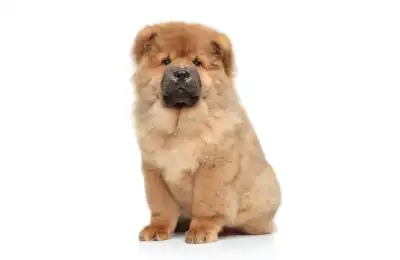
Not everyone has the time or physical ability for long daily walks, and that's perfectly fine. There are plenty of low-exercise dogs that are happy with a gentle stroll or some indoor playtime, making them ideal for older owners, people with mobility challenges, or those with very busy schedules.
Breeds that tend to have lower exercise needs include:
- Shih Tzu: bred as a companion dog, the Shih Tzu is perfectly content with short walks and lots of indoor cuddles. Their long coats require more grooming, but opting for a shorter 'puppy cut' keeps this more manageable.
- Bulldog (English): slow-paced and often quite lazy by nature, Bulldogs don't require a great deal of exercise. They're loyal, affectionate, and perfectly happy with a slow amble around the block.
- Chow Chow: independent and calm, Chow Chows are surprisingly low-energy and don't demand constant stimulation. They can be aloof with strangers but not aggressive, and they're devoted to their families.
- Lhasa Apso: another companion breed with modest exercise requirements. They're confident and bond closely with their owners.
Even with lower exercise breeds, it's important to provide some form of daily activity. Both physical and mental stimulation are essential for a dog's wellbeing, and puzzle feeders, gentle play, and short sniff walks can all make a big difference.
Low-Maintenance Dogs That Like to Cuddle
For many people, the ideal dog isn't just easy to care for; it also needs to be affectionate and happy to curl up on the sofa. The good news is that several low-maintenance dogs that like to cuddle also happen to be some of the easiest breeds to own.
Top choices for affectionate, easy-going companionship:
- Pug: often described as 'velcro dogs', Pugs love nothing more than being close to their people. They're calm, affectionate, and they only need moderate exercise.
- Cavalier King Charles Spaniel: Cavaliers are wonderfully gentle and loving. They'll happily spend hours snuggled up with their owner.
- Greyhound: you might not expect the athletic Greyhound on this list, but ex-racing Greyhounds are famously affectionate and love lounging with their owners. They're one of the best dogs for lazy owners who still want a loyal companion.
- Bichon Frise: small, cheerful, and exceptionally cuddly. Bichons thrive on human company and they're known for their sweet, gentle temperament.
What About High-Maintenance Dogs?
It's also useful to know which breeds are considered high-maintenance dogs, so you can make a fully informed decision. Breeds that typically require more time, effort, and resources include:
- Border Collie: extraordinarily intelligent and energetic, Border Collies need hours of physical and mental stimulation every day. Without it, they can become destructive and anxious.
- Siberian Husky: high energy, heavy shedders, and known escape artists. Huskies are wonderful dogs, but they demand a lot.
- Afghan Hound: their stunning coat requires extensive daily grooming to prevent tangling and matting.
- Dalmatian: energetic and highly strung, Dalmatians need consistent training and significant daily exercise.
- Standard Poodle: while intelligent and loving, their coats require regular professional grooming, and they need plenty of mental stimulation to stay happy.
None of these breeds are 'bad' dogs. They're simply better suited to owners who have the time, experience, and lifestyle to match their needs. If you're drawn to one of these breeds, it's absolutely worth doing extra research and considering whether your current lifestyle would support them properly.
Recommended for you!
Best Sellers



Dogs with Fewer Vet Bills: Thinking About Long-Term Health
One often-overlooked aspect of dog ownership is the cost of veterinary care over the dog's lifetime. If you're looking for dogs with fewer vet bills, hardier breeds such as mixed-breed dogs, Basenjis, Australian Cattle Dogs, and Beagles are worth considering. It's also wise to be cautious about flat-faced breeds like Bulldogs, Pugs, and French Bulldogs, which can be prone to respiratory issues. Always source from a responsible breeder and look for health-tested parents.
What Is the Easiest Dog to Take Care Of?
The easiest dog to take care of really does depend on your circumstances, but a few breeds come up time and again: Greyhounds, French Bulldogs, Basset Hounds, Pugs, and Miniature Schnauzers. All are adaptable, relatively low-shedding, and well-suited to a range of living situations. Whatever breed you choose, a dog that's been trained with kindness and consistency will always be easier to live with. Understanding canine behaviour is one of the best investments you can make as an owner.
Study Canine Behaviour Training for £29
Whether you've already welcomed a dog into your home or you're still deciding which breed is right for you, understanding how dogs think and behave is one of the most valuable things you can do as an owner. The Canine Behaviour Training Diploma Course from Centre of Excellence covers canine body language, instinctive behaviour, positive training techniques, and more. It's a flexible online course you can study at your own pace, and right now you can access it for just £29.