If you’ve ever had an anxious dog at the vets (shaking, pulling on the lead, or trying to hide), you’re not alone. Veterinary visits can be overwhelming for many dogs, with unfamiliar smells, new people, and unexpected handling.
The good news is, there are plenty of ways to calm your dog before the vet and make the whole experience easier. This guide shares a few simple strategies to help reduce your dog’s fear and create a more positive, calmer visit.
Jump to:
Recommended for you!
Best Sellers

Why is My Dog Afraid of the Vet?
Understanding the reasons behind your dog’s fear is the first step. Recognising these triggers helps you prepare for what your dog might find challenging and gives you the chance to ease their worry in advance.
- Unfamiliar environment: Veterinary surgeries have unique smells, sounds, and sights that dogs don’t encounter anywhere else.
- Handling by strangers: Dogs who are not used to being examined may feel threatened when touched in sensitive areas.
- Past experiences: If your dog has previously had injections, surgery, or another uncomfortable procedure, they may remember and associate the place with pain.
- Your own emotions: Dogs are sensitive to how you feel. If you are stressed about the visit, your dog may pick up on your anxiety.
Preparing Before the Appointment

A little preparation at home, and in the days leading up to the visit, can make the experience less daunting for your dog.
Practice Short Trips
For many dogs, the anxiety begins the moment they realise the car journey means a trip to the vet. To break this link, take your dog on short, enjoyable drives that don’t end at the surgery. A quick ride to the park, a walk in the countryside, or a visit to a friend’s house helps your dog learn that car journeys don’t always lead to something stressful. Over time, the car becomes a positive experience rather than a trigger for fear.
Get Them Comfortable with Handling
At the vet, your dog will be gently examined in ways they may not be used to. You can prepare them by practising at home. Try touching their ears, paws, mouth, and tummy calmly and reassuringly. Reward them with treats and praise when they stay relaxed. This type of practice builds trust and makes the real examination feel less strange and intrusive.
Bring Familiar Items
Familiar scents can be hugely comforting for a nervous dog. Bring along a favourite blanket, toy, or piece of bedding from home. Having something that smells like their safe space can provide reassurance and help reduce stress in an unfamiliar environment.
Book a Quiet Time
Where possible, arrange your appointment for a quieter part of the day. Fewer animals in the waiting room means fewer distractions, less noise, and a calmer atmosphere overall. This can make a big difference if your dog is easily overwhelmed by other pets and people.
Helping Your Dog Stay Calm During the Visit

Once you’re at the surgery, the aim is to keep your dog feeling as settled as possible. A few small changes in how you respond and what you provide can make the visit less stressful.
Stay Calm Yourself
Dogs are very sensitive to their owners’ emotions; if you’re tense, your dog will notice and may become more unsettled. Speak in a calm, steady tone and move slowly and gently. If your dog shows signs of worry, avoid showing frustration. Instead, offer quiet reassurance and help them feel safe by modelling the calmness you want them to feel.
Use Treats for Positive Reinforcement
Bring along a few of your dog’s favourite high-value treats; the kind they don’t usually get every day. Reward them for sitting quietly in the waiting room, for allowing the vet to examine them, and for small signs of calm behaviour. This creates a positive link between the vet and good experiences, helping to replace fear with anticipation of something nice.
Provide Distractions
Sometimes the best way to keep your dog’s mind off the unfamiliar environment is through distraction. A chew, a toy, or a food puzzle can keep them occupied while you wait. Focusing on something they enjoy helps lower stress and stops them from dwelling on the activity around them.
Ask to Wait Outside
Waiting rooms can be noisy and crowded, which may be overwhelming for nervous dogs. If your dog is calmer in the car or outdoors, let the receptionist know and ask if you can wait outside until it’s your turn. Many clinics are happy to accommodate this, and it allows your dog to stay in a space where they feel more comfortable.
Helping Your Dog Relax After the Vet
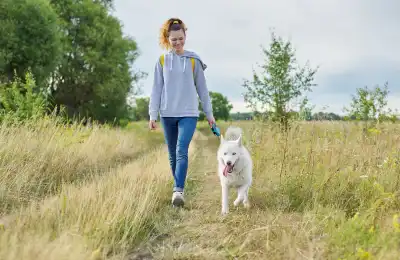
What happens after the vet visit is just as important for building positive associations. Here are some simple ways to help your dog wind down:
- Praise and reassurance: Offer plenty of affection so your dog feels safe once the appointment is over.
- Special reward: Give them a favourite treat or toy immediately after leaving the surgery to build a positive link.
- Gentle walk: Take them for a short stroll if they enjoy it; sniffing and movement help ease stress.
- Quiet rest: Let them relax in a familiar, calm space at home to recover.
- Monitor closely: Watch their behaviour after treatment and contact your vet if you notice anything unusual.
Further Support for Anxious Dogs

Even with preparation, some dogs continue to find vet visits difficult. Here are some more things you can try to make the experience less stressful for both you and your dog.
Talk to Your Vet
Vets are experienced with nervous dogs and have simple adjustments that can make a huge difference. This might include examining your dog on the floor rather than on a table, allowing you to stay close during the check-up, or giving your dog time to sniff and explore the room before the examination begins. In some cases, your vet may suggest short-term medication or other interventions to reduce extreme anxiety.
Use Calming Aids
Some dogs benefit from extra support in the form of calming products. These might include natural supplements, pheromone sprays and diffusers, or specially designed anxiety wraps that apply gentle pressure. Always check with your vet before introducing supplements to make sure they’re safe for your dog.
Build Confidence in Daily Life
A dog that feels confident in everyday situations is more likely to cope with new and unfamiliar ones, like a vet visit. Confidence-building activities at home, such as agility games, positive training sessions, and regular socialisation with calm, friendly dogs, can make your dog more adaptable. Teaching them simple behaviours like “sit” and “stay” also provides structure and reassurance when they feel unsure.
Seek Professional Training Support
If your dog’s anxiety remains strong, consider working with a qualified trainer or behaviourist. They can create a tailored plan using desensitisation and counter-conditioning techniques. Professional guidance helps you avoid mistakes, keeps your dog’s welfare at the centre, and ensures progress is made at the right pace.
If you’d like to build your own knowledge and confidence in this area, Centre of Excellence offers comprehensive Dog Training and Canine Behaviour Training Diploma Courses.
Recommended for you!
Best SellersFrequently Asked Questions About Dogs at the Vet
Should I feed my dog before a vet visit?
Unless your vet has told you otherwise (for example, if your dog needs to fast before blood tests or surgery), it’s fine to feed them as normal. In fact, a small meal or a few treats beforehand can help them feel settled and provide motivation for positive reinforcement during the visit.
How do I know if my dog is stressed at the vets?
Look for signs such as heavy panting, shaking, yawning, lip licking, pinned-back ears, or trying to hide. Some dogs may also bark or whine. Recognising these signals early means you can step in with reassurance, treats, or a break to help reduce their stress.
Can puppies be trained to enjoy the vet?
Socialising your puppy and creating positive experiences early on is the best way to help them feel comfortable at the vet's. Take your puppy for short, happy visits where nothing unpleasant happens, such as a quick weigh-in or meeting the staff. Pair these trips with treats, praise, and play. This helps them see the vet as a normal, friendly place rather than something to fear.
What if my dog refuses to go through the vet’s door?
Try using high-value treats or a favourite toy to encourage your dog through the door. You can also ask your vet if they’ll meet you outside or examine your dog in the car to reduce stress while you work on building up confidence over time.
Study Our Dog Training Diploma for £29
If you’d like to deepen your knowledge and gain more strategies for supporting your dog, Centre of Excellence offers a Dog Training Diploma Course. The course is packed with practical, easy-to-follow lessons to help you understand canine behaviour and training techniques, giving you the tools to build a stronger bond with your dog. Right now, you can enrol for just £29.