Providing a variety of enrichment opportunities supports your dog’s overall well-being, helping them lead a happier and more fulfilling life. This blog post explores a range of enrichment activities that encourage natural behaviours, stimulate the mind, and prevent boredom.
Jump to:
The Importance of Enrichment for Dogs
Enrichment for dogs refers to activities that encourage natural instincts such as sniffing, digging, chewing, and problem-solving. These activities give dogs the chance to use their senses and minds in positive ways. When dogs lack stimulation, they can become bored or anxious, which may lead to unwanted behaviours such as barking, chewing furniture, digging, and jumping.
A well-enriched dog is more confident and emotionally balanced. Enrichment helps to:
- Reduce stress and anxiety.
- Prevent destructive behaviour.
- Encourage focus and patience.
- Strengthen the bond between dog and owner.
Recommended for you!
Best Sellers




The Five Pillars of Enrichment for Dogs
Experts often describe enrichment as having five main pillars. Each one addresses a different area of your dog’s well-being:
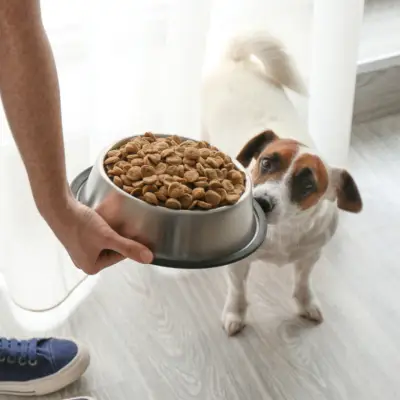
- Nutritional Enrichment: Engaging your dog with food puzzles and games that make mealtimes stimulating.
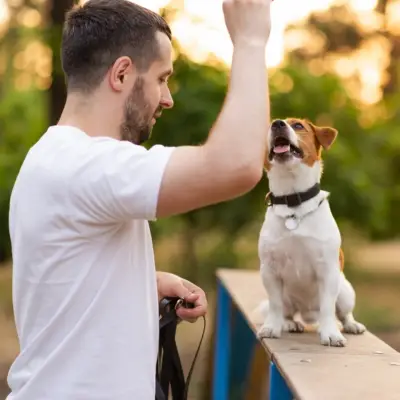
- Physical Enrichment: Encouraging exercise and play through activities like agility and walking.
- Sensory Enrichment: Introducing new sights, sounds, textures, and scents to keep your dog curious.
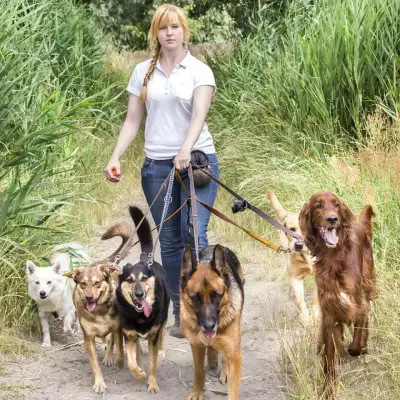
- Social Enrichment: Creating opportunities for positive interactions with people and other animals.
- Cognitive Enrichment: Challenging your dog’s mind with training and problem-solving games.
11 Enrichment Activities for Dogs
The following enrichment activities for dogs are designed to stimulate their senses, challenge their minds, and encourage natural behaviours in fun, rewarding ways. Try mixing a few throughout the week to keep your dog engaged and mentally active.
1. Snuffle Mats for Mealtime Fun
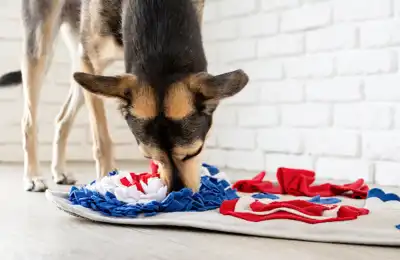
A snuffle mat is a great way to turn dinner into a game. Scatter your dog’s kibble or treats among the fabric strips and let them use their nose to search. This activity mimics natural foraging and provides excellent mental enrichment for dogs. It slows down fast eaters and encourages calm, focused behaviour.
2. Puzzle Feeders and Food Games
Puzzle feeders encourage dogs to think before they eat. You can buy puzzle toys or make your own using muffin tins covered with tennis balls. Place a treat under each ball and let your dog figure out how to uncover it. This type of food game provides both cognitive and nutritional enrichment.
3. DIY Homemade Brain Games
Roll up treats in a towel, hide them inside cardboard boxes, or create a “treat tube” from an old toilet roll. These homemade dog enrichment toys keep your dog busy and challenge them to problem-solve in creative ways.
4. Scent Trails and Nose Work
Dogs experience the world primarily through their sense of smell. Setting up scent trails or hiding treats around the garden taps into this instinct. Start easy, then increase the challenge by hiding items under leaves or in boxes. This enrichment activity for dogs helps reduce anxiety and promotes concentration.
5. Non-Food Enrichment Activities
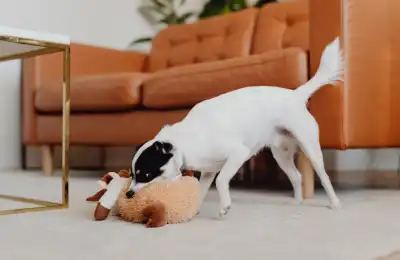
Not all dogs are food-motivated, so you could play games like hide and seek, fetch, or tug-of-war. You can also hide your dog’s favourite toy somewhere in the house for them to find. These games encourage exploration and play while keeping the experience positive and rewarding.
6. Social Enrichment Through Interaction
Social time is an important part of canine enrichment activities. Arrange safe playdates with other friendly dogs, visit dog-friendly cafes, or spend quality time training and playing together. Social enrichment builds confidence and strengthens the bond between you and your dog.
7. Training and Learning New Tricks
Teaching new tricks or reinforcing old ones is excellent cognitive enrichment. Try teaching your dog to spin, fetch named toys, or walk calmly on a lead. Learning keeps their mind active and helps maintain discipline.
8. Environmental Enrichment at Home
Create cosy corners, rotate toys weekly, or allow safe access to a window where your dog can watch the world go by. These enrichment activities add variety and help your dog feel secure and entertained in their environment.
9. Adventure Walks and New Experiences
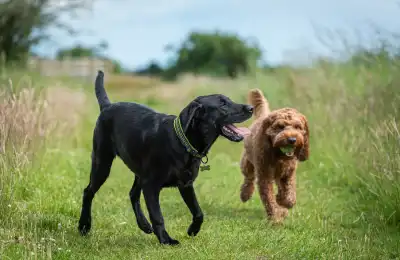
Exploring new routes or parks adds variety and excitement to your dog’s daily routine. Take your time and allow your dog to sniff and investigate new smells. This form of enrichment combines sensory and physical stimulation, offering valuable opportunities to explore safely and confidently.
10. Calming Enrichment and Relaxation
Lick mats, chew toys, and gentle grooming sessions encourage relaxation, while soft background music and scent diffusers with dog-safe oils can create a peaceful atmosphere. This form of canine enrichment helps soothe anxious dogs and promotes rest after busy days.
11. Obstacle Courses and Physical Play
Creating a mini obstacle course at home is a fun way to combine physical and mental enrichment. Use cushions, chairs, and tunnels for your dog to navigate. Keep sessions short and positive, rewarding your dog for effort and enthusiasm. These games build coordination and confidence.
Frequently Asked Questions
How long should enrichment activities last?
The ideal length depends on your dog’s age, breed, and energy level. Most dogs benefit from 10–20 minutes of focused enrichment at a time. Puppies and senior dogs may prefer shorter sessions spread throughout the day, while high-energy breeds often enjoy longer challenges. The goal is to keep your dog interested, not exhausted.
Can enrichment activities replace daily walks?
Enrichment should complement walks, not replace them. Walks provide physical exercise and mental stimulation through exploration and scenting, while enrichment adds variety and depth to your dog’s routine. Combining both ensures your dog’s needs are fully met.
Do older dogs benefit from enrichment?
Senior dogs need stimulation just as much as younger ones, though activities should be gentle and suited to their physical abilities. Soft chew toys and slow puzzle feeders can help keep older dogs mentally sharp and emotionally content.
How can I make enrichment part of a busy routine?
Try turning everyday moments into enrichment opportunities: feeding from puzzle toys, hiding treats before leaving the house, and letting your dog sniff on walks. Small, consistent efforts have a big impact on your dog’s well-being.
Recommended for you!
Best SellersStudy Our Canine Communication Diploma for £29
Understanding your dog’s body language and behaviour helps you choose the most effective enrichment activities. The Canine Communication Diploma Course offers a detailed look at how dogs think, feel, and communicate. For a limited time, you can enrol for just £29.