White flowers are timeless. They suit both traditional and modern gardens, pair beautifully with any colour, and often carry deep symbolic meaning. Whether you’re planning a planting scheme, choosing blooms for a special occasion, or simply trying to identify a flower you’ve spotted, you’re in the right place.
What’s in This Guide?
This guide explores a wide range of white flower types, from classic garden favourites to smaller wild blooms you may spot across the UK. You’ll find descriptions, flowering seasons, growing habits, and helpful identification details, alongside pictures to make recognising different varieties easier.
Jump to:
- Why White Flowers Are So Popular
- Rose – A Timeless Classic
- Lily – Elegant and Fragrant
- Tulip (White Varieties) – Clean and Refined
- Daisy – Simple and Cheerful
- Jasmine – Star-Shaped and Sweetly Scented
- Hydrangea – Soft Clusters of White
- Baby’s Breath – Delicate and Airy
- Camellia – Glossy and Perfectly Formed
- Magnolia – Large and Striking
- White Flowering Bushes and Shrubs
- Small White Flowers for Borders and Lawns
- Trees with White Flowers
- White Flowers Meaning and Symbolism
- What Is the Rarest White Flower?
- What Is the Most Beautiful White Flower in the World?
- What Are the Fluffy White Flowers Called?
- What Is the White Flower That Flies Away?
- Choosing White Flowers for Your Garden
- Study Floristry for £29
Why White Flowers Are So Popular
White flowers are often associated with simplicity, peace, and elegance. In garden design, they brighten darker corners and stand out clearly at dusk. They’re especially popular in evening gardens because the pale petals seem to glow in low light.
You’ll also see white blooms used in weddings and formal arrangements. The symbolism of white flowers is frequently linked to purity and new beginnings, which explains their popularity in bridal bouquets.
From cottage gardens to contemporary spaces, white flowers create a calming atmosphere. They work well alongside bold colours or as part of a soft, neutral scheme.
1. Rose – A Timeless Classic
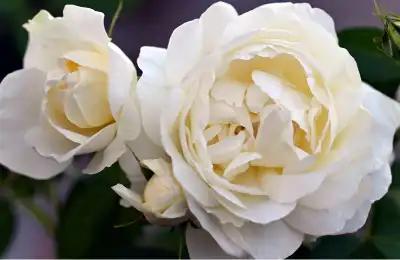
White roses are deeply symbolic and widely grown in gardens across the UK. There are many varieties, ranging from climbing types that cover arches to compact shrubs shaped neatly in formal borders. You might spot bush roses in traditional gardens, where they’re carefully pruned to maintain structure and encourage repeat flowering throughout the season.
White roses are traditionally linked with innocence and respect. While red roses are associated with romance, white roses are often chosen for weddings and remembrance occasions. Their soft fragrance and layered petals make them one of the most recognisable and enduring flowers in the world.
- Latin name: Rosa
- Flowering season: Late spring to autumn
- Plant type: Shrub or climber
2. Lily – Elegant and Fragrant
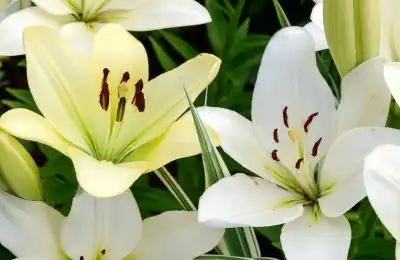
Lilies are among the most dramatic pale blooms you can grow. Their large petals, prominent stamens, and strong fragrance ensure they stand out in both gardens and floral arrangements. Some varieties, such as the Madonna lily, have been cultivated for centuries and are steeped in cultural and religious history.
They’re often associated with purity and devotion, which explains their frequent appearance in ceremonies and artwork. Lilies also make striking cut flowers, lasting well in vases when properly cared for.
- Latin name: Lilium
- Flowering season: Summer
- Plant type: Bulb
3. Tulip (White Varieties) – Clean and Refined
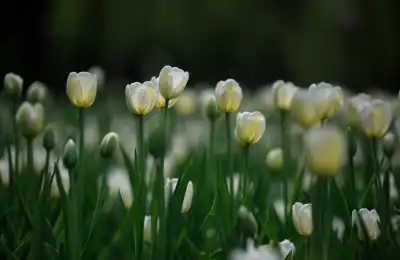
White tulips bring a fresh, structured look to spring gardens, with their smooth petals and upright stems, making them especially popular in modern planting schemes and minimalist displays. Planted in groups, they create a calm and unified effect.
These tulips are often associated with forgiveness and new beginnings, which is why they’re sometimes included in sympathy bouquets or thoughtful gifts. They also combine beautifully with pastel shades for a soft seasonal display.
- Latin name: Tulipa
- Flowering season: Spring
- Plant type: Bulb
4. Daisy – Simple and Cheerful
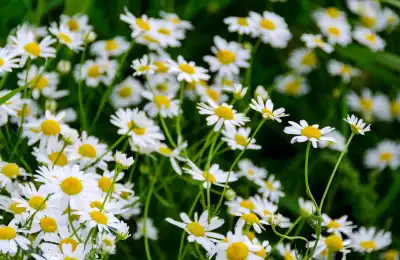
Daisies are familiar, easy to grow, and instantly recognisable. Although they have a yellow centre, their bright petals make them a staple in many wildflower meadows and lawns. They thrive in grass and open spaces, often appearing without much encouragement.
If you’re trying to identify a flower with pale petals and a darker centre, daisies are often the answer, though similar plants such as anemones share a comparable look. Their simplicity gives them a natural charm.
- Latin name: Bellis perennis
- Flowering season: Spring to autumn
- Plant type: Perennial
5. Jasmine – Star-Shaped and Sweetly Scented
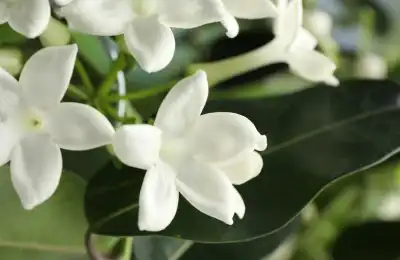
Jasmine produces delicate, star-shaped blooms and a rich, sweet fragrance that becomes stronger in the evening. It’s commonly grown against walls, fences, and trellises, where it can climb and spread gracefully. The small white flowers contrast beautifully against deep green leaves.
Because of its scent, jasmine is often planted near seating areas or doorways so you can fully enjoy its perfume during warmer months. It adds both softness and sensory interest to a garden space.
- Latin name: Jasminum
- Flowering season: Summer
- Plant type: Climber or shrub
6. Hydrangea – Soft Clusters of White
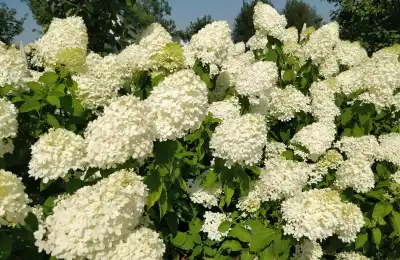
Hydrangeas are known for their large, rounded flower heads made up of many tiny blossoms. These generous clusters can fill borders with texture and volume, creating a soft and romantic effect. They’re particularly striking when planted in groups.
The blooms can remain attractive for weeks and often fade gently into soft green tones as the season progresses. Their long-lasting display makes them a reliable feature plant in summer gardens.
- Latin name: Hydrangea arborescens
- Flowering season: Summer
- Plant type: Shrub
7. Baby’s Breath – Delicate and Airy
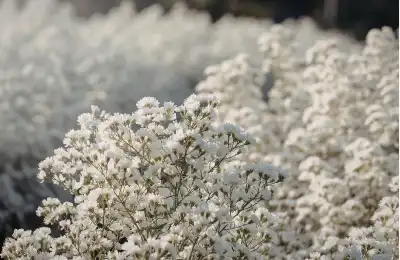
Often used as a supporting flower in bouquets, baby’s breath consists of tiny white blooms scattered along thin, branching stems. The overall effect is light and cloud-like, which is why it’s popular in both fresh and dried arrangements.
Although frequently used as a filler, baby’s breath can also be planted in borders, where it adds softness and movement among larger blooms. Its delicate appearance contrasts beautifully with bold flowers such as roses or peonies.
- Latin name: Gypsophila
- Flowering season: Summer
- Plant type: Perennial or annual
8. Camellia – Glossy and Perfectly Formed
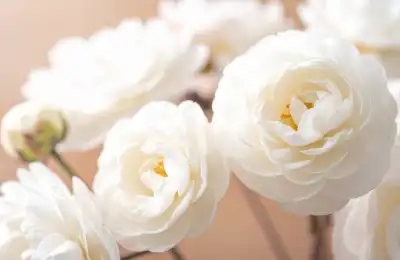
Camellias produce rose-like flowers with smooth, layered petals and glossy evergreen leaves. They bloom in late winter or early spring, bringing brightness to gardens when little else is flowering. Their symmetrical shape gives them a refined, almost sculpted appearance.
These shrubs prefer sheltered spots and slightly acidic soil, where they can thrive for many years. Once established, they become dependable feature plants that return each season.
- Latin name: Camellia japonica
- Flowering season: Late winter to spring
- Plant type: Evergreen shrub
9. Magnolia – Large and Striking
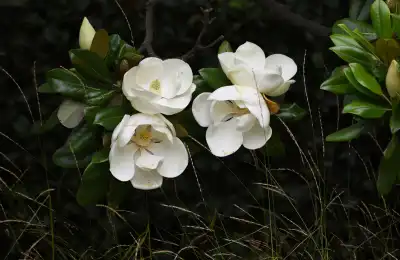
Magnolia trees produce large, cup-shaped flowers that appear before the leaves fully emerge. The blooms can be creamy white or lightly tinted, and their size makes them impossible to ignore. In full flower, the tree becomes a dramatic focal point in the garden.
Magnolias are often planted as standalone feature trees because their spring display is so memorable. Their blossoms also have a subtle fragrance that adds another layer of appeal.
- Latin name: Magnolia grandiflora
- Flowering season: Spring
- Plant type: Tree
White Flowering Bushes and Shrubs
If you’re trying to identify a bush with white flowers, several popular options are commonly found in UK gardens, especially during spring:
- Spirea – A small flowering shrub covered in delicate white clusters during late spring.
- Philadelphus (Mock Orange) – A fragrant shrub with bright blooms, often grown in borders.
- Viburnum – Known for its rounded flower heads and reliable early-season colour.
These shrubs are frequently planted in hedges and garden borders, and they can be especially helpful when you notice dense clusters of white blossoms along branches. Many are classic spring-flowering shrubs, offering some of the earliest colour in the garden year.
Small White Flowers for Borders and Lawns
You may have noticed tiny white flowers appearing in lawns, between paving stones, or along the edges of flower beds. Some of the most common include:
- Sweet Alyssum – A low-growing plant with masses of small blooms and a soft scent.
- Snowdrop – One of the first flowers of the year, often blooming while winter is still fading.
- Candytuft – A neat edging plant that produces compact clusters of white flowers.
These smaller varieties are ideal for ground cover and add a gentle softness to garden spaces.
Trees with White Flowers
In addition to magnolia, several other trees produce beautiful white blooms in spring:
- Hawthorn – Covered in frothy blossom in late spring and loved by wildlife.
- Pear Tree – Produces delicate white flowers before fruit begins to form.
- Rowan – Features airy clusters of blooms that later develop into berries.
Flowering trees are often among the most striking seasonal displays, filling gardens and parks with bright blossoms each year.
White Flowers Meaning and Symbolism
The symbolic meaning of white flowers is often connected to purity and new beginnings. Across many cultures, white flowers represent peace, innocence, and spiritual connection.
The significance of white flowers can vary depending on the species, which is why different blooms are chosen for different occasions. White roses symbolise reverence and purity, white lilies represent devotion, and white tulips are linked to forgiveness.
What Is the Rarest White Flower?
One rare white bloom is the Ghost Orchid, a striking and unusual flower that grows only in very specific conditions. It is notoriously difficult to cultivate and is rarely seen in the wild, which adds to its mystery and appeal among plant enthusiasts.
What Is the Most Beautiful White Flower in the World?
Beauty is always subjective, but many people consider the white orchid one of the most beautiful white flowers because of its delicate shape and elegant structure. Others prefer the magnolia, whose large, creamy blossoms create a dramatic and unforgettable display in spring.
What Are the Fluffy White Flowers Called?
Fluffy white flowers are often hydrangeas or astilbe. Hydrangeas produce rounded clusters made up of dozens of small blooms, giving them a soft, cloud-like appearance. Astilbe has feathery plumes that add texture and movement to borders, making it a popular choice in cottage-style gardens.
What Is the White Flower That Flies Away?
If you’re picturing a white flower that drifts through the air, you’re likely thinking of the dandelion seed head. After the bright yellow flower fades, it forms a round white puffball made of delicate seeds. When the wind catches them, they float away, creating the familiar image many people remember from childhood.
Choosing White Flowers for Your Garden
When selecting white flowers for your garden, consider height, flowering season, and texture to create balance throughout the year. Tall plants such as lilies add vertical interest, while low-growing options like alyssum fill gaps near the soil.
Including a white flower shrub provides structure, and spring bulbs such as tulips offer early colour before summer plants emerge. White blooms pair beautifully with blue and purple flowers for contrast, or with soft greens for a calm and understated planting scheme.
Recommended for you!
Best Sellers






Study Floristry for £29
If learning about flowers has sparked a deeper interest, you may enjoy exploring floristry in more detail. Understanding flower varieties, colour symbolism, and arrangement techniques opens up creative and professional opportunities. We offer a Floristry Diploma Course designed for all levels, whether you’re learning for personal enjoyment or considering a new career path. Enrol today for a discounted price of £29!