Your wedding bouquet is more than just flowers; it’s something you held while walking down the aisle, something that appears in photographs you will treasure for years, and something tied closely to how the day felt. It’s no surprise that many people wonder what to do with their wedding bouquet after the celebrations are over.
Learning how to preserve your bridal bouquet allows you to turn something fleeting into a lasting keepsake. Whether you want to display it in your home or simply save a single flower for a memory box, there are many ways to do this. This guide walks you through the different options for preserving a bridal bouquet so you can create a meaningful keepsake from your special day.
Jump to:
- Why Preserve a Wedding Bouquet
- Is It Too Late to Preserve My Wedding Bouquet?
- How Do I Preserve My Wedding Bouquet Myself?
- How to Reduce the Risk of Mould When Pressing Flowers
- Why Freeze Drying Is Usually Done by Professionals
- What to Do With Your Pressed Wedding Flowers
- Turn Your Passion for Weddings Into a Career
Why Preserve a Wedding Bouquet?
If you’re wondering what to do with your bridal bouquet after the wedding, preserving it is a popular option. Flowers are deeply symbolic and often chosen with care, reflecting colour themes, seasons, birthdays, and personal stories. Preserving a bridal bouquet allows you to:
- Keep a physical reminder of your wedding day.
- Display your bouquet as part of your home décor.
- Create a wedding bouquet keepsake that can be passed down.
- Repurpose flowers into art, jewellery, or framed displays.
Is It Too Late to Preserve My Wedding Bouquet?
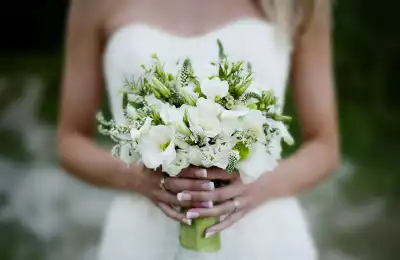
If your bouquet is only a few days old and has been kept cool and out of direct sunlight, you may still be able to preserve the wedding bouquet flowers successfully. Some methods, such as air drying or pressing, can work even after the wedding day itself, though fresher flowers always give better results.
If flowers have already started to brown or soften, preservation becomes more difficult – but individual blooms or petals may still be salvageable.
How Do I Preserve My Wedding Bouquet Myself?
Preserving a bridal bouquet at home is absolutely possible, and many people enjoy the hands-on nature of doing it themselves. Choosing the right method depends on the type of flowers in your bouquet and what you would like the final result to look like. Some methods focus on keeping the bouquet’s shape, while others work better for creating artwork or keepsakes from individual petals. Below are the most popular DIY approaches, along with explanations of how each one works.
Dry Your Wedding Bouquet Using the Air-Drying Method
For anyone researching how to dry wedding bouquet flowers without specialist equipment, this is often the easiest place to begin. Wedding bouquet drying is one of the most traditional and accessible ways to preserve flowers at home; it works particularly well for sturdy blooms such as roses, lavender, baby’s breath, and eucalyptus, which hold their shape as they dry.
To air dry your bouquet, start by removing excess foliage and any damaged petals. Tie the stems together securely and hang the bouquet upside down in a dark, dry, and well-ventilated space, such as an airing cupboard or spare room. Leave it undisturbed for two to four weeks.
Air drying allows flowers to dry naturally while keeping their overall form, although colours may deepen or fade slightly over time. This method is ideal if you’re aiming for a rustic or vintage look and plan to display the bouquet as a whole.
Press Individual Flowers or Petals for Framing and Artwork
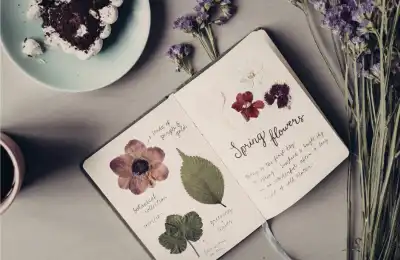
Pressing flowers creates a completely different result from drying a full bouquet. Instead of preserving the three-dimensional shape, pressing flattens flowers and petals, making them suitable for frames and albums. To press individual flowers or petals:
- Prepare the flowers: Gently separate individual flowers or petals and make sure they are completely dry on the surface. Remove thick stems and any damaged parts, as these can trap moisture and cause discolouration.
- Press between absorbent paper: Place the flowers between two sheets of plain, dry absorbent paper, such as blotting paper or baking parchment. Arrange them carefully so petals are not overlapping, then place the paper inside a heavy book or a flower press.
- Leave to dry and check regularly: Keep the flowers pressed for two to four weeks. Check every few days at first and replace the paper if it becomes damp. Once fully dry, the flowers should feel papery and flat, ready for framing or crafting.
This method works best when you select individual petals or small blooms rather than attempting to press an entire bouquet. Delicate flowers such as daisies, pansies, and small wildflowers usually press more successfully, while thick, moisture-heavy blooms such as lilies and succulents tend to rot rather than dry.
Pressed flowers are often chosen when the goal is to create artwork or a small wedding bouquet keepsake rather than a large display arrangement.
Use Silica Gel to Preserve Shape and Detail at Home
Silica gel is a popular option for people looking to preserve a flower bouquet at home while keeping the flowers’ shape and structure intact. This method works especially well for roses and other structured blooms commonly found in bridal bouquets.
To use silica gel, gently bury each flower in the crystals inside an airtight container, making sure petals are supported and not crushed. Once sealed, the container should be left undisturbed for several days until the flowers are fully dry.
Silica gel preservation produces more vibrant results than air drying but requires careful handling, as dried flowers can be fragile once removed.
Protect Dried Flowers with Floral Sealants
Floral sealants and preservation sprays are available from craft suppliers and are designed to protect dried flowers from moisture and fading. These sprays help extend the life of dried or pressed flowers without damaging their texture.
Some people explore whether they can make their own floral preservative using ingredients like glycerine and water. While these solutions can work for foliage, they are generally less effective for preserving full bouquets or delicate blooms.
Hairspray is often mentioned as a quick fix for preserving flowers, but it does not truly preserve them. While hairspray can temporarily stiffen petals and reduce shedding, it coats the surface of the flower, making it brittle over time.
On roses in particular, hairspray can lead to discolouration and attract dust. Better alternatives include silica gel, proper drying techniques, or floral sealant sprays specifically designed for preservation.
How to Reduce the Risk of Mould When Pressing Flowers
One of the most common concerns with pressing flowers is mould. This usually occurs when moisture becomes trapped during the drying process.
To lower the risk, always use completely dry paper rather than glossy or coated sheets. Space flowers apart so air can circulate, and replace the paper every few days, especially during the first week. Keeping the flower press in a dry environment also makes a noticeable difference.
Patience plays a large role here. Pressing flowers that are already damp or rushing the process increases the likelihood of spoilage and staining.
Why Freeze Drying Is Usually Done by Professionals
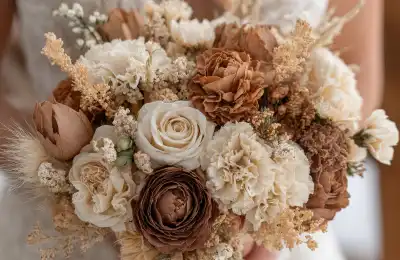
Freeze drying flowers is one of the most effective ways to preserve a wedding bouquet while maintaining colour and shape, and is usually the method that professionals will favour. The process removes moisture without collapsing the flower structure, resulting in a preserved bouquet that often looks close to how it did on the wedding day.
Because freeze drying requires specialist equipment, it is usually handled by professionals. Professionally preserved bouquets are often displayed in glass cases or shadow boxes and are designed to last for many years.
What to Do With Your Pressed Wedding Flowers
Once you have preserved your bouquet, the next step is deciding what to do with a dried wedding bouquet. There are many creative ways to turn it into something meaningful. Popular ideas include:
- Framed floral displays
- Glass domes or shadow boxes
- Decorative wreaths
- Wedding bouquet keepsake jewellery
- Memory boxes containing petals and notes
Showcase your flowers in a way that feels personal to you, whether that’s displaying them for everyone to admire, or tucking them away in a private memory box.
Recommended for you!
Best Sellers







Turn Your Passion for Weddings Into a Career
If you have a deeper interest in wedding planning, design, and organisation, there are ways to turn that curiosity into practical skills. Our Wedding Planner Business Diploma Course is designed for people who want to learn how weddings come together behind the scenes, covering planning, styling, client management, and business setup. Enrol today for just £29!