Purple flowers have a way of capturing attention without being overpowering. They’re associated with creativity, calm, romance, and even mystery, which makes them especially popular in gardens and floral arrangements.
What’s in This Guide?
This guide walks you through different types of purple flowers, explaining their names, appearance, and characteristics. Each section includes pictures of purple flowers alongside their names to help you identify plants you may have seen in gardens, the countryside, or floral arrangements.
Jump to:
Why Purple Flowers Are So Popular
Purple sits between warm and cool tones, which gives it a unique balance, and in nature, this colour often signals richness and depth. Gardeners love purple flowers because they pair beautifully with greens, whites, yellows, and pinks, while florists often use them to add elegance and meaning to bouquets.
From pale lilac to deep plum shades, purple-coloured flowers cover a wide range of plants, from delicate wildflowers to bold statement blooms. This variety makes purple flowers suitable for almost every setting, from cottage gardens to formal displays.
1. Lavender – A Timeless Favourite
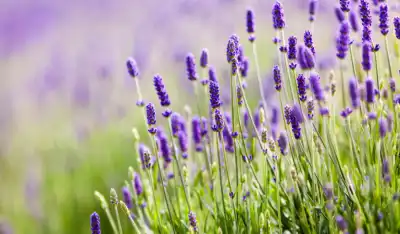
Lavender is one of the most recognisable purple coloured flowers and is often the first plant people think of when imagining soft, calming purple tones. It is especially popular in UK gardens thanks to its fragrance and resilience.
Lavender has narrow green leaves and tall spikes of small purple flowers with a soothing scent. It thrives in sunny spots with well-drained soil. It’s closely linked with calm and healing, and is widely used in oils, sachets, dried arrangements, and ornamental planting.
Lavender belongs to the genus Lavandula, which sits within the mint family, Lamiaceae. Common lavender types include:
- English lavender (Lavandula angustifolia)
- French lavender (Lavandula dentata)
- Spanish lavender (Lavandula stoechas)
- Dwarf lavender varieties
- Tall flowering lavender plants
2. Roses – Purple Varieties with a Romantic Twist
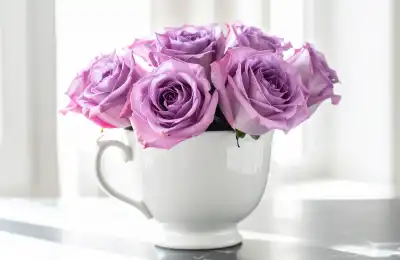
While red roses represent passion, purple roses are associated with admiration, enchantment, and emotional depth.
Purple rose varieties range from soft lilac shades to deep violet tones and work beautifully in both gardens and bouquets. Roses are usually easy to recognise thanks to their layered petals and thorny stems.
Roses belong to the genus Rosa in the family Rosaceae. Popular purple rose types include:
- Pale lilac roses
- Deep violet roses
- Lavender-toned hybrid roses
- Old garden purple roses
3. Allium – Bold and Architectural
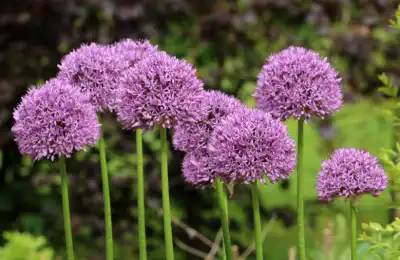
Alliums are known for their large, globe-shaped flower heads that instantly stand out in garden borders.
Each flower head is made up of dozens of tiny purple blooms held on tall, sturdy stems. These flowers add height and structure and look especially dramatic when planted in groups.
Alliums belong to the genus Allium, part of the Amaryllidaceae family. Common allium varieties include:
- Giant purple alliums (Allium giganteum)
- Medium-height garden alliums
- Star-shaped ornamental alliums
- Compact border alliums
- Late-spring flowering alliums
4. Violet – Small but Full of Meaning
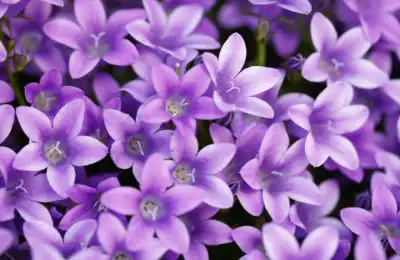
If you’re looking specifically for violet-coloured flowers, then violets fit the brief perfectly. Recognised for their heart-shaped leaves and delicate blooms, they’re often found in woodland areas and shaded gardens.
There are several different types of violet flowers/ In the UK, these plants appear in spring and are a sign of warmer weather approaching.
Violets belong to the genus Viola in the family Violaceae. Common violet types include:
- Sweet violets (Viola odorata)
- Dog violets (Viola riviniana)
- Horned violets (Viola cornuta)
- Woodland violet plants
- Garden-grown viola varieties
5. Iris – Elegant and Eye-Catching
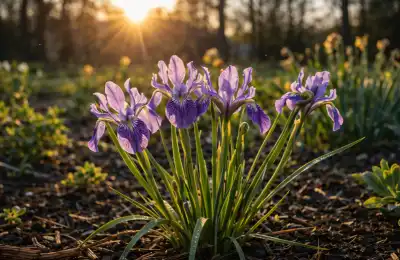
Irises are known for their dramatic shape and rich purple tones. Their petals often feature intricate markings, which makes them especially appealing in close-up views.
Irises grow from rhizomes or bulbs and prefer sunny positions with well-drained soil. They’re often associated with wisdom, hope, and respect, and their bold form makes them ideal focal plants.
Irises belong to the genus Iris in the family Iridaceae. Common purple iris types include:
- Bearded irises (Iris germanica)
- Siberian irises (Iris sibirica)
- Japanese irises (Iris ensata)
- Dwarf iris varieties
- Tall border irises
6. Lilac – A Springtime Favourite
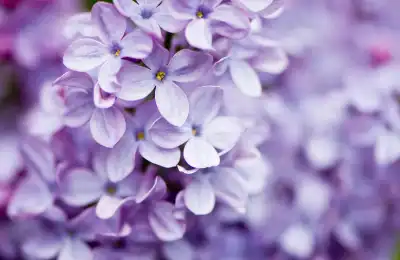
Lilacs are loved for their soft purple colour and strong fragrance. These shrubs produce clusters of small purple or pinkish-purple flowers in late spring, filling gardens with scent.
Lilac bushes can grow quite large, making them ideal for borders, hedging, or garden backdrops. Their gentle tones make them a lovely addition to your garden or floral arrangements.
Lilacs belong to the genus Syringa in the olive family, Oleaceae. Common lilac types include:
- Common lilac (Syringa vulgaris)
- Pale lavender lilacs
- Deep purple lilac varieties
- Compact lilacs for smaller gardens
- Traditional cottage garden lilacs
7. Clematis – A Climbing Beauty
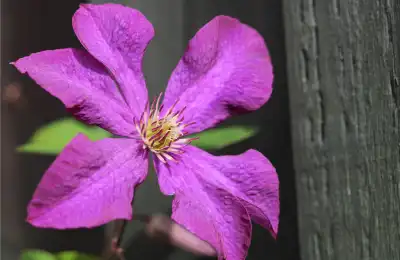
Clematis is a climbing plant known for its large, star-shaped purple flowers that bring colour to vertical spaces. It’s often grown over fences, trellises, arches, and walls, making it a popular choice for smaller gardens where height is needed.
Clematis varieties range from pale lavender shades to deep, dark purple flowers with rich plum and violet tones. Different types flower at different times of the year, which means it is possible to enjoy purple clematis blooms from spring through to late summer.
Clematis belongs to the genus Clematis in the buttercup family, Ranunculaceae. Common clematis types include:
- Large-flowered purple clematis
- Early-flowering clematis varieties
- Late-summer flowering clematis
- Deep violet climbing clematis
8. Wisteria – Cascading Purple Elegance

Wisteria is famous for its long, hanging clusters of purple flowers that create a dramatic and romantic display. It is commonly seen growing over pergolas, archways, and the fronts of houses, where it can transform outdoor spaces.
These purple flowers bloom in late spring and are highly fragrant. Although beautiful, wisteria requires regular pruning to keep it manageable and encourage healthy flowering.
Wisteria belongs to the genus Wisteria in the legume family, Fabaceae. Popular wisteria types include:
- Chinese wisteria (Wisteria sinensis)
- Japanese wisteria (Wisteria floribunda)
- Pale lavender wisteria varieties
- Deep purple flowering wisteria
9. Purple Heart Plant – A Bold Foliage Choice
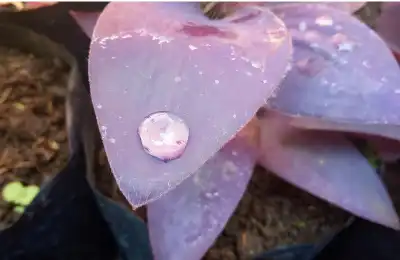
The Purple Heart plant, also called Tradescantia pallida, is best known for its deep purple leaves rather than its small pinkish-purple flowers.
It’s valued for its strong colour, trailing growth habit, and ease of care, making it popular with beginner gardeners. You'll often see it grown as ground cover or kept as a houseplant.
Purple Heart belongs to the genus Tradescantia in the spiderwort family, Commelinaceae. Common forms include:
- Purple Heart ground cover plants
- Trailing purple heart houseplants
- Compact decorative purple heart varieties
- Outdoor-grown purple foliage plants
10. Foxglove – Tall and Traditional
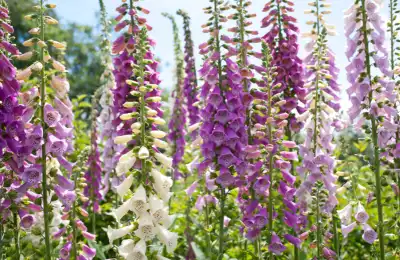
Foxgloves are tall, upright plants covered in bell-shaped purple flowers that grow along a central spike. They’re a familiar sight in cottage gardens, woodland edges, and informal planting schemes.
These tall purple flowers bloom in early summer and are highly attractive to bees. While visually striking, foxgloves are toxic if ingested, so care should be taken around pets and children.
Foxgloves belong to the genus Digitalis in the plantain family, Plantaginaceae. Common foxglove types include:
- Common foxglove (Digitalis purpurea)
- Pale purple foxglove varieties
- Deep violet foxgloves
- Spotted bell-shaped foxgloves
- Wild and garden-grown foxgloves
11. Buddleja – The Purple Invasive Flower in the UK
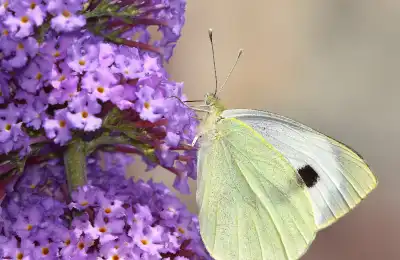
Buddleja, often called the butterfly bush, produces long cone-shaped clusters of purple flowers that attract butterflies and bees throughout summer.
It’s frequently referred to as the invasive flower in the UK, as, while it’s loved by pollinators, it spreads easily and can grow in unexpected places such as walls, railway lines, and pavements.
Buddleja belongs to the genus Buddleja in the figwort family, Scrophulariaceae. Common buddleja types include:
- Purple butterfly bush varieties
- Deep violet buddleja plants
- Compact buddleja for small gardens
- Tall, spreading buddleja shrubs
- Wildlife-friendly buddleja varieties
12. Verbena – Light and Airy
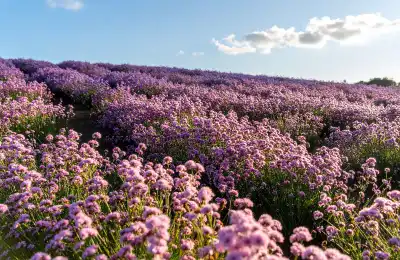
Verbena produces clusters of small purple flowers held on slender stems, giving it a light and airy appearance. It works well in garden borders and hanging baskets, adding gentle colour without feeling heavy.
These purple flowers bloom over a long period, often from early summer into autumn, making verbena a reliable choice for ongoing colour. It is also popular with pollinators.
Verbena belongs to the genus Verbena in the vervain family, Verbenaceae. Popular verbena types include:
- Tall purple verbena bonariensis
- Low-growing garden verbena
- Trailing verbena for baskets
- Pale lavender verbena varieties
- Long-flowering purple verbena plants
Meaning and Symbolism of Purple Flowers
Purple flowers are commonly associated with creativity and emotional depth. Historically, purple was linked with royalty and luxury because purple dyes were rare and expensive, which has given the colour long-standing associations with prestige and importance. Today, purple blooms often feel thoughtful and expressive.
In more reflective settings, purple flowers can also carry a spiritual or calming meaning. They’re sometimes chosen to represent respect, remembrance, or inner peace.
Purple Flowers and Love
Purple flowers symbolise admiration, enchantment, and meaningful emotional connection. This makes them ideal for expressing affection that goes beyond surface-level romance.
Lighter shades of purple often suggest gentleness and emotional understanding, while darker purple flowers can represent deep devotion and lasting bonds. Because of this balance, purple flowers can be given to partners or someone you deeply respect without feeling overly romantic.
Choosing Purple Flowers for Your Garden
When choosing purple flowers for your garden, think about how different shades will work together across the seasons. Tall purple flowers such as lavender, foxgloves, and alliums add height and structure to borders, while lower-growing plants like violets and verbena work well at the front or in containers.
Purple pairs beautifully with many other colours. Combined with white flowers, it creates a calm and elegant look, while pairing purple with pink or blue produces a softer, more romantic feel. Mixing deep and pale purple tones can also add depth and interest without overwhelming the space.
Recommended for you!
Best Sellers






Study Floristry for £29
If learning about flowers has sparked a deeper interest, you may enjoy exploring floristry in more detail. Understanding flower varieties, colour symbolism, and arrangement techniques opens up creative and professional opportunities. We offer a Floristry Diploma Course designed for all levels, whether you’re learning for personal enjoyment or considering a new career path. Enrol today for a discounted price of £29!