Blue flowers have a calm, reassuring presence that feels instantly familiar. Blue often symbolises peace, trust, love, and reflection, which makes it especially popular for gardens, weddings, and meaningful gifts.
What makes blue-coloured flowers so fascinating is how rare they truly are in nature. Many flowers appear blue at first glance, yet closer inspection reveals hints of violet, purple, or green.
What’s in This Guide?
This guide explores a wide range of blue flower types, from familiar garden favourites to unusual and symbolic blooms. You’ll find descriptions, flowering seasons, and gentle growing guidance, alongside pictures to help with identification.
Jump to:
- Are There Any Flowers That Are Naturally Blue?
- Bluebell – Soft and Woodland-Friendly
- Forget-Me-Not – Gentle and Meaningful
- Cornflower – Bright and Traditional
- Delphinium – Tall and Dramatic
- Hydrangea – Colour-Changing and Abundant
- Gentian – Deep and True Blue
- Iris – Structured and Elegant
- Morning Glory – Bright and Time-Specific
- Blue Anemone – Soft and Seasonal
- Lobelia – Compact and Versatile
- Blue Poppy – Rare and Remarkable
- Butterfly Pea – Exotic and Eye-Catching
- What Are the Most Common Blue Flowers?
- What Plant Has the Truest Blue Flowers?
- What Are Popular Blue Spring Flowers?
- What Blue Flowers are Available in October?
- Which Is the Most Beautiful Blue Flower?
- What Are the Blue Flowers for Love and Happiness?
- Study Floristry for £29
Are There Any Flowers That Are Naturally Blue?
Naturally blue blooms are uncommon, but not unheard of. True blue pigment is rare in plants, and many blue flowers actually rely on light reflection and plant chemistry rather than pure blue colouring.
Some plants, however, come very close to what gardeners consider true blue flowers. These blooms are especially prized in gardens and floristry for their depth and clarity of colour.
1. Bluebell – Soft and Woodland-Friendly
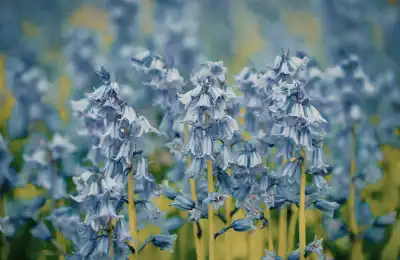
Bluebells are among the most recognisable blue flowers in the UK. Their delicate, nodding bells create carpets of blue in spring woodlands and shaded gardens.
These small blue flowers bloom in mid to late spring and are strongly associated with British landscapes. Bluebells are often considered true blue flowers in the UK, although their colour can vary slightly depending on soil conditions.
- Latin name: Hyacinthoides non-scripta
- Flowering season: Spring
- Plant type: Perennial bulb
2. Forget-Me-Not – Gentle and Meaningful
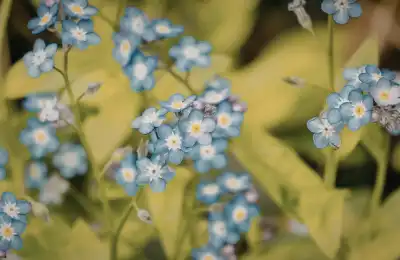
Forget-me-nots are small blue flowers with a simple, cheerful appearance. Their bright centres make them easy to recognise, especially in borders and cottage gardens.
They’re often linked with remembrance and affection, making them popular blue flowers for love. These blooms are also commonly associated with joy and emotional connection.
- Latin name: Myosotis
- Flowering season: Spring to early summer
- Plant type: Annual or perennial
3. Cornflower – Bright and Traditional
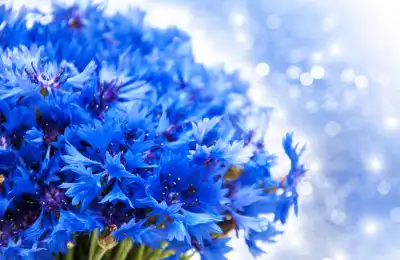
Cornflowers are vibrant, daisy-like blooms that stand out clearly in meadows and wildflower gardens. They’re easy to grow and attract pollinators, making them ideal for naturalistic blue flower beds.
Their clear blue colour holds well in both sunny and open locations, adding brightness without overpowering nearby plants. Cornflowers are also commonly used in cut flower arrangements, where their simple shape and colour bring a relaxed, traditional feel.
- Latin name: Centaurea cyanus
- Flowering season: Summer
- Plant type: Annual
4. Delphinium – Tall and Dramatic
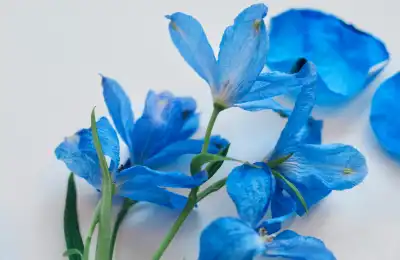
Delphiniums are among the most popular blue flowers for borders and formal gardens. Their tall spikes of blue blossoms make them highly visible and elegant.
They create a strong vertical structure that adds depth and balance to planting schemes, especially when grown in groups. Their classic appearance works well in both traditional gardens and formal floral designs, and they’re also a common blue wedding flower due to their height and rich colour.
- Latin name: Delphinium
- Flowering season: Summer
- Plant type: Perennial
5. Hydrangea – Colour-Changing and Abundant
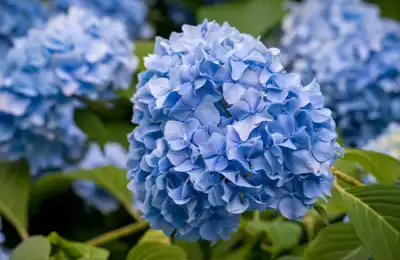
Hydrangeas are well known for their ability to change colour based on soil acidity. In acidic soils, many varieties produce striking blue blooms. Their large, rounded flower heads create a full and abundant look that works beautifully in both gardens and cut arrangements. Blue hydrangeas are widely used in bouquets and floral arrangements.
Like delphiniums, they’re especially popular for weddings and events, where their soft colour and generous size help fill space while maintaining an elegant feel.
- Latin name: Hydrangea macrophylla
- Flowering season: Summer to autumn
- Plant type: Shrub
6. Gentian – Deep and True Blue
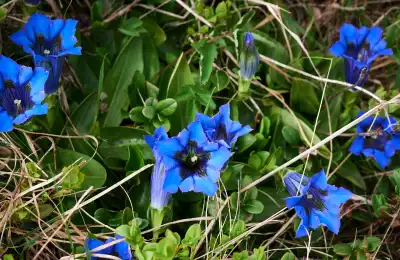
Gentians are often described as having the purest blue flowers found in nature. Their intense colouring makes them a standout in alpine gardens and rockeries.
Gentians come very close to being a true blue flower, and their colour remains vivid even in bright sunlight. This quality makes them especially appealing to gardeners seeking clear, saturated blue tones. Despite their striking appearance, they tend to stay low-growing, allowing them to blend naturally into rock and gravel planting schemes.
- Latin name: Gentiana
- Flowering season: Summer to early autumn
- Plant type: Perennial
7. Iris – Structured and Elegant
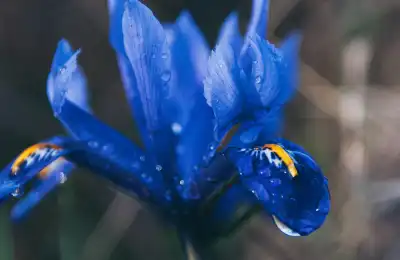
Irises come in many shades, but blue varieties are particularly admired for their intricate petal patterns and architectural shape.
These striking blue flowers are used in formal gardens and hold symbolic meaning linked to wisdom and hope. Because they return reliably each year, irises are a popular choice for gardeners who want long-lasting structure with minimal maintenance.
- Latin name: Iris
- Flowering season: Late spring to early summer
- Plant type: Perennial
8. Morning Glory – Bright and Time-Specific
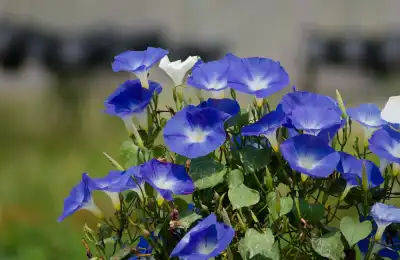
Morning glories are known for their trumpet-shaped flowers that open early in the day.
These blue flowers only bloom in the morning, and their brief daily display adds a sense of rhythm and anticipation to gardens.
Morning glories are fast-growing climbers that are especially effective on fences, trellises, and arches where their flowers can be enjoyed up close.
- Latin name: Ipomoea
- Flowering season: Summer
- Plant type: Annual climber
9. Blue Anemone – Soft and Seasonal
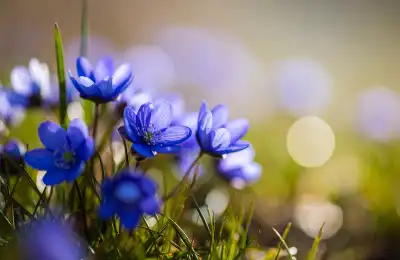
Blue anemones produce open, star-like flowers with a gentle, calming appearance. They’re often seen in spring gardens and woodland settings.
These blooms are sometimes linked with remembrance, especially in symbolic floral arrangements. Their low-growing habit makes them ideal for planting beneath trees or along shaded garden paths.
- Latin name: Anemone blanda
- Flowering season: Spring
- Plant type: Perennial
10. Lobelia – Compact and Versatile
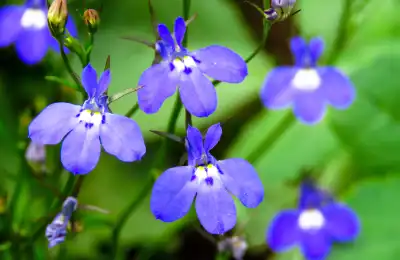
Lobelias are small blue flowers commonly used in hanging baskets, containers, and edging. Their intense colour makes them ideal for filling gaps in blue flower beds. They’re especially popular in summer displays and pair well with white or pale yellow blooms.
Because they flower continuously through the season, lobelias provide dependable colour with very little effort.
- Latin name: Lobelia erinus
- Flowering season: Summer
- Plant type: Annual
11. Blue Poppy – Rare and Remarkable
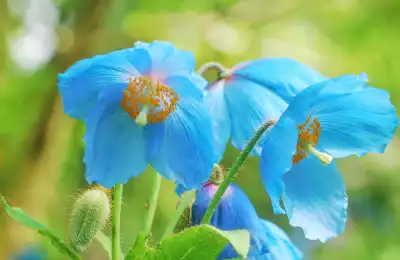
The blue poppy is often considered the rarest blue flower, and its vivid colour and specific growing requirements make it highly sought after. These flowers thrive in cool, moist environments and are thought of as one of the most beautiful blue flower varieties by many gardeners.
Due to their sensitivity, blue poppies are best suited to experienced gardeners or specialist planting conditions.
- Latin name: Meconopsis
- Flowering season: Late spring to early summer
- Plant type: Perennial
12. Butterfly Pea – Exotic and Eye-Catching
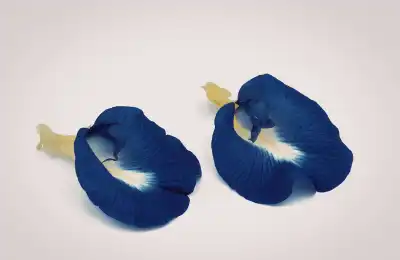
If you’ve heard of a blue butterfly flower, it’s likely the butterfly pea. Its rich blue petals are often used in teas and natural dyes.
This plant is also known for attracting pollinators like bees. In warmer climates, it grows quickly and produces flowers regularly throughout the summer months.
- Latin name: Clitoria ternatea
- Flowering season: Summer
- Plant type: Climber
What Are the Most Common Blue Flowers?
The most common blue flowers include bluebells, forget-me-nots, cornflowers, delphiniums, and hydrangeas. These plants are widely grown and adaptable to many garden styles. Their popularity comes from the fact that they suit both beginner gardeners and more experienced growers.
What Plant Has the Truest Blue Flowers?
Gentians and certain delphiniums are known for having the truest blue flowers, with intense, clear blue shades that hold strong even in bright sunlight.
What Are Popular Blue Spring Flowers?
Popular blue spring flowers include bluebells, anemones, forget-me-nots, and grape hyacinths. These blooms bring early colour to gardens and are often among the first signs of the growing season. They work particularly well when planted in groups, creating a soft wash of colour after winter.
What Blue Flowers are Available in October?
In October, blue flowers such as late-flowering gentians, certain asters, and some hydrangeas can still be found in bloom, depending on weather conditions. These autumn blooms help extend garden colour later into the year when many plants have already faded.
Which Is the Most Beautiful Blue Flower?
The most beautiful blue flower depends on personal taste. Some favour the bold presence of delphiniums, while others prefer the delicate charm of forget-me-nots or the intense colour of gentians. Garden setting, flower size, and personal colour preference often influence this choice just as much as the shade of blue itself.
What Are the Blue Flowers for Love and Happiness?
Blue flowers for love often include forget-me-nots and blue roses (usually dyed), while happiness is commonly associated with bright, open blooms like cornflowers and hydrangeas. These meanings make blue flowers a thoughtful choice for gifts that carry emotional significance without being overly dramatic.
Recommended for you!
Best Sellers





Study Floristry for £29
If learning about flowers has sparked a deeper interest, you may enjoy exploring floristry in more detail. Understanding flower varieties, colour symbolism, and arrangement techniques opens up creative and professional opportunities. We offer a Floristry Diploma Course designed for all levels, whether you’re learning for personal enjoyment or considering a new career path. Enrol today for a discounted price of £29!