As winter softens and daylight begins to stretch into the evenings, many people feel an inner shift towards lightness and growth. The Spring Equinox, also known as the Vernal Equinox or March Equinox, marks this powerful transition.
This blog post explores the meaning of the Spring Equinox, its origins in pagan spring festivals, its continued celebration in modern times, and what makes this turning point in the year so significant both spiritually and scientifically.
Jump to:
What Is the Spring Equinox?
The Spring Equinox occurs when the Sun crosses the celestial equator, resulting in almost equal hours of daylight and darkness across the globe. The word “equinox” comes from the Latin aequus (equal) and nox (night), symbolising this perfect balance between day and night.
This astronomical event marks the official beginning of spring and the end of winter’s long nights. It is the point in the year when the natural world begins to awaken. Flowers start to bloom, animals emerge from hibernation, and the landscape slowly transforms into colour and life once again.
Recommended for you!
Best Sellers
When Is the Spring Equinox?
In the Northern Hemisphere, the Spring Equinox usually falls between 20th and 21st March each year. For those living in the Southern Hemisphere, the event takes place around 22nd or 23rd September, marking the start of their spring season.
Meaning of the Spring Equinox

The Spring Equinox represents balance and awakening. It is a reminder of nature’s cyclical rhythm, reflecting how periods of darkness and stillness are always followed by light and growth.
Spiritually, it is associated with new beginnings. Many people see it as a time to set intentions, refresh routines, and align personal goals with the natural world’s energy of renewal. Just as seeds planted in spring will grow and bloom, the season encourages reflection on the “seeds” we wish to plant in our own lives.
As sunlight increases, the human body naturally produces more serotonin, the hormone linked to happiness and energy. This helps explain why many people feel uplifted or more motivated around this time of year.
Pagan Spring Festivals and Ancient Traditions
Long before modern calendars and clocks, ancient civilisations observed the Spring Equinox through rituals and festivals that honoured fertility and the cycles of nature. Communities would gather to welcome back the Sun and bless the land for a prosperous growing season. Fires were lit to symbolise the returning light, and people celebrated the fertility of both soil and spirit.
One of the most well-known pagan festivals is Ostara. The festival is named after the Germanic goddess Eostre, who represents fertility and new life. Her symbols – hares, eggs, and blossoming flowers – symbolise birth and abundance, and these same symbols later became linked to modern Easter traditions.
In Egypt, the spring season was honoured as a time of resurrection and renewal linked to the god Osiris. In Britain, Stonehenge remains one of the most iconic locations associated with the Spring Equinox. As the Sun rises directly above the stones, it creates a perfect alignment that ancient peoples may have used to mark this balance of light and dark. Today, many gather there to celebrate, observing the same moment of awe that captivated people thousands of years ago.
Modern Rituals and Reflection
There are many ways to welcome the new energy of the season, each inviting you to let go of the old and align yourself with the rhythms of the natural world.
1. Refresh Your Space and Energy
Spring cleaning is both a practical and symbolic ritual, helping to clear stagnant energy and make space for new beginnings. Decluttering a room, reorganising belongings, and airing out your home allows fresh energy to flow.
2. Light a Candle to Welcome the Sun
Lighting a candle is a powerful way to celebrate the return of sunlight. The flame represents warmth and the growing strength of the Sun after winter’s darkness. Taking a quiet moment to focus on the candle’s glow can encourage gratitude for the longer days ahead and bring awareness to your own inner light.
3. Set Intentions for Renewal
The Spring Equinox is an ideal time to set goals and intentions for the months ahead. Writing them down can help transform thoughts into action. These intentions might involve personal growth, creativity, health, or relationships; anything that feels aligned with the season’s energy of renewal and expansion.
4. Spend Time in Nature
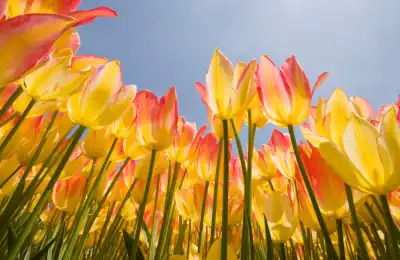
Spending time outdoors is one of the most grounding and uplifting ways to celebrate the Spring Equinox. Observing signs of seasonal change, such as new buds on trees, the return of birdsong, or the first wildflowers, fosters a connection with the cycles of the Earth. A gentle walk and mindful breathing in the fresh air can bring a sense of calm and balance.
5. Create a Seasonal Altar
For those inspired by pagan traditions, creating a small altar can be a lovely way to honour the balance between day and night. Seasonal items such as eggs, flowers, leaves, and seeds can represent fertility and growth. This display can serve as a visual reminder of gratitude and transformation throughout the season.
6. Practise Meditation and Mindful Reflection
Meditation helps align the body and mind with the calm, balanced energy of the Spring Equinox. Sitting quietly for a few moments each day allows space to reflect on what you have learned during winter and what you wish to nurture in spring. Breathwork, guided visualisations, and journaling about gratitude can all be meaningful ways to mark the season’s arrival.
7. Celebrate Balance and Gratitude
Taking time to express gratitude for the returning light and the opportunities it brings can deepen your sense of peace and appreciation. This reflection does not need to be religious or ritualistic; simply acknowledging the shift of the season can be a profound act of awareness.
Frequently Asked Questions
How long does the Spring Equinox last?
Although people often refer to a specific day, the actual equinox itself is a precise moment in time when the Sun crosses the celestial equator. This instant usually lasts only a few minutes, but the balance of daylight and darkness can be felt over several days around the event.
What is the difference between the Equinox and the Solstice?
The equinox represents balance, when day and night are roughly equal in length. The solstice, on the other hand, marks the extreme points of the year: the summer solstice brings the longest day, and the winter solstice the longest night.
How do different cultures celebrate the Spring Equinox?
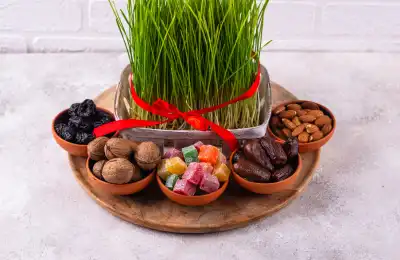
Across the world, the Spring Equinox is celebrated in many ways. In Iran, Nowruz marks the Persian New Year with family gatherings and symbolic foods. In Japan, Shunbun no Hi is a national holiday focused on harmony and remembrance. Indigenous communities in the Americas also honour the day with ceremonies that express gratitude for the Sun and Earth.
Can the Spring Equinox affect emotions?
The increase in daylight can naturally lift mood and energy levels. Many people feel more optimistic and inspired during this time. However, adjusting to longer days can also be tiring at first, so taking time to rest and reflect can help balance this transition.
Recommended for you!
Best SellersStudy Our Paganism Diploma for £29
If you’re interested in exploring the roots of pagan celebrations, ancient festivals, and spiritual traditions further, the Paganism Diploma Course offers a detailed and inspiring introduction to nature-based belief systems. You can currently enrol for just £29.