The Winter Solstice has been recognised and celebrated for thousands of years as a powerful moment of transition, marking a turning point from darkness back into light.
This blog post explores the Winter Solstice, its origins, meaning, and traditions, offering insight into how you can honour this sacred time and connect with its deeper symbolism.
Jump to:
What Is the Winter Solstice?
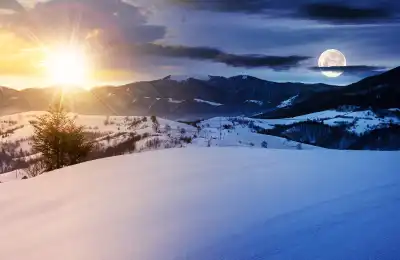
The Winter Solstice marks the point in the year when the Earth’s axial tilt is farthest from the sun. This alignment creates the shortest day and the longest night of the year, marking the official beginning of winter and symbolising renewal and hope for the lengthening days ahead. The word “solstice” comes from the Latin solstitium, meaning “sun stands still”, which describes the way the sun’s path appears to pause in the sky at this time.
In the northern hemisphere, the Winter Solstice usually occurs between 21st and 22nd December. In the southern hemisphere, it falls around 21st June, when the seasons are reversed.
Recommended for you!
Best Sellers
How Long is the Shortest Day of the Year?
The shortest day of the year depends on where you live, but in the UK, daylight lasts just over 7½ hours around the solstice. In places closer to the Arctic Circle, the sun may not rise at all, while nearer the equator, the difference is barely noticeable.
The Meaning of Winter Solstice
The Winter Solstice is rich in spiritual and emotional symbolism, often representing reflection, rebirth and renewal. Spiritually, the Winter Solstice is a reminder to release what no longer serves you and prepare for new beginnings.
The spiritual significance of the Winter Solstice lies in its connection to balance and transformation. Darkness gives way to light, symbolising hope and the cyclical rhythm of life. Many see it as a time to honour both shadow and illumination, recognising that one cannot exist without the other.
Winter Solstice Paganism and Yule
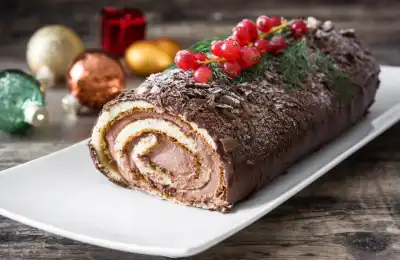
For followers of paganism, the Winter Solstice is one of the most significant events of the year. Known as Yule, this pagan holiday celebrates the rebirth of the sun and the renewal of life. It symbolises the death of the old year and the birth of the new, marking the moment when light begins to return after the year’s longest night.
The burning of the Yule log was central to ancient pagan celebrations, symbolising protection and light overcoming darkness. Many modern Christmas traditions can be traced back to paganism, including the use of candles, wreaths, and festive greenery.
Rituals and Traditions for the Winter Solstice
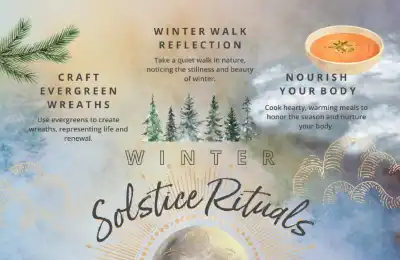
Across the world, the winter solstice is honoured with rituals and traditions that celebrate the triumph of light over darkness. These practices vary between cultures, but they share a focus on gratitude and community.
Lighting Candles and Fires
Fire and candlelight symbolise the return of the sun. Lighting a single candle or gathering around a fire can represent personal renewal and hope for the coming months. This is a powerful way to acknowledge the light returning to the world.
Decorating with Evergreens
Bringing evergreens indoors, such as pine, fir, holly, and mistletoe, symbolises life’s endurance through the darker months. These plants were sacred to ancient peoples and remain meaningful symbols of vitality and protection.
Feasting and Sharing Food
Feasting has always been an essential part of winter solstice celebrations. Traditional foods such as apples, nuts, root vegetables, and baked goods symbolise abundance and connection. Sharing food strengthens bonds and honours the spirit of community.
Reflection and Intention-Setting
The meaning of the winter solstice is deeply tied to introspection. Journaling or meditating on hopes for the coming year helps to align personal intentions with the rhythm of nature.
Gathering at Sacred Sites
In the United Kingdom, thousands gather for the winter solstice at Stonehenge each year. The stones align perfectly with the rising sun, a powerful reminder of the ancient connection between humanity and the cosmos. This event attracts those seeking spiritual connection and peace.
Frequently Asked Questions
Is there a god or goddess associated with the Winter Solstice?
In Norse mythology, the god Baldur represented the returning sun and light. In Celtic mythology, the goddess Danu and the Cailleach were associated with the dark and light cycles of the year. The Roman festival of Saturnalia honoured the god Saturn, while later celebrations of the newborn sun were linked to Sol Invictus.
What colours and symbols are linked with the Winter Solstice?
The colours most associated with the Winter Solstice are green, red, gold, and white. Green symbolises life and renewal; red represents warmth and vitality; gold signifies the returning sun; and white embodies purity and stillness. Common symbols of the Winter Solstice include the sun, candles, evergreens, mistletoe, and the Yule log, all reflecting themes of endurance and rebirth.
How do different cultures celebrate the Winter Solstice?
In China, the Dongzhi Festival marks the balance of yin and yang and is celebrated with family gatherings and traditional food. In Japan, people take yuzu baths to encourage good fortune and ward off illness. In Scandinavia, St. Lucia’s Day celebrates light and hope with candles and songs.
What happens after the Winter Solstice?
After the Winter Solstice, the days gradually become longer as the Earth tilts back towards the sun. This slow but steady return of light continues until the Summer Solstice, which marks the longest day of the year. The period between the two solstices symbolises growth and the flourishing of new life.
Recommended for you!
Best SellersStudy Our Paganism Diploma for £29
If you wish to explore these traditions further, the Paganism Diploma Course offers an in-depth look at the beliefs, deities, and festivals that shape pagan spirituality. You can enrol today for a discounted price of £29 and begin your journey into the rich symbolism and wisdom of paganism.