The summer solstice marks a turning point in the year: a time when daylight reaches its peak and people across the world pause to celebrate the power of the Sun.
This blog post explores the meaning of the summer solstice, the traditions that surround it, and how it continues to inspire reflection and celebration today.
Jump to:
- What Is the Summer Solstice?
- The Difference Between Solstice and Equinox
- The Meaning of the Summer Solstice
- Summer Solstice in Pagan Traditions
- Pagan Rituals and Traditions for the Summer Solstice
- Colours, Flowers, and Symbols of the Summer Solstice
- Summer Solstice Celebrations Around the World
- Frequently Asked Questions
- Study Our Paganism Diploma for £29
What Is the Summer Solstice?
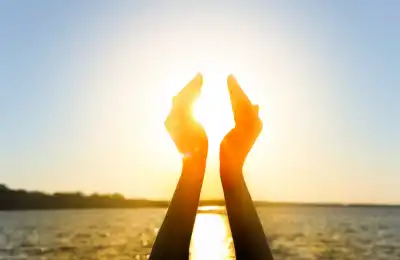
A solstice occurs twice a year, in summer and winter, when the Sun reaches its highest or lowest point in the sky. The word comes from the Latin solstitium, meaning “sun stands still”, because the Sun’s apparent movement pauses for a brief moment before reversing direction.
The summer solstice is the point in the year when one of Earth’s poles is tilted closest to the Sun. This causes the Sun to travel its longest path across the sky, resulting in the longest day and shortest night of the year. It has long been viewed as a time of light and celebration; a chance to honour nature’s generosity and reflect on the cycles of growth and renewal.
In the Northern Hemisphere, the summer solstice usually falls between 20 and 21 June. In the Southern Hemisphere, the summer solstice occurs around 21 or 22 December.
Recommended for you!
Best Sellers


The Difference Between Solstice and Equinox
The summer solstice marks the longest day of the year, while the winter solstice marks the shortest. An equinox, on the other hand, happens in spring and autumn, when day and night are approximately equal in length. During an equinox, the Sun crosses the celestial equator, symbolising balance between light and dark.
Together, solstices and equinoxes divide the year into four distinct turning points, each carrying its own rhythm and symbolism within science and spirituality.
The Meaning of the Summer Solstice
The summer solstice is a celebration of life at its fullest, when plants are in bloom, animals thrive, and the natural world reaches its peak of vitality. It serves as a reminder of the importance of living in harmony with the cycles of nature.
Spiritually, the summer solstice is a time to honour the Sun’s energy and its role in sustaining all life. It encourages reflection on personal growth and gratitude for achievements as the year begins to turn towards darker days once again.
Summer Solstice in Pagan Traditions
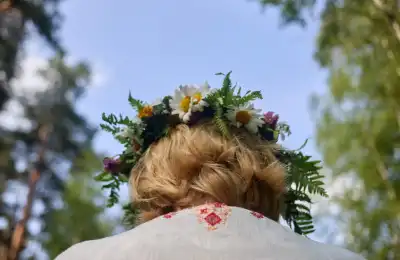
In pagan traditions, the summer solstice is known as Litha, one of the eight Sabbats on the Wheel of the Year. This pagan solstice marks the height of the Sun’s power and the midpoint of the solar year.
It represents the peak of masculine solar energy, the moment when the Sun God is at the height of his strength, and the Earth Goddess is rich with life and abundance. Yet, it is also a time of transition, acknowledging that from this day forward, the Sun’s power will slowly begin to wane.
Pagan Rituals and Traditions for the Summer Solstice
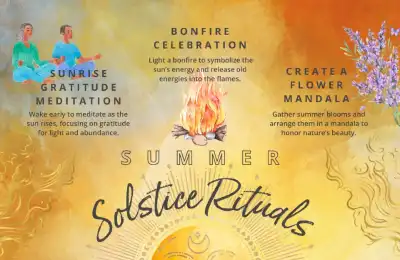
Pagan rituals for the summer solstice vary across cultures, but they share a common theme of honouring the Sun and nature’s abundance. These rituals connect the physical and spiritual worlds, celebrating warmth and the continuation of life. Traditional summer solstice pagan rituals include:
- Lighting bonfires or candles to symbolise the strength of the Sun and to offer protection and blessings for the months ahead.
- Gathering herbs and flowers, as it is believed their energy and healing properties are strongest at this time.
- Dancing and singing around a fire or under the open sky to celebrate joy and freedom.
- Offering food or drink to the Earth, Sun, or deities in gratitude for abundance and good harvests.
- Meditating or journaling to reflect on achievements since the beginning of the year and to set intentions for the remainder of it.
Colours, Flowers, and Symbols of the Summer Solstice
The colours of the summer solstice echo the radiance of the sun: golden yellow, orange, and red. Green also holds importance, representing fertility and connection to the Earth. Wearing these colours or using them in home décor during solstice celebrations is a way of channelling the energy of the season.
Sunflowers, marigolds, roses, and chamomile are strongly linked with summer solstice traditions. St John’s wort, gathered around midsummer, was once believed to hold protective powers.
Summer Solstice Celebrations Around the World
Solstice celebrations take place in many parts of the world, blending ancient customs with modern festivities.
- In Britain, thousands gather at Stonehenge for the midsummer solstice to watch the sunrise align perfectly with the Heel Stone. This tradition continues a lineage of ancient rituals honouring the Sun and seasonal change.
- Across Scandinavia, midsummer festivals are major cultural events. People decorate maypoles with flowers and greenery, dance, and enjoy feasts featuring fresh produce and berries. These celebrations express joy and gratitude for the longer days in summer and the fertility of the land.
- In North America, Indigenous communities have long recognised the day of the summer solstice through ceremonies that give thanks for the Earth’s abundance.
- In Japan, the solstice is associated with purification rituals, while in South America, the Inca festival of Inti Raymi honours the Sun God Inti through music and communal celebration.
Frequently Asked Questions
Are there traditional foods associated with the summer solstice?
Many cultures mark the midsummer solstice with seasonal feasts. Common foods include honey cakes, fresh berries, summer fruits, salads, and bread made from the first grains of harvest. These foods symbolise abundance and gratitude for the Earth’s nourishment.
What is the connection between the summer solstice and fertility?
The solstice has long been linked with fertility and creation. As nature flourishes, ancient people saw it as a time to celebrate life’s generative power, from planting crops to honouring love and relationships. Fertility in this sense represents creativity and the growth of all living things.
Can the summer solstice affect mood or well-being?
The extra daylight and warmth can have a positive effect on mood and energy levels. Sunlight helps the body produce vitamin D, which supports wellbeing, and the longer days often inspire people to be outdoors and feel more uplifted.
Is there a connection between the summer solstice and astrology?
How is the summer solstice observed in witchcraft today?
Modern witchcraft and Wiccan traditions continue to celebrate the pagan solstice through rituals of gratitude and manifestation. Practitioners might light candles, craft herbal charms, or perform spells for creativity and abundance. The focus is often on connecting with nature and honouring the Sun’s strength.
What happens after the summer solstice?
After the summer solstice, the Earth gradually begins to tilt away from the Sun. The days slowly shorten, and the balance of light shifts towards night once again. This transition reminds us of the cycles of balance and renewal that define both nature and our own lives.
Recommended for you!
Best SellersStudy Our Paganism Diploma for £29
Exploring pagan solstice traditions and the deeper meanings behind seasonal cycles can offer insight into both history and personal spirituality. If you’re inspired to learn more, the Paganism Diploma Course is the perfect next step. For a limited time, you can enrol for just £29!