
Peace is one of the most universally desired states of being, yet what symbolises it can look quite different depending on where in the world you are, or which tradition you are exploring.
From the iconic peace sign that defined a generation to ancient symbols carried through thousands of years of human history, symbols of peace are rich with meaning, story, and significance. In this post, you’ll discover 11 of the most recognised symbols of peace and harmony from across cultures — what they mean, where they came from, and why they continue to resonate today.
Jump to:
- What Is a Symbol of Peace?
- 1. The Peace Sign: Origins of an Icon
- 2. The Dove: A Universal Symbol of Peace
- 3. The Olive Branch: Ancient Symbol of Peace and Harmony
- 4. The White Flag: International Symbol of Truce
- 5. The Rainbow: Symbol of Peace, Hope, and Love
- 6. The Broken Rifle: The Anti-War Symbol
- 7. The Lotus Flower: Buddhist Symbol for Inner Peace
- 8. The Om (Aum) Symbol: Symbol of Inner Peace in Eastern Traditions
- 9. The Yin-Yang: Symbol of Peace and Balance
- 10. The Calumet (Peace Pipe): A Sacred Symbol of Peace in Native American Culture
- 11. The Ankh: Ancient Egyptian Symbol of Life and Harmony
- Why Do Symbols of Peace Still Matter?
- Enrol in The Religious Studies Diploma for £29
What Is a Symbol of Peace?
A symbol of peace is any image, object, gesture, or sign that represents the absence of conflict, the presence of harmony, or the aspiration for goodwill between people or nations. The definition of a peace symbol can vary across cultures and historical eras, but what links them all is a shared human longing for safety and unity.
Some of these symbols are ancient, rooted in mythology and religion. Others are surprisingly modern, born out of political movements and protest. What they all share is the ability to communicate something profound without a single word.
Whether you’re looking at a world peace symbol carved into stone thousands of years ago or a peace sign symbol screen-printed onto a T-shirt in the 1960s, the intention behind them is always the same: to stand for something better.
1. The Peace Sign: Origins of an Icon
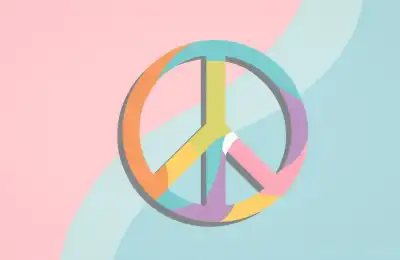
Perhaps the most instantly recognisable peace sign symbol in the world today is the circular logo with three lines — one vertical and two angled downward — enclosed within a circle. You’ve almost certainly seen it printed on bags, badges, and murals around the world. But what is its peace sign history, and where did it actually come from?
The Peace Sign's History and Origin
The peace sign originated in 1958, when British artist and designer Gerald Holtom created it for the Campaign for Nuclear Disarmament (CND) in the United Kingdom. It was first carried at a protest march from London to the Aldermaston atomic weapons research facility. The design is based on the semaphore signals for the letters "N" and "D" — standing for Nuclear Disarmament — overlaid and placed inside a circle representing the world. So the peace sign was, from the very beginning, a symbol for nuclear disarmament as much as a broader symbol of peace.
The symbol quickly crossed the Atlantic and became the defining image of the 1960s peace sign movement in the United States, adopted by anti-Vietnam War protestors and the counterculture. The peace sign’s meaning evolved beyond nuclear disarmament to represent a broader rejection of war and violence — a peace and love symbol for a whole generation.
Today, the peace logo's meaning remains clear across the world, functioning as one of the most recognisable international symbols of peace ever created. It is a reminder that sometimes the most powerful symbols are the simplest ones.
2. The Dove: A Universal Symbol of Peace
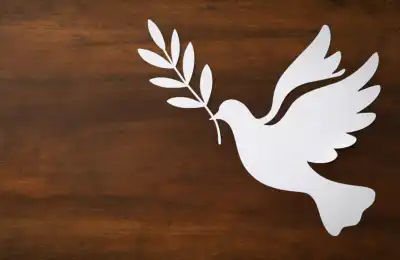
The dove — or in some traditions, the pigeon — is recognised as a universal symbol of peace. It appears in the story of Noah's Ark in the Bible, where a dove returns carrying an olive branch, signalling the end of the flood and the beginning of renewed life. This image beautifully merged two of the most enduring symbols of peace into one.
But the pigeon symbol of peace has roots far beyond Christianity:
- In Ancient Greece, doves were sacred to Aphrodite, the goddess of love, and were associated with tenderness and goodwill.
- In Hinduism, the dove represents the soul and spiritual purity.
- In Islam, doves are considered blessed birds believed to have protected the Prophet Muhammad.
- The peace pigeon concept was given a powerful new life in the modern era by Pablo Picasso, whose lithograph La Colombe (The Dove) became an emblem for the 1949 World Peace Congress.
Today, the white dove remains one of the most universally understood symbols of peace around the world, appearing on everything from greeting cards to political murals. No other animal carries quite the same weight of peaceful symbolism, making the dove a truly enduring world peace symbol.
3. The Olive Branch: Ancient Symbol of Peace and Harmony
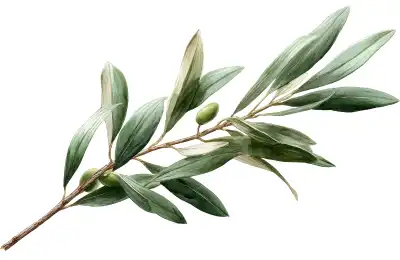
The olive branch symbol of peace is one of the oldest recorded. In Ancient Greece, victorious athletes were crowned with olive wreaths, and olive branches were offered to gods as tokens of goodwill.
The Romans adopted this tradition, using olive branches as a symbol of peace and harmony between nations. In Roman mythology, the goddess Pax — the personification of peace — was often depicted holding an olive branch, which makes it one of the clearest Roman symbols of peace in the ancient world.
The image persists today in the world peace flag of the United Nations, where an olive wreath encircles a map of the globe. To "extend an olive branch" has become a common English phrase meaning to offer reconciliation, and the olive branch is even carried by the eagle on the Great Seal of the United States as a sign of the preference for peace.
The olive branch is one of the oldest symbols of peace, and its meaning has remained remarkably consistent across thousands of years and dozens of cultures.
4. The White Flag: International Symbol of Truce
The white flag is one of the most functional international symbols of peace, used on battlefields and in conflict zones to signal a ceasefire, surrender, or a desire to negotiate. Its use dates back to the Han Dynasty in China (around 200 BCE) and has been recognised across cultures ever since, eventually becoming codified in the Geneva Conventions as a protected signal under international law.
The white flag works so well as a peace symbol because it carries no cultural or religious associations. It is one of the few truly universal symbols of peace, understood in virtually every country on Earth. The colour white is associated with symbols of calmness, purity, and new beginnings, making the white flag a powerful and immediate shorthand for "we wish to stop fighting."
5. The Rainbow: Symbol of Peace, Hope, and Love
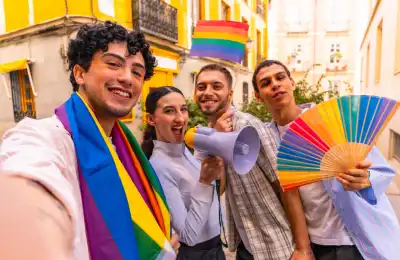
The rainbow appears in the mythologies and religious texts of cultures worldwide, and in almost every case, it carries a message of hope, renewal, and harmony:
- In the Bible, the rainbow is God's covenant with humanity after the great flood — a promise that the world would not be destroyed again, making it a symbol of peace and hope.
- In Norse mythology, the Bifrost bridge (a rainbow) connects the human world with the realm of the gods, representing connection rather than conflict.
- In many Indigenous traditions across the Americas, Africa, and Oceania, the rainbow represents the unity of all peoples and the beauty of diversity.
The rainbow flag, most widely recognised today as a symbol of LGBTQ+ pride, has its roots in the broader idea that diversity is something to celebrate. The rainbow is one of the most joyful symbols of peace and love; a reminder that peace often arises from embracing difference rather than fearing it.
6. The Broken Rifle: The Anti-War Symbol
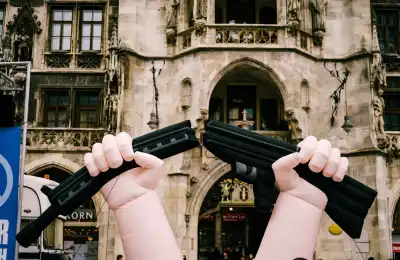
Less well known than the peace sign but equally deliberate in its design, the broken rifle is an anti-war symbol with a history stretching back to 1909, when it was adopted by the International Workers of the World. It later became the emblem of War Resisters' International, an organisation founded in 1921 that continues to campaign for non-violence today.
The image is blunt and powerful: a rifle snapped cleanly in two. It represents a direct rejection of militarism and a firm commitment to non-violence. As peace symbols go, the broken rifle is perhaps the most confrontational in appearance, yet its message is entirely peaceful. It stands apart from other symbols for peace precisely because of its unflinching directness.
7. The Lotus Flower: Buddhist Symbol for Inner Peace
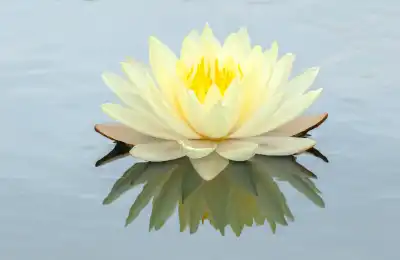
In Buddhist and Hindu traditions, the lotus flower is a profound symbol of inner peace and spiritual awakening. It grows from muddy, murky water yet blooms in pristine beauty above the surface. This is a powerful metaphor for the human capacity to rise above suffering and reach a state of clarity and calm.
The lotus is one of the most meaningful symbols for inner peace and spiritual growth, representing several key ideas:
- Purity — the ability to remain untouched by the difficulties of the world around you.
- Detachment — the lotus floats on the water but is never defined by it.
- Enlightenment — the bloom always reaches upward, toward the light.
The lotus is also the flower that symbolises peace most often referenced in Eastern philosophy, and is widely used in meditation, mindfulness, and wellness practices globally. It appears throughout Indian art and architecture, in temple carvings and sacred manuscripts, making it one of the most important symbols of peace in India and across South and South-East Asia.
8. The Om (Aum) Symbol: Symbol of Inner Peace in Eastern Traditions
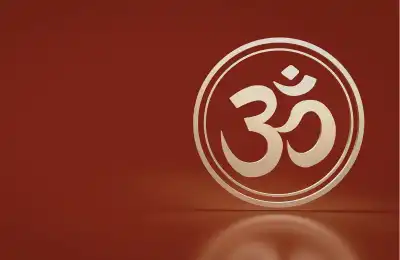
The Om (or Aum) symbol is one of the most sacred sounds and images in Hinduism, Buddhism, and Jainism. It’s considered the sound of the universe itself — the primordial vibration from which all creation flows — and is deeply associated with the symbol of inner peace found through meditation and spiritual practice.
Chanted at the beginning and end of yoga sessions and spiritual rituals, Om is one of the most recognised religious symbols for peace in the Eastern world. For those who practise, it represents:
- Unity of mind, body, and spirit.
- Stillness and the deep symbol of calmness that comes from connecting with something greater.
- Connection to the universe and to all living things.
If you’re exploring symbols for inner peace in a spiritual or meditative context, the Om symbol is one of the oldest and most deeply meaningful you will find. It is also one of the most widely used symbols of peace and prosperity across Indian and Buddhist traditions.
9. The Yin-Yang: Symbol of Peace and Balance

The Yin-Yang symbol from Taoism is one of the most recognisable ancient symbols of peace from East Asia. Consisting of two interlocking teardrop shapes — one black, one white — enclosed in a circle, it represents the harmony of opposites and the idea that all things exist in balance.
The philosophy behind it is quietly radical: peace does not come from the absence of conflict, but from the dynamic balance between contrasting forces: light and dark, rest and activity, expansion and contraction. This makes the Yin-Yang one of the most nuanced symbols of peace and harmony available to us, and a reminder that equilibrium, not uniformity, is what sustains lasting calm.
In Feng Shui, the Yin-Yang is considered a powerful symbol of peace and is used deliberately to bring balance and harmony into living and working spaces. It’s one of the most widely recognised ancient symbols for peace from the Eastern tradition.
10. The Calumet (Peace Pipe): A Sacred Symbol of Peace in Native American Culture

The calumet, or ceremonial pipe, holds deep spiritual significance in many Native American cultures. Often called the "peace pipe," it was used in sacred rituals of diplomacy and reconciliation between tribes and between peoples. The act of sharing the pipe was a serious and deeply honoured ceremony, carried out to establish trust and commit to peaceful relations.
Smoking the calumet together was a covenant of goodwill, witnessed by the spirits and bound by shared sacred intention. It’s one of the most meaningful peaceful symbols from Indigenous North American traditions and represents a truth that many cultures share: genuine peace must be built slowly, through ceremony and mutual respect.
11. The Ankh: Ancient Egyptian Symbol of Life and Harmony
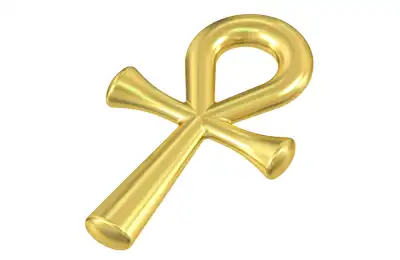
Few symbols carry the weight of history quite like the ankh. This ancient Egyptian hieroglyph, shaped as a cross with a loop at the top, is one of the oldest recorded symbols in human civilisation, dating back as far as the Early Dynastic Period (around 3100 BCE). Its name in Ancient Egyptian translates roughly as "life," and it was used across thousands of years of Egyptian culture to represent the harmony between the living world and the eternal.
The ankh was closely associated with the gods — particularly Osiris, Isis, and Ra — and was frequently depicted being held out toward a person's nostrils, representing the "breath of life" being given or restored. It appeared in tomb paintings, temple carvings, jewellery, and royal regalia. Pharaohs were often shown carrying the ankh as a sign of their divine authority and their role as keepers of cosmic order — a concept the Egyptians called Ma'at, which encompassed truth, justice, and harmony.
As one of the most visually striking and culturally layered ancient symbols of peace, it’s a reminder that the connection between life and peaceful existence is not a modern idea at all.
Why Do Symbols of Peace Still Matter?
These peace symbols around the world continue to serve an important function, giving form to an idea that can be difficult to express in words alone. They create a shared visual language that transcends national borders and belief systems, allowing people from very different backgrounds to recognise a common aspiration.
Things that represent peace connect you to those who came before and remind you that the desire for harmony is as old as humanity itself. Understanding these symbols is, in its own small way, an act of participating in that long tradition. They all speak to the same deep human hope: that we might find a way to live well together.
Recommended for you!
Best Sellers

Enrol in The Religious Studies Diploma for £29
If this exploration of the deeper meanings behind symbols of peace and harmony has sparked your curiosity, you might love diving deeper into the traditions and belief systems that gave rise to them.
The Religious Studies Diploma Course at Centre of Excellence is a brilliant next step. It takes you through the world's major faiths and philosophies — including the symbols, stories, and spiritual practices that have shaped human civilisation across thousands of years. It’s designed to be accessible to complete beginners and experienced learners alike, and you can study entirely at your own pace, in your own time. Right now, you can enrol for just £29!
Enrol today and take the first step towards a deeper understanding of the ideas, symbols, and traditions that connect us all.




