Learning about religious signs and symbols opens a door to understanding how people express faith, identity, and tradition through powerful visuals.
This guide explores religious signs and symbols, their meanings, and the role they play across different faiths, including the six major religions.
Jump to:
- What Is a Religious Symbol?
- What Are Some Examples of Religious Icons?
- Why Are Symbols Important in Religion?
- Sacred Symbolism: How Images Communicate Beliefs
- The Symbols of the Six Major Religions
- Pagan Religious Symbols and Nature-Based Imagery
- Common Questions About Religious Symbols
- Study Religious Studies for £29
What Is a Religious Symbol?
A religious sign or symbol is a visual representation used to express beliefs, ideas, or spiritual truths. The definition of religion and its symbols varies slightly across cultures, but they all serve a similar purpose: to communicate meaning in a way that words often cannot. These images or icons help followers feel connected to their faith and sometimes even to the divine.
You may have seen symbols such as the cross, the crescent moon, the lotus flower, and the Star of David. These are not just artistic designs; they carry stories, traditions, and layers of spiritual interpretation. Because of this, the symbolism of religion is often described as a universal language that people can recognise regardless of where they come from.
Some people use the term “religious icons” or “religious drawings” to describe symbolic images used in worship or teaching. Others refer to them as “sacred symbols”. All these words reflect the importance of these visuals in communicating the essence of a belief system.
What Are Some Examples of Religious Icons?
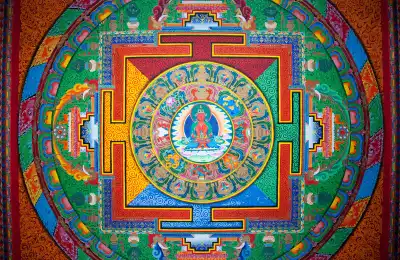
Examples of religious Symbols include:
- Christian icons of saints
- Hindu depictions of deities
- Buddhist mandalas
- Islamic calligraphy
- Jewish menorahs
- Pagan wheel-of-the-year diagrams
These icons help followers visualise beliefs and engage with sacred symbolism in a meaningful way.
Why Are Symbols Important in Religion?
You may wonder why so many faiths use imagery to express their teachings. The answer lies in the unique power of symbols to convey meaning instantly and emotionally.
People connect with images in ways that are sometimes stronger than spoken or written words. A religious symbol can represent an entire belief system in a single glance, reminding followers of stories and spiritual lessons. For this reason, signs of religion play a key role in everything from art and architecture to everyday spiritual practice.
Symbols also help preserve traditions. Long before widespread literacy, spiritual ideas were passed down visually. Even today, many communities rely on religious iconography to connect younger generations with ancient beliefs.
Sacred Symbolism: How Images Communicate Beliefs
Every religion has its own way of expressing truth. Some use animals, while others use geometric shapes, plants, celestial objects, and certain colours. This is why the world is full of different religious symbols, each helping people connect with the divine in their own way.
While these icons may look simple, they often contain deep layers of meaning. For example, a symbol might represent creation, protection, purity, or transformation, depending on the context. This is part of what makes the symbols of religion so fascinating; they can reflect both the teachings of a faith and the personal experiences of its followers.
The Symbols of the Six Major Religions
Although every belief system has more than one symbol, these are widely recognised representations:
1. Christianity – The Cross
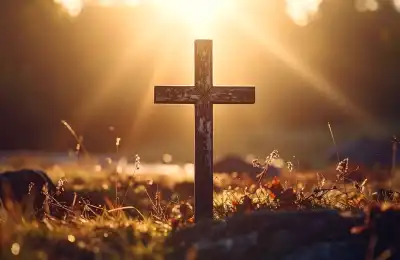
The cross is one of the most famous religious symbols in the world, representing the life, death, and resurrection of Jesus Christ. Many people believe the cross is the most powerful symbol in Christianity because it embodies hope, forgiveness, and unconditional love. You’ll find many Christian religious symbols, but the cross is by far the most recognisable.
Within Christianity, Catholicism uses many symbols to reflect aspects of faith and worship. Examples of Catholic religious symbolism include the crucifix, the sacred heart, the dove, and the rosary. Catholic imagery is also found in stained-glass windows, statues, candles, and icons. These visuals are central to spiritual reflection and prayer.
2. Islam – The Crescent Moon and Star
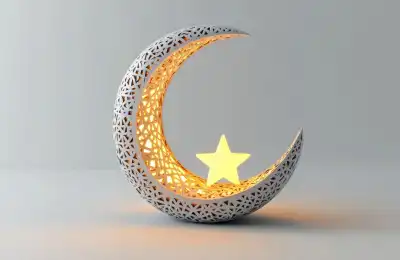
The crescent moon paired with a star is widely associated with Islam, although it is not an official symbol of the faith. It’s linked to divine light and the lunar calendar used for religious observances. Many people recognise the symbol because it appears on the flags of several Muslim-majority countries, strengthening its connection to Islamic culture.
The crescent and star can also evoke feelings of direction and hope, reminding followers of the importance of spiritual focus. Although interpretations vary, the imagery often reflects the relationship between faith and the natural rhythms marked by the moon.
3. Hinduism – The Om
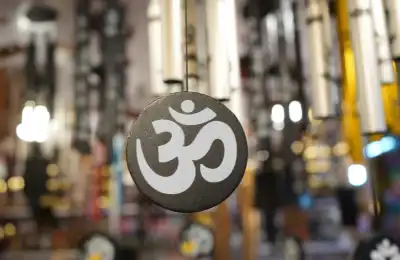
The Om symbol expresses the sound believed to be the origin of all creation. This sacred icon represents consciousness and the connection between the physical and spiritual worlds.
You may hear Om chanted during meditation or yoga, as many believe it aligns the mind and body with a peaceful, centred state. Its graceful shape also carries symbolic meaning, with each curve reflecting stages of consciousness or existence.
In Hindu tradition, Om is considered a sacred vibration, making it one of the most important sound-based religious symbols in the world.
4. Buddhism – The Dharma Wheel
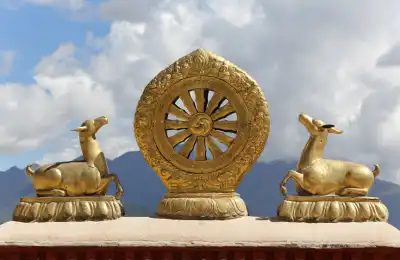
The Dharma Wheel, with its eight spokes, represents the Buddha’s teachings and the Noble Eightfold Path. It symbolises wisdom, clarity, and the journey toward enlightenment.
The circle of the wheel represents the perfection of the teachings, showing how all parts of the path are connected. Turning the wheel is often described as spreading the Dharma, or sharing Buddhist wisdom with others.
Because of its deep meaning, the Dharma Wheel is commonly seen in temples, artwork, and meditation spaces across Buddhist cultures.
5. Judaism – The Star of David
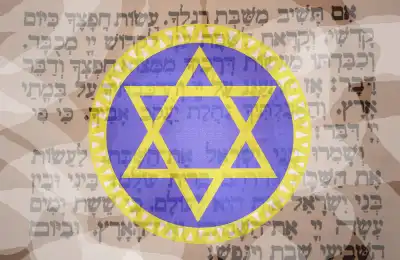
This six-pointed star is one of the most well-known religious symbols of the world, representing protection and the connection between the divine and humanity. Its two interlocking triangles are often interpreted as a symbol of harmony between the spiritual and physical worlds.
The Star of David has been used in Jewish tradition for centuries, appearing in synagogues and cultural identity. Today, it continues to serve as a meaningful emblem of community and heritage.
6. Sikhism – The Khanda
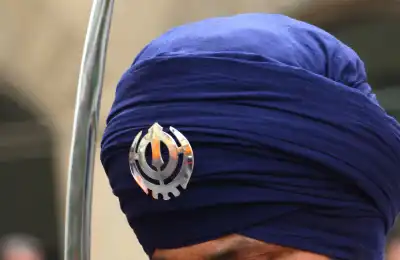
Made up of a double-edged sword, a circular emblem, and two single-edged swords, the Khanda represents divine justice and balance. Each component reflects core Sikh values, including bravery, unity, and the importance of truth.
The double-edged sword in the centre symbolises God’s ultimate authority, while the circle represents the eternal nature of the universe. For many Sikhs, the Khanda serves as a reminder of strength, fairness, and the responsibility to uphold moral principles.
Pagan Religious Symbols and Nature-Based Imagery
While not often considered one of the six main religions, Paganism is known for its symbols, many of which are linked with nature, seasons, and cosmic cycles. Common examples of pagan religious symbols include:
- The pentacle (symbol of protection and natural elements)
- The triple moon (representing the phases of the moon)
- The sun wheel (linked with rebirth and light)
These symbols highlight the connection between spirituality and the natural environment.
Common Questions About Religious Symbols
What Symbol Represents God?
Different cultures answer this question in various ways. In monotheistic religions, God is often represented through abstract or symbolic shapes rather than images. For example:
- In Christianity, the triangle is sometimes used to represent the Holy Trinity.
- In Judaism, God is traditionally not depicted, but symbolic objects such as the menorah may reflect divine presence.
- In Islam, God is represented through calligraphy rather than imagery.
What Is the Most Famous Religious Symbol?
Many people believe the Christian cross is the most recognised religious symbol internationally. However, symbols such as the Star of David, the Om, and the Dharma Wheel are equally meaningful to millions of people. The idea of the most famous symbol depends on cultural context and personal experience.
What Are Religious Symbols Called?
Religious symbols may be called:
- icons
- emblems
- sacred symbols
- spiritual insignias
- symbolic representations
In Christianity, the term “icon” often refers specifically to a painted devotional image. In other contexts, “symbol” or “emblem” is more commonly used.
What Are The 12 Symbols of the Holy Spirit?
In Christian tradition, especially within Catholicism, the Holy Spirit is sometimes associated with twelve symbolic expressions that reflect the qualities believed to be present in a spiritually guided life.
These include wisdom, understanding, counsel, fortitude, knowledge, piety, and reverence, as well as charity, joy, peace, patience, kindness, goodness, generosity, gentleness, faithfulness, modesty, self-control, and chastity. Each of these qualities is seen as a sign of spiritual maturity and a reminder of how the Holy Spirit works within people to inspire compassionate and purposeful living.
What Are Some Themes of Religious Symbols Across the World?
When you view the religious symbols of the world side by side, you begin to see patterns in how humans express spirituality. Many icons are linked with similar themes:
- Light represents truth and divine guidance.
- Water symbolises purity and renewal.
- Stars often connect heaven and earth.
- Circles reflect unity and infinity.
- Animals express protection, wisdom, or transformation.
These recurring themes show that even though religions vary, human beings often turn to similar motifs when exploring life's biggest questions.
How Many Religious Symbols Are There?
There is no fixed number of religious symbols, as every culture, tribe, and spiritual tradition has developed its own imagery over thousands of years. New symbols continue to appear in modern religious movements. This is why studying religious symbols can feel like exploring an ever-growing tapestry of spiritual expression.
Recommended for you!
Best Sellers



Study Religious Studies for £29
If this guide has sparked your curiosity, you can deepen your understanding of world faiths, their teachings, and their symbols through our Religious Studies Diploma Course. By following the link, you can access the course for a discounted price of £29!