
The colour blue appears in the natural world through the sky and sea, in clothing and interior design, and across branding, art, and culture. Despite its familiarity, blue carries layers of meaning that go far beyond appearance alone.
Understanding the psychology and symbolism of the colour blue helps explain why it is so widely used.
What’s in This Guide?
This guide explores emotional and psychological responses to blue, explains how blue functions within colour theory, and looks at personality traits linked to blue preferences. It also examines cultural symbolism, spiritual meaning, and commonly explored ideas connected to the colour.
Jump to:
- What’s in This Guide?
- What Does the Colour Blue Represent?
- Colour Blue Meaning in Psychology
- The Colour Theory of Blue
- What Is the Personality of Someone Who Likes Blue?
- The Symbolism of the Colour Blue Across Cultures
- Spiritual Meaning of the Colour Blue
- Frequently Asked Questions
- Study Our Colour Theory Diploma for £29
Recommended for you!
Best Sellers




What Does the Colour Blue Represent?
The colour blue often represents reliability and balance, making it one of the most widely trusted colours across societies. These associations come largely from its presence in nature; the sky and the sea create a sense of vastness and continuity, which encourages feelings of peace and reassurance.
Emotionally, blue conveys steadiness. It does not overwhelm the senses, which allows it to feel safe and grounded. This makes blue particularly effective in environments designed to promote focus and relaxation.
At the same time, blue can symbolise depth and introspection. Darker shades of blue are often linked to seriousness and thoughtfulness, while lighter blues represent openness and ease.
Colour Blue Meaning in Psychology

In psychology, the colour blue is known for its calming and stabilising effects on the mind. Exposure to blue tones has been shown to slow the heart rate and reduce feelings of tension, making blue particularly effective in spaces where concentration and emotional regulation are important.
Psychologically, blue also supports emotional trust. People tend to associate blue with honesty and dependability, which explains its frequent use in branding for financial institutions, technology companies, and healthcare organisations. Blue creates a sense of safety and competence that helps build confidence and reassurance.
The Colour Theory of Blue

Within colour theory, blue is one of the three primary colours, alongside red and yellow. As a primary colour, blue cannot be created by mixing other colours, yet it plays a central role in forming many secondary and tertiary colours. Mixing blue with yellow creates green, while mixing it with red produces purple.
Blue is considered a cool colour, meaning it visually recedes rather than advances. This gives it a calming and spacious quality, making rooms feel larger and more open. Cool colours like blue are often used to reduce visual intensity and create a sense of calm.
Different shades of blue produce different effects. Light blue feels airy and refreshing, while deeper blues feel more serious and reflective. Navy and royal blue often convey authority and professionalism, while pastel blues suggest softness and approachability. Colour theory shows how blue can be adapted to suit many emotional and practical purposes.
What Is the Personality of Someone Who Likes Blue?
People who favour blue tend to value calmness and emotional balance. They’re often dependable people who prefer harmony over conflict and consistency over chaos.
A strong connection to blue can also suggest emotional depth. While these people may appear reserved, they often experience emotions deeply and value meaningful connections. Their calm exterior frequently masks a strong inner world shaped by reflection and empathy.
The Symbolism of the Colour Blue Across Cultures
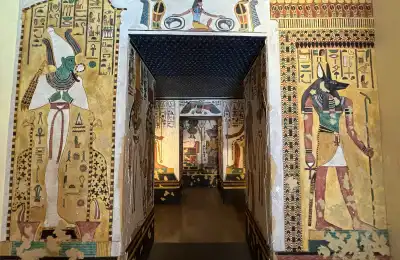
The colour blue has held deep symbolic meaning across civilisations for thousands of years. These cultural meanings have shaped how blue is used in art, religion, and everyday life.
- Ancient Egypt: In Ancient Egyptian culture, blue symbolised protection and divine power. It was closely associated with the sky and the Nile, both of which represented creation and continuity. Blue pigments were used in jewellery, tomb paintings, and sacred objects to invoke spiritual protection and eternal life.
- Western cultures: In many Western societies, blue has come to represent trust and professionalism. It is commonly used in uniforms, corporate branding, and government institutions to convey reliability and order.
- Eastern traditions: In several Eastern cultures, blue is linked to healing and spiritual depth. It’s often associated with wisdom and inner truth, reflecting a connection between blue and the pursuit of higher knowledge. In art and symbolism, blue can represent protection from negative energy and a sense of spiritual calm.
- Christian symbolism: In Christian traditions, blue is associated with devotion and holiness. It’s frequently used in religious art and garments, particularly in depictions of the Virgin Mary, where it symbolises faith and spiritual grace. Blue in this context reflects reverence and a connection to the divine.
Spiritual Meaning of the Colour Blue
The spiritual symbolism of blue reflects its psychological impact. It invites stillness and introspection, making it a colour commonly used in meditation spaces and spiritual art. Blue encourages a sense of trust in both oneself and the wider world.
Light blue is often associated with communication and honesty, while deeper blues symbolise intuition and inner knowledge. In energy-based belief systems, blue is connected with expression and truth, encouraging clear and compassionate communication.
Frequently Asked Questions
Can too much blue have a negative effect?
While blue is generally calming, excessive use of dark or cold blue tones can feel emotionally distant and subdued. Balance is important, especially in living or social spaces, where combining blue with warmer colours can help maintain emotional warmth.
Why is blue associated with intelligence and logic?
Blue is often linked with intelligence because it encourages clear thinking and reduces emotional intensity. Its calming effect supports focus and reflection, which is why blue is commonly associated with problem-solving and thoughtful communication.
How does blue influence decision-making?
Blue tends to slow emotional reactions and promote careful consideration. This can support more measured and thoughtful decision-making, particularly in environments where accuracy and clarity are important.
Is blue universally liked?
Blue is one of the most widely preferred colours across age groups and cultures. While personal preferences always vary, blue’s associations with calm and trust make it broadly appealing and culturally adaptable.
Why does blue feel timeless rather than trendy?
Blue has maintained its popularity across centuries because its symbolism is rooted in nature and universal human experience. Its connection to the sky and sea gives it a sense of permanence, which allows it to remain relevant even as trends change.
Study Our Colour Theory Diploma for £29
The Colour Theory Diploma Course offers in-depth learning on how colours affect perception, mood, and communication. You can enrol today and access the course for a discounted price of £29.
If you would also like to join our learning community, unlock exclusive discounts, and receive expert tips, you can sign up for our mailing list.




