For many people, purple feels different from other colours. It often carries a sense of fascination, depth, emotion, and inner awareness that goes beyond surface-level aesthetics. Understanding the psychology and symbolism behind the colour purple can help you make sense of this connection.
What’s in This Guide?
You’ll learn how colour psychology works, what purple represents emotionally and symbolically, and how it fits into colour theory. The guide also explores personality traits linked to purple, cultural symbolism, spiritual meaning, and its connection to chakras.
Jump to:
- Understanding the Psychology of Colours
- What Does the Colour Purple Represent?
- What Emotion Does Purple Represent?
- Purple Colour Theory Explained
- What Personality Traits Are Linked to Purple?
- What Does the Colour Purple Symbolise Across Cultures?
- What Is the Spiritual Meaning of the Colour Purple?
- What Chakra Is Represented by Purple?
- Frequently Asked Questions
- Study Our Colour Theory Diploma for £29
Understanding the Psychology of Colours
Colours can affect mood, energy levels, focus, and decision-making, often without conscious awareness. While responses to colour can vary between people and cultures, certain patterns appear consistently across research and observation.
In psychology, colours are often grouped by their emotional effects. Warm colours tend to feel stimulating, while cool colours often feel calming. Purple stands out because it combines both qualities. It sits between red and blue on the colour spectrum, blending the stimulation of red with the calmness of blue. This combination gives purple its distinctive emotional and psychological depth.
What Does the Colour Purple Represent?
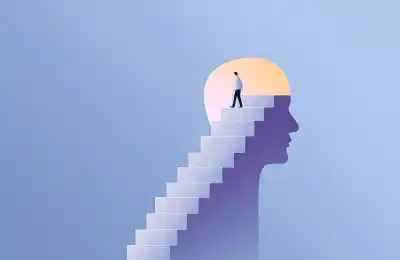
The colour purple represents depth and complexity, symbolising creativity, wisdom, individuality, and inner strength. Unlike colours that clearly signal energy or calm, purple tends to represent thoughtfulness and emotional richness.
Purple is often associated with ideas that lie beneath the surface, such as intuition and insight. It’s not typically associated with speed or action, but instead with reflection and personal expression.
Recommended for you!
Best Sellers


What Emotion Does Purple Represent?
Lighter shades of purple, such as lavender or lilac, are commonly associated with calmness and emotional softness, andcan help create a sense of peace and emotional safety.
Darker shades, such as plum or aubergine, often feel more intense and are associated with emotional richness, seriousness, and contemplation.
Purple Colour Theory Explained
In colour theory, purple is a secondary colour created by mixing red and blue. Because red is associated with energy and passion, and blue with calm and stability, purple inherits qualities from both.
When used carefully, purple can feel harmonious and thoughtful. When overused or poorly balanced, it can feel overwhelming or distant. This is why purple is often used as an accent colour in design rather than a dominant one. In creative and educational contexts, purple is valued for its ability to encourage imagination and thoughtful engagement.
What Personality Traits Are Linked to Purple?
While colour preferences are always personal, people who feel drawn to purple tend to share certain emotional and psychological characteristics that reflect the colour’s balance of calmness and creativity. Common personality traits linked to purple include:
- Creativity and imagination.
- Emotional sensitivity and awareness.
- Introspection and depth.
- Individuality and originality.
- Curiosity and personal growth.
What Does the Colour Purple Symbolise Across Cultures?
Historical access to purple dyes, religious traditions, and cultural values have all shaped how this colour is understood around the world.
Western cultures
Historically linked to royalty and leadership, purple came to represent importance and status. Over time, purple also came to be associated with creativity, often appearing in artistic, academic, and spiritual settings where imagination and thoughtful exploration are encouraged.
Eastern cultures
In many Eastern traditions, purple is associated with spiritual awareness and inner transformation. It often symbolises balance between the physical and emotional or spiritual worlds. Purple is seen as a colour of insight and personal development, reflecting a deeper understanding of life and self.
Ancient civilisations
In ancient societies, particularly those with access to rare purple dyes, the colour symbolised power, wealth, and influence. Because purple was difficult to produce, it became a marker of importance and authority, reserved for those in elevated social positions.
What Is the Spiritual Meaning of the Colour Purple?
In spiritual contexts, purple is associated with meditation, intuition, and self-discovery. It represents the search for meaning and the desire to understand life beyond surface appearances.
Purple is also linked to transformation. It symbolises emotional healing and the development of inner wisdom. For many people, purple feels supportive during periods of change and reflection.
What Chakra Is Represented by Purple?
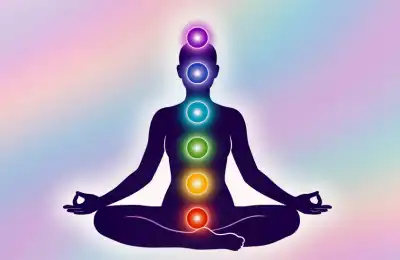
Purple is commonly associated with the crown chakra. This chakra is linked to awareness and connection to broader consciousness, representing the ability to see beyond immediate concerns.
Frequently Asked Questions
Does purple have different meanings depending on age or life stage?
People may relate to purple differently at various stages of life. Younger people may connect with its imaginative and expressive qualities, while older people may be drawn to its associations with wisdom, reflection, and emotional depth.
Can purple influence decision-making or behaviour?
Purple is more likely to influence thought and perception than quick decision-making. It encourages reflection and consideration rather than urgency, which can support thoughtful choices and creative problem-solving.
Is purple associated with introversion or extroversion?
Purple is more commonly linked to introspective tendencies, but this does not mean it excludes sociability. It reflects a preference for depth, meaning, and inner awareness rather than outward stimulation alone.
Why do some people dislike the colour purple?
Some people may find purple overwhelming or emotionally heavy, especially darker shades. Personal experiences, cultural background, and emotional associations all play a role in how any colour is perceived.
Recommended for you!
Best SellersStudy Our Colour Theory Diploma for £29
The Colour Theory Diploma Course explores how colours influence emotion, perception, creativity, and communication in everyday life. You can enrol now for a discounted price of £29, making it an accessible way to build confidence and knowledge in colour theory.
If you would also like to join our learning community, unlock exclusive discounts, and receive expert tips, you can sign up for our mailing list.