If you've been wondering if your cat is lonely, you're certainly not alone. It's one of the most common questions cat owners ask, and the fact that you're asking it says a great deal about how much you care for your cat's wellbeing.
What's in this Guide?
This guide covers how to tell if your cat is lonely, what the signs of loneliness look like in both behaviour and physical health, and how to decide whether getting a second cat is right for you. You'll also find advice on gender pairings, introducing kittens vs adult cats, and how to keep a single cat happy and fulfilled.
Jump to:
- Can Cats Get Lonely?
- Are House Cats Solitary Animals?
- What Are the Signs of a Lonely Cat?
- Does My Cat Need a Friend?
- Are Two Cats Better Than One?
- Getting a Second Cat: Does Gender Matter?
- Should I Get My Cat a Kitten or an Adult Cat?
- Can a Single Cat Be Happy?
- Frequently Asked Questions
- Study Feline Behaviour and Psychology for £29
Can Cats Get Lonely?
Cats can absolutely get lonely, though it rarely looks the way you might expect. Unlike dogs, they don't tend to bark at the front door or chew the sofa when they're feeling isolated. Their loneliness shows up in subtler, quieter ways, like a change in appetite, a shift in sleeping patterns, or a general listlessness that's hard to pin down but impossible to ignore once you've noticed it.
House cats, in particular, can get lonely, especially those left alone for long stretches of the day or who live in environments that lack stimulation. Research into cat behaviour has shown that domestic cats are significantly more socially capable than their reputation for aloofness implies. They form genuine attachments to their owners and, in many cases, to other animals in the home. When those attachments are absent or disrupted, cats can experience real distress.
Loneliness tends to be more pronounced in indoor cats since they don't have the option of wandering outside to find their own stimulation or social encounters. If your cat's indoors most of the time and home alone for eight or more hours a day, their social and emotional needs deserve some careful thought.
Are House Cats Solitary Animals?

The idea that cats are purely solitary animals comes from their wild ancestors, species like the African wildcat, that largely hunted and lived alone. But domestic cats have lived alongside humans for thousands of years, and their social needs have shifted considerably during that time.
While house cats don't depend on social interaction the way dogs do, that doesn't mean they don't need or want it. Many domestic cats actively seek out companionship from their owners, from other cats in the household, and sometimes from other pets entirely. The degree to which a cat craves company varies enormously from one to the next, shaped by genetics, early socialisation, and life experience. Some cats are fiercely independent; others are undeniably social creatures who wilt without regular interaction.
The key is learning to read your own cat's needs, rather than assuming they fit a particular mould.
What Are the Signs of a Lonely Cat?
Recognising the signs of a lonely cat early can help you step in before any lasting unhappiness takes hold. There are two main areas to watch: changes in behaviour and changes in physical health.
Behavioural Changes
Behaviourally, you might notice:
- Excessive vocalisation: meowing, yowling, or crying more than usual, particularly before you leave the house or after a long period alone.
- Clinginess: behaviours like following you from room to room, sitting on your lap more than usual, or becoming visibly anxious when you head for the door.
- Destructive behaviour: scratching furniture, knocking things off surfaces, or interfering with items they'd previously ignored.
- Attention-seeking at unusual times: pawing at you while you're working, interrupting sleep, or demanding play late at night.
- Over-grooming, which can sometimes lead to bald patches on the skin.
Physical Signs
Loneliness and stress don't only affect a cat's behaviour; they can show up physically too. Keep an eye out for:
- Changes in appetite, whether eating noticeably more or noticeably less.
- Lethargy, or a general drop in the playful energy your cat usually has.
- Weight changes that occur gradually over time.
- Digestive upsets, which can sometimes be linked to chronic stress.
If you're seeing several of these signs together and nothing obvious has changed in your home, it's worth considering whether your cat's struggling with loneliness or under-stimulation.
Does My Cat Need a Friend?

Understanding whether your cat would genuinely benefit from a companion is a key step before making any decisions. There's no single test for this, but looking honestly at your cat's daily life can give you a great deal of useful information.
How to Tell If Your Cat Wants a Companion
To understand whether your cat needs another cat, it helps to think about their day-to-day routine and ask yourself:
- Is your cat home alone for most of the working day?
- Have you noticed signs of boredom, anxiety, or restlessness?
- Did your cat previously live with other animals and seem out of sorts since that changed?
- Is your cat still young and energetic, with more enthusiasm for play than you can always match?
If several of these apply, then getting your cat a friend is genuinely worth exploring. That said, not every cat will welcome a new housemate. Older cats who've always been the only pet, or those with a history of tension around other animals, may find the introduction of a companion stressful. Deciding whether you should get another cat is a meaningful commitment for you and your existing cat, and it deserves careful consideration.
Are Two Cats Better Than One?
When it comes to living with more than one cat, many owners find that two cats are better than one in terms of companionship, entertainment, and emotional wellbeing. But it's not quite that simple for every cat or every household, so here's what's worth knowing before you decide.
Are Cats Happier With Other Cats?
Many cats are happy with another cat, but it genuinely depends on the individual. Cats that are sociable, playful, and full of energy often flourish with a cat-friendly companion by their side. Having another cat around can provide:
- Regular social interaction that isn't dependent on your schedule.
- A playmate to keep them mentally and physically active.
- Comfort and a sense of security during the hours when you're not at home.
- Warmth and companionship at rest, since bonded cats often sleep curled up together.
This isn’t always going to be the case. Two cats who are poorly matched in temperament, or who are rushed through their introduction, can end up more stressed than they would have been alone. The benefits of cat companionship are very real, but so is the importance of getting the pairing right.
Is It Worth Having Two Cats?
When weighing up two cats vs one, it's helpful to think practically as well as emotionally.
On the positive side, having two cats together means they can keep each other entertained, which often reduces boredom-related behaviour like scratching and excessive vocalising. They can form genuinely close bonds, providing each other with social and emotional support that you alone can't always offer.
And watching two cats interact, whether they're playing, grooming each other, or squabbling over the sunniest spot, is, frankly, wonderful.
On the practical side, two cats does mean doubled costs: food, vaccinations, vet bills, and pet insurance all need factoring in. It's worth being realistic about that before committing.
Getting a Second Cat: Does Gender Matter?
Whether you're considering two of the same sex or a male-female pairing, gender can play a role in how well two cats get along. That said, personality and temperament tend to matter more than gender alone, and neutering makes a significant difference in all pairings.
Two Female Cats Living Together
Two female cats living together can work very well, particularly when both are spayed. The notion that female cats will inevitably clash is something of a myth. While some females are territorial, many coexist peacefully and form close, affectionate bonds over time. Two female cats should get on just fine, provided introductions are handled gradually and both cats have adequate space and resources of their own.
Male and Female Cats Living Together
Many owners find that male and female cats living together is one of the more harmonious pairings. A neutered male and a spayed female often complement each other well, with the difference in social dynamics tending to reduce competition.
Remember that the most important factor in any pairing is compatibility of temperament. A calm, relaxed cat will generally do best with a similarly easygoing companion, whatever the gender combination happens to be.
Should I Get My Cat a Kitten or an Adult Cat?
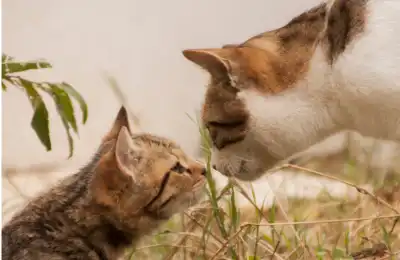
The answer depends largely on the age and personality of your current cat. Kittens are lively, playful, and sometimes relentless in their energy, which can be a delight for a younger, active cat but genuinely exhausting for an older or more reserved one. An adult cat who values peace and quiet may find a boisterous kitten more of an intrusion than a source of companionship.
On the other hand, if your existing cat is sociable and still has plenty of playful energy, a kitten could be an excellent match. If your cat is older or has always been the only pet, adopting an adult cat of a similar age and temperament is often the gentler route. Many rescue organisations are experienced at helping owners find cats that are likely to be a good fit, and it's well worth asking for their guidance.
Can a Single Cat Be Happy?
A single cat can definitely be happy still, and it's important not to feel guilty if getting a second cat isn't the right option for you or your household right now. Single cats can lead rich, contented, and thoroughly fulfilling lives, provided their needs are met in other ways. That means:
- Plenty of interactive play with you, ideally every day.
- Environmental enrichment: cat trees, window perches, puzzle feeders, and toys that rotate regularly.
- A consistent routine that helps your cat feel secure and settled.
- Quality time and affection that lets them know they're loved and noticed.
The goal, always, is to understand and respond to your individual cat's needs. For some cats, a feline companion would make a genuine difference to their happiness. For others, attentive care and a stimulating environment is everything they need to thrive. There's no one-size-fits-all answer, only the answer that's right for your cat.
Frequently Asked Questions
Is it okay to have two indoor cats?
It's absolutely fine to have two indoor cats, provided they have enough space, separate resources, and a gradual introduction. The general guidance is one litter tray per cat plus one extra, along with separate feeding stations and multiple resting spots to keep competition to a minimum.
Are two cats happier than one?
Many cats are happier with a companion, particularly those who are sociable, energetic, or left alone for long periods. That said, it depends on the individual cat's temperament, so it's worth assessing your cat's behaviour and needs honestly before making the decision.
Recommended for you!
Best Sellers







Study Feline Behaviour and Psychology for £29
If learning more about your cat's emotional life, behaviour, and social needs sounds appealing, the Feline Behaviour and Psychology Diploma Course from Centre of Excellence is a wonderful place to start. Available to complete at your own pace, this online course covers everything from feline communication and stress responses to social bonding and wellbeing, giving you a much deeper understanding of the cat in your life. Enrol today at the discounted price of £29.