If you’ve ever watched two cats cuddled up together or playing side by side, you may have wondered whether they’re simply good friends or a bonded pair. Understanding how to tell if cats are bonded can help you recognise their emotional needs and avoid accidentally upsetting their close relationship.
Many cat owners research this topic because they’ve noticed their cats spending a lot of time together, sharing beds, playing together, and even grooming one another. Others might be introducing two cats and hoping they’ll form that special bond. Whatever your reason, learning about cats' bonding can help you create a more harmonious home for your feline companions.
Jump to:
- What Makes Two Cats a Bonded Pair?
- 6 Signs That Cats Are Bonded
- Common Questions About Bonded Cats
- Can Two Cats Live Together and Not Be Bonded?
- At What Age Do Cats Become a Bonded Pair?
- Do Bonded Cats Always Sleep Together or Cuddle?
- Do Bonded Cats Hiss at Each Other?
- Can Bonded Cats Share a Litter Box?
- Are Bonded Cats Happier Together?
- What Happens If You Split a Bonded Pair of Cats?
- Can Bonded Cats Become Unbonded?
- Will Bonded Cats Remember Each Other?
- How Long Can You Leave a Bonded Pair of Cats Alone?
- Who Do Cats Bond with the Most?
- How Do I Introduce Bonded Cats to a New Home?
- Study Feline Behaviour and Psychology for £29
What Makes Two Cats a Bonded Pair?
A bonded pair of cats share a deep emotional connection that goes beyond simple friendship or tolerance. They often rely on one another for comfort, play, and companionship. This relationship usually forms when kittens grow up together or when two adult cats find a compatible partner they genuinely enjoy spending time with.
The bond can develop through shared experiences, like eating, sleeping, playing, and exploring together, or through mutual trust built over time. You’ll notice that a pair of cats who are bonded will display behaviour that mirrors human affection, like grooming, cuddling, and following each other around.
6 Signs That Cats Are Bonded
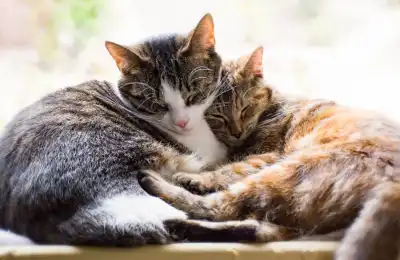
1. They Sleep Together
One of the most common signs of a bonded pair is two cats sleeping together. Cats are instinctively cautious about where they rest, so sharing that vulnerable time with another cat shows complete trust. Bonded cats may curl up against one another, intertwine their tails, or rest their heads together while they nap.
2. They Groom Each Other
If you see your cats licking one another’s faces or fur, it’s a clear sign of affection known as allogrooming. This is an important part of cat bonding, as it strengthens their relationship and helps them maintain each other’s scent. It’s a comforting reminder of safety and familiarity.
3. They Play Without Aggression
Bonded cats love to play together, often chasing, wrestling, and pouncing without any real hostility. You’ll notice that their body language stays relaxed, with no flattened ears or puffed-up tails. Even when things get rough, they know each other’s limits and quickly return to calm behaviour.
4. They Eat or Rest Close to One Another
Bonded cats are happy to share space. Whether they’re eating side by side or lounging in the same spot, they feel comfortable being close. Many owners notice that their cats seem to do everything in sync, from stretching in the morning to settling down at night.
5. They Communicate and Mirror Each Other
Cats in a bonded pair often develop their own way of communicating. You might see them exchanging chirps or gentle meows, rubbing heads, and mimicking each other’s movements. When one cat walks to the food bowl, the other often follows, almost like a reflection.
6. They Cuddle or Touch Often
If you’ve ever wondered why cats cuddle with each other, it’s partly to keep warm but also a way of showing affection. Bonded cats may rest their paws or heads against one another, maintaining physical contact as a source of comfort.
Common Questions About Bonded Cats
Can Two Cats Live Together and Not Be Bonded?
Two cats can share a home peacefully without being emotionally bonded. They might tolerate each other’s presence but prefer their own space. You’ll notice they don’t share beds, avoid grooming each other, and may eat or rest separately.
It’s also common for cats to have a polite but distant relationship, especially if they were introduced later in life. As long as there’s no fighting or constant tension, that’s still a successful cohabitation; it just means they’re not a bonded pair of cats.
At What Age Do Cats Become a Bonded Pair?

Bonded kittens often form strong connections early in life, particularly littermates who grow up together. These relationships can last into adulthood if the cats remain together. However, adult cats can also become bonded. It just takes time and positive shared experiences.
The key factor isn’t age but compatibility and trust. Some cats naturally gravitate towards one another, while others prefer independence. When the bond forms, it can be as strong as any formed in kittenhood.
Do Bonded Cats Always Sleep Together or Cuddle?
While bonded cats often nap together, they don’t need to do so constantly to prove their bond. Like people, cats enjoy alone time. What matters is how they behave when they are together. Do they seem relaxed, affectionate, and trusting?
If your cats sleep apart but still groom, play, and follow each other around, they’re likely still bonded.
Do Bonded Cats Hiss at Each Other?
Even the best relationships have the occasional disagreement. Bonded cats might hiss or argue briefly if one crosses a boundary, especially around food or territory. The difference is that these moments pass quickly. They’ll usually return to normal behaviour soon after, without holding grudges.
If hissing or aggression becomes frequent, it could indicate illness or environmental change rather than a broken bond. Observing how they interact afterwards is the best way to tell whether their connection remains strong.
Can Bonded Cats Share a Litter Box?
While some bonded cats don’t mind sharing, it’s generally recommended to provide one litter box per cat plus an extra. Even the closest pairs appreciate privacy, and sharing a box can cause tension over time. Having enough resources, including beds and food bowls, helps maintain a peaceful household.
Are Bonded Cats Happier Together?
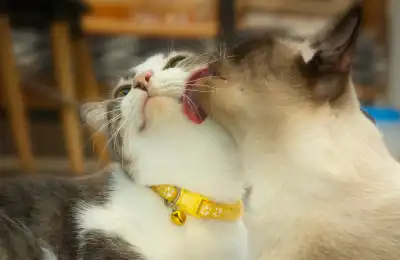
Many bonded cats seem noticeably happier when they have their companion nearby. They appear calmer and may show fewer signs of boredom or loneliness. However, this depends on the individual cats, as some prefer solitude, while others thrive on companionship.
If you have bonded kittens or cats that rely on one another, keeping them together ensures emotional stability and overall wellbeing.
What Happens If You Split a Bonded Pair of Cats?
Separating a bonded pair of cats can cause distress. Cats form emotional attachments, and losing their companion can lead to anxiety and changes in behaviour. You might notice reduced appetite, increased vocalisation, withdrawal, and other signs of grieving.
This is why rescue centres often insist that bonded pair cats are adopted together. Keeping them together helps them adjust to new environments more easily and prevents emotional trauma.
Can Bonded Cats Become Unbonded?
While rare, bonds can weaken under certain circumstances, such as major changes in the household or extended separation. A cat returning from the vet, for instance, might smell unfamiliar, causing temporary tension.
Reintroducing the cats slowly, with scent swapping and calm supervision, usually helps restore harmony. Once trust is rebuilt, they often reconnect and return to their old habits of grooming and cuddling.
Will Bonded Cats Remember Each Other?
Bonded cats often remember their companions, even after time apart. When reunited, you might see instant recognition through chirping and following behaviour. In some cases, if the separation has been long, they may need a short reintroduction period, but their bond usually resurfaces quickly.
How Long Can You Leave a Bonded Pair of Cats Alone?
If your cats are truly bonded, they’ll provide companionship for one another while you’re away, which makes short absences easier. You can generally leave bonded cats alone for a day or two with proper preparation, but longer absences should include a pet sitter or friend to check in.
Who Do Cats Bond with the Most?
Cats can form deep bonds with both cats and humans. They often bond most strongly with the person who feeds them and plays with them.
When it comes to feline friendships, bonded cats typically choose companions whose personalities complement their own. A confident cat may pair naturally with a gentler one, balancing each other out in their relationship.
How Do I Introduce Bonded Cats to a New Home?
If you’re adopting a bonded pair of cats, try to keep them together during the move. Set up a quiet, safe space with familiar items like blankets, beds, and toys to help them feel secure.
When introducing them to existing pets, do so gradually. Allow scent exchanges before face-to-face meetings, and make sure each cat has their own resources. Taking it slowly helps prevent stress and ensures harmony.
Recommended for you!
Best Sellers







Study Feline Behaviour and Psychology for £29
If you’d like to understand more about feline emotions, communication, and behaviour, our Cat Behaviour and Psychology Diploma Course is an excellent next step. You’ll explore how cats think, how they form relationships, and how to help them live their happiest lives. Enrol today for just £29 and start learning online at your own pace.