If you’ve got a clingy or vocal cat, you might be wondering what to do about it, especially if this behaviour has come out of the blue. This guide explores what it means when a cat is needy, and how you can support a cat who is suddenly craving more attention.
Jump to:
- Understanding Clingy Behaviour in Cats
- Why Is My Cat So Clingy All of a Sudden?
- Which Cat Breed Is Most Clingy?
- Are Boy or Girl Cats More Clingy?
- Why Is My Cat Being So Clingy and Vocal?
- Can Cats Get Too Attached to Their Owners?
- How to Deal with an Extremely Clingy Cat
- Study Feline Behaviour and Psychology for £29
Understanding Clingy Behaviour in Cats
Clingy behaviour is not the same as normal affection. Some cats love a cuddle, but clinginess shows up as:
- Following you constantly.
- Becoming distressed when you move away.
- Meowing excessively for attention.
- Interrupting you when you work, sleep, and relax.
- Refusing to settle unless they’re close to you.
Cat clinginess often comes down to comfort or emotional needs rather than manipulation or dominance. Cats simply look for security in the people they trust.
Why Is My Cat So Clingy All of a Sudden?
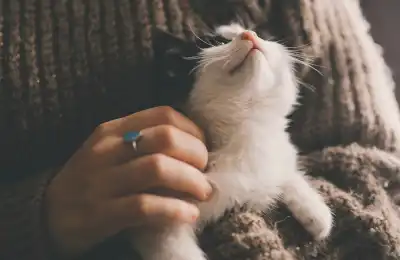
When a cat suddenly becomes clingy, it’s natural to worry. Sudden changes often have a clear cause:
1. Changes in Routine
Cats rely heavily on predictability. A new work schedule, moving house, guests, and new animals can unsettle them. If your cat has become clingy all of a sudden, think back to anything that shifted in the last few days or weeks.
2. Stress and Anxiety
Cats pick up on changes in the home’s atmosphere. Even subtle tension, like arguments or another pet acting differently, can make them feel insecure, prompting them to seek reassurance from you.
3. Illness or Discomfort
Sometimes clinginess is a sign your cat doesn’t feel well. Cats often hide pain, so they may stick closer to you because they feel vulnerable. If your cat’s clingy behaviour is paired with reduced appetite, hiding, vomiting, or litter box changes, a vet visit is recommended.
4. Seasonal and Weather Changes
Storms, heatwaves, colder weather, or more time indoors can affect your cat’s comfort level. They may come to you more often simply to feel safe or warm.
5. Emotional Reasons
Some cats become clingy because they rely on their favourite humans for emotional security, especially if you're noticing changes in their attachment. Cats who have experienced inconsistency or long periods without company may seek extra affection when you're home. Rescue cats and those with difficult pasts can also become more dependent because they finally feel safe and don’t want to lose that stability.
Which Cat Breed Is Most Clingy?
Some breeds are naturally more people-focused than others, including breeds like:
- Ragdolls
- Siamese
- Bengals
- Sphynx
- Burmese
- Scottish Folds
These cats are known for close bonding with their owners and enjoy being involved in every part of daily life. With these breeds, clinginess doesn’t necessarily mean something is wrong; it’s simply part of their personality.
Are Boy or Girl Cats More Clingy?
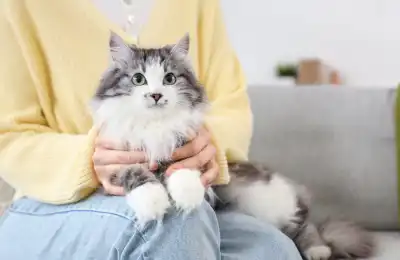
People often wonder whether male or female cats are more prone to clinginess, but the truth is that every cat is different. Personality, past experiences, and life stage tend to matter far more than gender alone.
Male Cats
Male cats, especially neutered ones, are often known for forming very deep bonds with their owners. They can be highly affectionate, expressive, and eager for attention, which sometimes leads people to feel their male cat is suddenly more attached than usual. Their sociable nature can make them appear clingier simply because they enjoy closeness and human interaction.
Female Cats
Female cats can also be very loving, though their affection is sometimes shown in quieter or more selective ways. Some become more attentive and extra clingy due to hormonal changes if they haven’t been spayed, while others grow more affectionate with age as their confidence and trust deepen. Many owners notice that older female cats tend to mellow and seek more companionship, which can make their bond feel even stronger over time.
Which Gender of Cat Is More Loyal?
Loyalty varies from cat to cat. Some males bond intensely, while some females form deep, lasting attachments. Rather than gender, the more important factors are the cat’s upbringing, socialisation, and home environment.
Why Is My Cat Being So Clingy and Vocal?
When a cat becomes both clingy and vocal, it’s often a sign that they’re trying to communicate a stronger need for comfort or attention. Meowing often can stem from reassurance-seeking, hunger, changes to feeding routines, age-related vocalisation, stress and anxiety, or medical issues such as hyperthyroidism.
In many cases, clinginess and vocal behaviour go hand in hand, with your cat using both body language and meowing to let you know they’re unsettled or need support.
Can Cats Get Too Attached to Their Owners?
Some cats can form overly intense bonds. This doesn’t mean the relationship is unhealthy, but it does mean your cat may struggle with independence. Signs of an overly attached cat include:
- Panic when left alone.
- Destructive behaviour.
- Constant attention-seeking.
- Excessive meowing when you move away.
Your cat may see you as their main source of comfort, which can become overwhelming for both of you.
How to Deal with an Extremely Clingy Cat
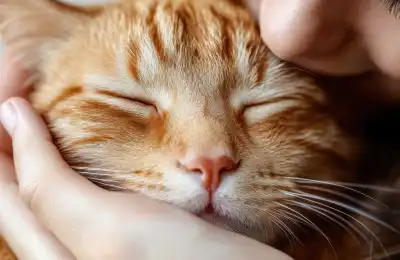
Helping a very clingy cat is all about building their confidence so they feel safe and secure even when you're not right beside them. Here are some practical ways to support them and create a calmer, more balanced dynamic at home.
- Build a Predictable Routine: Cats feel calmer when they know what to expect. Try to feed, play, and rest at roughly the same times each day.
- Encourage Independent Play: Puzzle feeders, interactive toys, scratching posts, cat trees, and window perches can help your cat enjoy time on their own.
- Use Positive Reinforcement: Reward calm, independent behaviour. This teaches your cat that relaxing away from you is a good thing.
- Provide Safe Spaces: Create cosy spots where your cat can retreat and feel secure without needing to sit on you.
- Increase Mental Stimulation: Clicker training, scent games, and treat hunts keep your cat’s mind busy.
- Avoid Reinforcing Clinginess: If your cat becomes clingy every time you leave a room, try not to immediately rush back to soothe them. This can teach them that clingy behaviour gets attention.
- Consider the Environment: If something has changed at home, give your cat time to adjust. You can help by offering structure and gentle reassurance.
- Seek Veterinary Advice: If you’re unsure whether the clinginess is behavioural or medical, a vet visit can give clarity and peace of mind.
Recommended for you!
Best Sellers






Study Feline Behaviour and Psychology for £29
If you’d like to learn more about feline psychology and strengthen your bond with your cat, you may enjoy our Feline Behaviour and Psychology Diploma Course. This self-paced online course gives you essential knowledge about feline behaviour, helping you to better understand your cat. Enrol today for just £29!