
Overgrooming in cats can lead to bald patches and sore skin, and it can have both physical and emotional causes. Understanding why it happens and how to treat it is the first step in helping your cat feel comfortable and content again.
This guide explores what overgrooming looks like, the most common causes, and the treatments that can make a real difference. It also offers practical home care tips and advice for reducing stress and maintaining your cat’s wellbeing.
Jump to:
What Is Overgrooming in Cats?
Overgrooming in cats, also known as barbering, occurs when a cat licks, bites, or chews its fur excessively, resulting in damage to the skin and coat. This behaviour often starts as normal grooming but becomes compulsive, leading to visible fur loss and irritation.
Cats typically overgroom in specific areas such as the belly, inner thighs, or base of the tail. The behaviour can also become self-reinforcing, as grooming releases endorphins that help cats calm themselves, making it a soothing, though unhealthy, habit.
Recommended for you!
Best Sellers



What Does Overgrooming Look Like on a Cat?
Overgrooming is often easy to spot once you know what to look for. Cats with this condition may show some or all of the following signs:
- Bald patches or thinning fur, particularly on the belly, legs, or tail base.
- Redness, scabs, or sores where the fur has been removed.
- Hairballs appearing more frequently due to excessive licking.
- Persistent focus on grooming a single area.
- Rough, broken fur or skin irritation.
How Do Vets Diagnose Overgrooming?
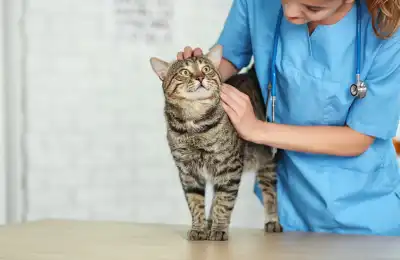
When diagnosing overgrooming, vets will examine your cat’s skin, check for parasites, and may take samples for allergy and infection testing. Blood tests can help identify hormonal imbalances, such as hyperthyroidism or diabetes, that may affect the skin or coat. If no medical cause is found, your vet will consider environmental and emotional triggers.
Medical Causes of Cat Overgrooming
Overgrooming is often linked to an underlying medical condition that causes itching, irritation, or pain. These issues make a cat feel uncomfortable, prompting them to lick or chew in an attempt to relieve the sensation.
1. Parasites
Fleas, mites, or lice can make a cat’s skin extremely itchy. Even one flea bite can trigger an allergic reaction, causing the cat to scratch or lick the affected area constantly. Cats with flea allergies often overgroom around the base of the tail and hindquarters.
2. Allergies
Food allergies may develop in response to certain proteins, while environmental allergies can result from pollen, cleaning products, or dust mites. Allergic reactions make the skin itchy and inflamed, leading to persistent licking or biting, particularly on the belly or legs.
3. Pain or Discomfort
Cats often lick areas that hurt. Overgrooming can occur near arthritic joints, sore muscles, or internal discomfort. For example, cats with urinary tract issues may overgroom their lower abdomen in response to pain or pressure.
4. Skin Infections or Conditions
Fungal and bacterial infections, such as ringworm or dermatitis, can lead to persistent itching and irritation. These infections can cause redness, scabs, and small sores that prompt continuous grooming.
5. Hormonal and Metabolic Disorders
Conditions like hyperthyroidism or diabetes can change the texture of a cat’s skin and coat. These changes may make the skin more sensitive or itchy, leading to overgrooming as the cat tries to soothe the discomfort.
Behavioural Causes of Cat Overgrooming
If medical problems are ruled out, overgrooming is often linked to emotional or behavioural factors. This form of overgrooming, known as psychogenic alopecia, is driven by stress, anxiety, and boredom.
1. Stress and Anxiety
Cats are sensitive to changes in their surroundings. Moving home, introducing new pets or people, loud noises, and changes in routine can all create anxiety. Grooming releases endorphins, which help cats feel calm, so anxious cats may lick or chew excessively as a form of self-soothing. Over time, this becomes a learned behaviour.
2. Boredom or Lack of Stimulation
Indoor cats, especially those left alone for long periods, can develop boredom-related behaviours such as overgrooming. When a cat lacks mental or physical stimulation, grooming can become a repetitive habit that fills the gap.
3. Environmental Frustration
Some cats overgroom due to environmental stressors such as overcrowding, limited access to resources (like litter trays or food bowls), or competition with other animals in the household. These pressures can cause anxiety that manifests as excessive grooming.
4. Habitual Behaviour
Occasionally, overgrooming begins with a temporary irritation or itch but continues after the original cause is resolved. The behaviour becomes habitual because grooming produces a calming effect, making it difficult for the cat to stop.
How to Stop a Cat From Overgrooming
Helping a cat stop overgrooming begins with identifying the cause. Treatment may include a combination of veterinary care, home management, and stress reduction.
1. Medical Treatments for Overgrooming in Cats
When overgrooming has a medical cause, treatment should always be guided by a vet. Common options include:
- Parasite control: Regular flea and mite treatments to remove irritation.
- Allergy management: Special diets, antihistamines, or corticosteroids to reduce allergic reactions.
- Pain relief: Anti-inflammatory or pain-relieving medication for arthritis or injury.
- Infection treatment: Antifungal or antibacterial medication for skin infections.
- Hormonal and metabolic management: Veterinary treatment for conditions such as diabetes or hyperthyroidism.
2. Behavioural Treatments for Overgrooming in Cats
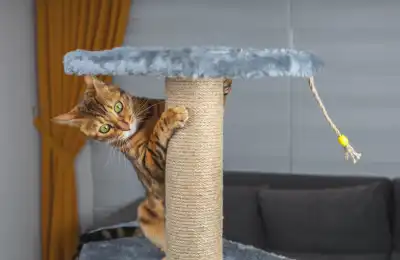
When emotional stress or anxiety causes overgrooming, behavioural support and environmental enrichment are key to recovery. Helpful approaches include:
- Stress reduction: Maintain a calm, predictable routine and minimise sudden changes.
- Environmental enrichment: Provide scratching posts, climbing spaces, and interactive toys to keep your cat mentally stimulated.
- Calming aids: Use pheromone diffusers, calming sprays, or herbal rescue remedies to reduce anxiety.
- Dietary support: Offer a high-quality diet with essential fatty acids to support healthy skin and coat.
- Behavioural therapy: Work with a feline behaviourist to identify triggers and introduce new coping strategies.
- Veterinary-prescribed medication: In some cases, anti-anxiety medication may be recommended under professional supervision.
Frequently Asked Questions
How long does it take for a cat’s fur to grow back after overgrooming?
The time it takes for fur to regrow depends on how much damage has been done and whether the cause has been resolved. In mild cases, fur can begin to grow back within a few weeks once the skin heals and the overgrooming stops. However, if the behaviour has been ongoing for months, full regrowth may take several months.
Is overgrooming contagious to other cats?
Overgrooming itself is not contagious, but the underlying cause might be. If the problem is related to parasites such as fleas or mites, other pets in the household could also be affected. In cases caused by stress or behavioural issues, cats may copy one another’s habits, especially if they share the same triggers, such as tension in a multi-cat household.
Does neutering or spaying affect grooming behaviour?
Neutering or spaying does not directly cause overgrooming, but it can influence hormone levels and reduce stress-related behaviours in some cats. In rare cases, a change in hormones after the procedure might briefly affect grooming patterns, but this usually settles quickly.
Can temperature or weather changes trigger overgrooming?
Some cats are sensitive to changes in temperature and humidity. Hot, dry weather can make the skin itchy, while cold weather may dry it out. Central heating in winter can also cause irritation. Regular grooming and ensuring good hydration can help maintain healthy skin and prevent discomfort during seasonal changes.
Are certain cat breeds more prone to overgrooming?
Any cat can develop overgrooming, but some breeds seem more susceptible. Siamese, Burmese, and other oriental breeds are known to be sensitive and may develop stress-related behaviours more easily than others. These breeds tend to benefit greatly from enrichment and mental stimulation to keep them happy and relaxed.
Can overgrooming return after treatment?
A change in the home environment or a reappearance of fleas may trigger the overgrooming behaviour again. Regular check-ups, ongoing flea prevention, and maintaining a stable environment help reduce the risk of relapse.
Recommended for you!
Best SellersStudy Our Feline Behaviour and Psychology Diploma for £29
To gain deeper insight into feline emotions, instincts and behaviour patterns, you can study the Feline Behaviour and Psychology Diploma Course with Centre of Excellence. This comprehensive course is currently available for a discounted price of £29, offering valuable knowledge for anyone who wants to support their cat’s wellbeing or explore a rewarding interest in animal psychology.




