If your cat trails behind you from the kitchen to the bathroom, it can sometimes feel like you have a furry little shadow. This behaviour is common, and for many owners it raises curiosity about what it really means.
This guide explores the many reasons why your cat may follow you everywhere. By understanding these reasons, you can respond with more empathy and strengthen your bond with your feline companion.
Jump to:
- 10 Reasons Why Your Cat Follows You Everywhere
- A Sense of Safety
- Affection and Bonding
- Curiosity and Exploration
- Expectation of Food
- Social Companionship
- Protective Instincts
- Routine and Habit
- Stimulation and Entertainment
- Comfort and Relaxation
- Health and Age Considerations
- How to Stop Your Cat From Following You
- Frequently Asked Questions
- Study Our Feline Behaviour and Psychology Diploma for £29
10 Reasons Why Your Cat Follows You Everywhere
Recommended for you!
Best Sellers




Cats are complex creatures with individual personalities, but there are common explanations for their tendency to follow their owners.
1. A Sense of Safety
Cats are naturally cautious animals who seek out comfort and protection in their environment. When your cat follows you, they may feel more secure knowing you are nearby. This behaviour is especially noticeable in kittens. Young cats instinctively cling to their caregiver, mirroring how they would stay close to their mother in the wild.
Even adult cats continue this behaviour, especially if they are shy, anxious, or live in a busy household. For them, you are a source of stability, and by staying close, they are able to relax more easily.
2. Affection and Bonding
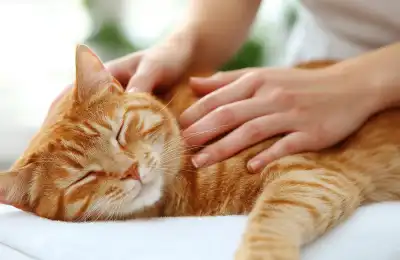
Cats show love in different ways, some through cuddling, others by sitting in your lap, and many by simply being near you. By walking alongside you or choosing to spend time in the same room, your cat is showing that they value your company.
If your cat follows you but does not like cuddling, this does not mean they are less affectionate. Instead, they may prefer affection at a distance, expressing love by their constant presence. This subtle behaviour is a powerful indicator of the trust they place in you.
3. Curiosity and Exploration
Cats are naturally inquisitive; their sharp senses are tuned to changes in their environment, and they like to investigate whatever is happening. When you move around the house, your cat may follow because they want to know what you are doing.
To a cat, a closed door is an irresistible puzzle. They want to know what lies behind it and why they were excluded. Their curiosity can sometimes make them seem nosey, but it is part of their instinct to explore.
4. Expectation of Food
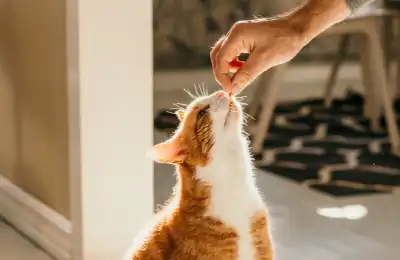
If you are the one who fills their bowl or gives them treats, your cat may follow you in anticipation of food. This behaviour is especially obvious around mealtimes, but some cats will try their luck at any time of day.
Even subtle movements can spark hope in a cat who is motivated by food. Heading to the kitchen, opening a cupboard, or walking past the spot where treats are stored can encourage them to follow you. It’s their way of saying they are ready for a snack, whether or not it’s mealtime.
5. Social Companionship
Despite their reputation for independence, cats are social animals. In multi-cat households, they often follow each other, and they extend the same behaviour to their human family. When your cat follows you from room to room, it’s a form of companionship.
This is one of the reasons cats often choose to sleep with their owners. Resting beside you is part of their social connection. For your cat, being close is a natural way of reinforcing your bond.
6. Protective Instincts
Cats are highly territorial and may view themselves as guardians of their household. Following you around the house may be your cat’s way of keeping an eye on you and ensuring nothing threatens your safety. It may not be obvious, but to your cat, they are offering you a kind of watchful support.
7. Routine and Habit
If your cat has followed you since they were young, it may have become part of their daily routine. If you get ready for bed each evening at a set time, your cat may automatically trail behind you.
8. Stimulation and Entertainment
Cats need stimulation, and when their environment feels quiet, they often look to their owners for something to do. Following you is one way they entertain themselves. Watching your actions, investigating the objects you touch, or playing with your movements provides them with mental and physical enrichment.
You may notice this more in younger cats who have higher energy levels. When they are playful, following you can turn into a game, especially if they dart ahead or try to “ambush” you as you walk.
9. Comfort and Relaxation
Cats are drawn to warmth, familiarity, and calm environments, and you provide all three. Following you ensures they can stay close to their source of comfort. Being near you helps them relax and feel content, making your presence central to their sense of wellbeing.
10. Health and Age Considerations
In some cases, the following behaviour may be linked to health issues. Older cats or those experiencing changes in their vision, hearing, or confidence may stay close to their owners because it reassures them.
An increase in the following behaviour can also be a sign of anxiety or illness. If your cat suddenly becomes more clingy than usual, it is worth consulting a vet to rule out any underlying medical concerns. While it is often a sign of affection, changes in behaviour should never be ignored.
How to Stop Your Cat From Following You
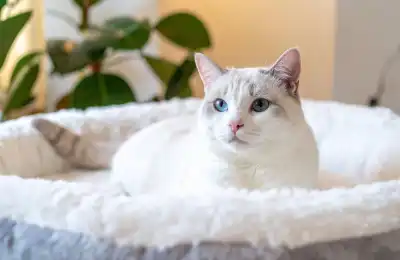
While it can be flattering, having your cat follow you constantly can sometimes feel annoying. The good news is that you can gently encourage independence without damaging your bond.
- Offer enrichment: Provide scratching posts, climbing trees, and puzzle toys to keep your cat occupied.
- Dedicate playtime: Use interactive toys to give them focused attention. This helps meet their need for stimulation and reduces their reliance on following you.
- Create resting spots: Place cosy beds or blankets in different areas of the home so your cat has inviting places to settle away from you.
- Encourage independence: Gently reward your cat when they choose to relax alone. This builds their confidence in spending time without constant supervision.
- Maintain a steady routine: Cats relax when they know what to expect. Feeding, play, and rest at regular times can help them feel secure even when you are not nearby.
Frequently Asked Questions
Can the following behaviour be a sign of separation anxiety in cats?
While separation anxiety is more commonly associated with dogs, some cats also experience distress when left alone. If your cat follows you excessively, vocalises when you leave, or shows signs of stress in your absence, separation anxiety may be the cause. Providing enrichment, gradual independence training, and reassurance can help reduce this behaviour.
Do certain breeds follow their owners more than others?
Some breeds are naturally more people-oriented. Siamese, Burmese, Ragdolls, and Maine Coons, for example, are well known for shadowing their owners and seeking constant companionship. While every cat is an individual, breed tendencies can play a role in how likely they are to follow you.
Is the following behaviour more common in indoor cats?
Indoor cats often spend more time observing and engaging with their owners because their environment is more limited than that of outdoor cats. Following you can provide them with stimulation and variety throughout the day. Outdoor cats may be less dependent in this way, though they can still show similar behaviour when indoors.
Do cats follow people they don’t like?
Cats are unlikely to follow someone they feel uncomfortable around. Following is almost always linked to trust, curiosity or a positive expectation, such as food or play. If your cat shadows you, it’s a good sign they enjoy your company.
Why does my cat meow when following me?
Cats use vocalisation to get your attention, express needs, or simply “talk” to you. Some cats develop a conversational style with their owners, where following and meowing combine as a way of maintaining contact.
Do kittens grow out of following behaviour?
Often, kittens are more dependent and clingy than adults because they are learning about their environment and looking for reassurance. While many cats remain close companions as they grow, some become more independent with age. Others continue to follow their owners for life; it depends on personality and upbringing.
Recommended for you!
Best SellersStudy Our Feline Behaviour and Psychology Diploma for £29
The Feline Behaviour and Psychology Diploma Course with Centre of Excellence offers a comprehensive look into feline psychology and behaviour. It is perfect for anyone who wants to deepen their understanding of cats, whether for personal interest or professional development. For a limited time, you can enrol for just £29.