Bringing a cat or kitten into your home is a joyful experience, but ensuring they feel comfortable using a litter tray is one of the first and most important steps towards a happy and hygienic home.
This guide explores how to train your cat to use a litter box, including how to teach kittens the habit early and how to retrain adult cats that may have forgotten or never learned. You’ll also find practical advice on setting up the perfect litter area and troubleshooting common problems.
Jump to:
Preparing Your Home for Litter Training
Before you start litter training, it’s worth taking time to prepare properly. Cats can be sensitive to their environment, so getting the setup right from the beginning can make the process much easier and faster. The following steps explain how to create the ideal conditions for success.
Recommended for you!
Best Sellers






Choosing the Right Litter Tray
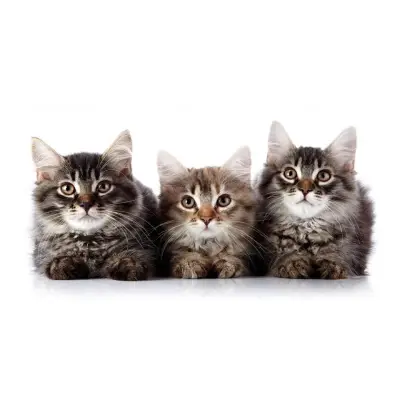
Cats value comfort and security when it comes to toileting, so the tray or box you choose plays a big role in how quickly your cat adapts. It should be large enough for your cat to turn around comfortably, with sides high enough to contain litter but low enough for easy access.
Kittens and older cats often prefer lower sides to step into, while larger cats may need a bigger, open box. Some owners like lidded trays for odour control, but many cats prefer open boxes where they can see around them. The only way to know which your cat prefers is to observe their behaviour.
For households with multiple cats, the golden rule for litter boxes is one per cat, plus one extra. This prevents competition and helps every cat feel secure about where they go.
Choosing the Right Litter
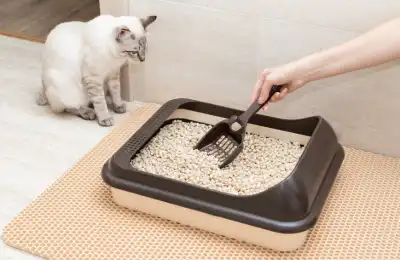
Selecting the right litter can make a big difference in how comfortable your cat feels. Cats have preferences for texture and smell, and some litters can irritate sensitive paws and noses. There are several common types to consider:
- Clumping litter: Makes cleaning easier because waste forms clumps that can be scooped daily.
- Non-clumping litter: Often cheaper but needs changing more frequently.
- Silica crystal litter: Absorbs odour well and lasts longer, but can feel sharp under sensitive paws.
- Natural or biodegradable litter: Made from wood, corn, tofu or paper and is gentle and environmentally friendly.
Start with a soft, unscented litter if you’re unsure. Strong scents can put cats off using the tray altogether. If your cat refuses to use the box, switching the litter type is often the simplest solution.
Deciding How Much Litter
The right depth of litter is important. Too little and your cat won’t be able to dig or bury; too much and it may spill over the sides. Around 5 to 7 centimetres (2 to 3 inches) is generally ideal. Cats that like to dig may prefer a little more depth, while kittens often do better with less, so they can move easily.
Choosing the Best Location for the Litter Box
The litter box should always be placed somewhere private and easy to access. Cats like to feel safe while using it and may avoid areas that are noisy and busy. Choose a calm corner away from household traffic, food bowls and sleeping areas.
Good locations include quiet corners of living rooms, utility rooms or spare bathrooms. Avoid putting the box next to washing machines, under stairs or behind doors where your cat might be startled. Cats need to feel relaxed when using the litter tray; a sense of safety encourages consistent use.
How Often Should I Clean the Litter Box?
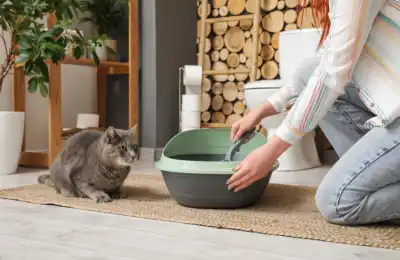
Cats are naturally clean animals, and a dirty litter box is one of the most common reasons they stop using it. Scoop out solids at least once a day, and replace the litter completely once or twice a week, depending on the type.
Wash the tray with warm water and unscented soap before refilling. Avoid strong disinfectants or bleach, which can leave odours that discourage your cat from returning. Keeping the litter box clean also makes training easier, as your cat will always find it a pleasant place to go.
How to Train a Kitten to Use a Litter Box: 4 Steps
Kittens usually learn to use a litter tray quickly because they naturally want to bury their waste. However, they still need guidance and consistency. These four steps will help you establish good habits early and ensure your kitten becomes fully litter trained.
1. Introduce the Litter Box Early
Kittens can begin using a litter tray as soon as they can walk steadily, usually around three to four weeks old. Place a small tray with shallow litter in a quiet corner of their play area. Keep the tray in the same spot until they are confident and use it regularly.
2. Encourage Regular Use
Place your kitten in the litter box after meals, naps and play sessions. These are the times when they are most likely to need to go. Speak softly and let them explore the litter at their own pace. Most kittens will instinctively start digging and use the tray.
Avoid punishment and frustration if there are accidents. Gently clean the area and return your kitten to the tray to remind them of the correct place.
Step 3: Keep the Tray Accessible and Clean
If your kitten has to search for the litter tray or finds it dirty, they may choose another spot. Keep it in an easy-to-reach place and clean it frequently. Kittens are still learning about hygiene, and regular cleaning helps them understand where they should go.
Step 4: Praise and Reinforce Good Habits
When your kitten uses the litter box correctly, praise them with a calm voice and offer a gentle stroke. This builds trust and reinforces that they’ve done the right thing. Over time, these good habits will become automatic.
Can You Litter Train a Grown Cat?
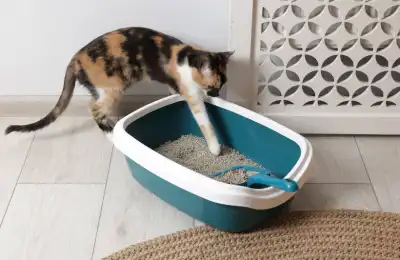
With calm encouragement, adult cats can be litter trained or retrained, even if they have never used a tray before. Start by providing the same clean, accessible setup you would for a kitten. Make sure the tray is in a quiet area with comfortable, unscented litter.
If your cat has previously gone outdoors, try filling the tray with garden soil or sand at first to mimic the textures they’re familiar with. Once they start using it regularly, gradually mix in litter until they fully transition.
When retraining, restrict the cat’s access to a small, comfortable area with their litter tray, food and bedding until they consistently use the tray. Over time, expand their space as they develop confidence.
Why Can’t I Litter Train My Cat?
Sometimes, despite your best efforts, a cat may still refuse the litter box. There are several possible reasons, and each has a practical solution.
- Medical problems: If your cat suddenly stops using the litter box or avoids it altogether, visit your vet to rule out medical causes. Urinary tract infections, constipation, arthritis, or stress-related issues can all make toileting difficult or painful. Once treated, most cats return to normal habits quickly.
- Litter or tray issues: Try switching to a different litter type or offering an open box. The location of the box can also make a difference. If it’s placed somewhere noisy or inaccessible, your cat may simply feel uncomfortable using it.
- Cleanliness: A dirty litter box is one of the most common causes of problems. Cats will often look for another spot if the box isn’t cleaned regularly. Keep it fresh and odour-free to encourage daily use.
- Stress or environmental changes: Cats are creatures of habit, and small changes like moving house, rearranging furniture or adding new pets can cause stress and lead to toileting accidents. Provide a calm environment and reassurance.
Frequently Asked Questions
How long does it take for a kitten to become fully litter-trained?
Most kittens learn to use the litter tray within a few days to a week, especially if they have a consistent setup and are encouraged gently. However, complete reliability may take a few weeks as your kitten’s coordination and understanding grow. Routine and patience are key during this stage.
Should I move the litter box once my cat is using it regularly?
It’s best to avoid moving the litter box once your cat is comfortable with its location. Cats build strong associations with their toileting spots, and sudden changes can cause confusion. If you must move it, do so gradually by shifting it a small distance each day until it reaches the new spot.
What type of cleaner should I use for accidents?
Use an enzymatic cleaner designed to remove pet odours. Standard household cleaners or bleach may not break down the odour-causing enzymes in urine, meaning your cat might still smell the spot and return to it. Enzymatic cleaners completely neutralise the scent and discourage repeat accidents.
How can I manage litter training when travelling or moving house?
If you move or travel, keep your cat’s litter box setup as consistent as possible, using the same tray, litter type and cleaning routine. Place the tray in a quiet corner of the new environment straight away so your cat recognises it as their safe spot. Familiarity helps reduce stress and encourages continued good habits.
Recommended for you!
Best SellersStudy Our Feline Behaviour and Psychology Diploma for £29
Understanding your cat’s behaviour makes every aspect of training easier and more enjoyable. If you’d like to learn more about feline habits, communication and emotional wellbeing, we offer a Feline Behaviour and Psychology Diploma Course designed to deepen your knowledge and strengthen your bond with your pet. You can enrol today for the special price of £29.