Feline companions form strong emotional bonds, and when one passes away, the remaining cat often feels the absence in a way that can affect their behaviour and health.
This blog post explores how cats express grief, the common signs to look out for, and how you can best support your feline friend during this emotional time.
Jump to:
Do Cats Grieve and Understand Death?
Cats may not fully understand the concept of death, but they are sensitive and perceptive animals that notice change quickly. The sudden disappearance of a bonded companion can lead to confusion and distress. Some cats even sense when another cat is nearing the end of life due to changes in scent and energy, which can heighten their own emotional response.
Although cats cannot rationalise death as humans do, they clearly experience emotional reactions to it. This is often seen through altered routines and vocal changes. Grief in cats is real, and understanding these signs can help you respond with compassion and patience.
Recommended for you!
Best Sellers
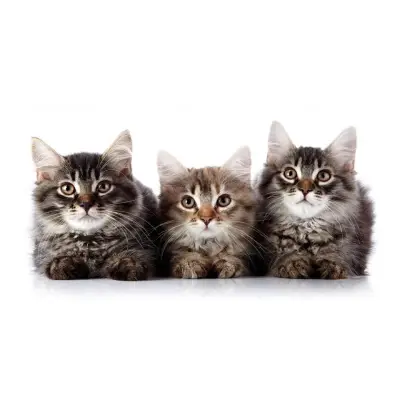






8 Signs of Grieving in Cats
When grieving, cats may display subtle or noticeable changes in behaviour. These signs can last from a few days to months, depending on the bond they shared with their lost companion. The following are the most common signs of feline grief.
1. Changes in Appetite
Appetite loss is one of the most telling signs of emotional distress. When daily life feels unsettled, mealtimes can lose their appeal. A lack of appetite for more than a day can lead to health concerns, especially in older cats. Offering warm, aromatic food, feeding by hand, or sitting near them while they eat can gently encourage them to resume their routine.
2. Withdrawal or Hiding
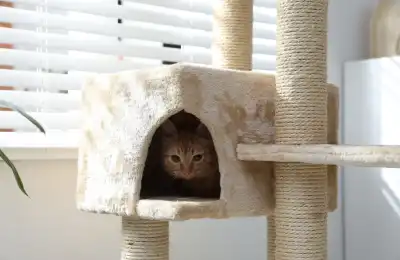
After losing a close companion, cats often seek solitude. They may retreat to quiet, hidden spaces such as under furniture or behind curtains. This behaviour reflects their instinct to process emotions privately and protect themselves when feeling vulnerable. While it’s important to give them space, reassurance is equally vital. Softly speaking to your cat and sitting nearby can remind them they’re not alone.
3. Increased Vocalisation
Some cats express grief through more frequent and louder vocalisations. Their meows may sound longer and more mournful than usual. This vocal behaviour is often a way of searching for their lost companion or expressing confusion about the change in their environment.
Providing gentle attention and calm companionship can help your cat feel secure. Over time, these vocalisations tend to lessen as they adjust to the new household dynamic.
4. Clinginess and Seeking Comfort
Grief can also manifest as increased affection. A bereaved cat may follow you from room to room, sit closer than usual, and sleep pressed against you. This clinginess is a sign that your cat is seeking reassurance and emotional warmth to replace what they’ve lost. Extra attention and playtime can provide the comfort they need.
5. Searching Behaviour
Many cats look for their lost companion around the home, checking favourite sleeping spots and waiting by doors and windows. This searching behaviour shows that your cat recognises the absence but doesn’t understand its permanence. Allowing your cat to smell or see their companion’s body, if possible, can sometimes help them process the loss. Otherwise, they may continue to search for several days or weeks until the realisation settles in.
6. Sleeping More or Less Than Usual
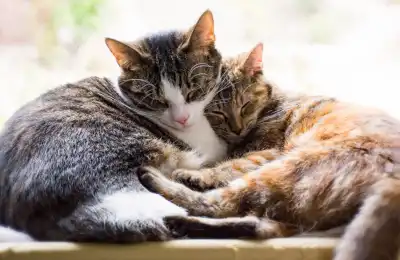
Grieving cats may either sleep excessively or struggle to rest. Increased sleep often reflects sadness and withdrawal, while restlessness can indicate anxiety and disorientation.
Creating a calm environment helps support healthy rest. Provide a warm, quiet area with familiar bedding and avoid sudden changes to their sleeping arrangements.
7. Loss of Interest in Play or Routine
Cats thrive on structure and stimulation. During grief, many lose enthusiasm for play or grooming. Their energy levels drop, and their favourite toys and treats might no longer appeal.
This disinterest often reflects emotional exhaustion. Encouraging gentle interaction, such as short play sessions or light grooming, can gradually reignite curiosity and lift their mood.
8. Changes in Temperament
Grieving cats may display uncharacteristic behaviours such as scratching furniture, spraying, and refusing to use the litter tray. These actions are not signs of disobedience but stress-related responses to change. Gentle reassurance and affection can help rebuild trust and comfort.
Physical Signs of Stress
Emotional distress can often lead to noticeable physical changes in your cat. These signs may appear gradually and can vary depending on the cat’s temperament and the depth of their grief. Common physical signs include:
- Overgrooming or lack of grooming: Some grieving cats lick or chew their fur excessively, leading to bald patches or irritated skin. Others may stop grooming altogether, leaving their coat dull and unkempt.
- Digestive issues: Stress can sometimes lead to vomiting, diarrhoea, or constipation as the body reacts to emotional strain.
- Weakened immunity: Prolonged grief and stress can lower your cat’s immune response, making them more prone to minor illnesses.
If symptoms persist beyond a few weeks, seek advice from your vet. Early support can prevent grief from developing into depression and long-term health issues.
How Long Do Cats Mourn the Loss of Another Cat?
The duration of mourning varies greatly between cats. Some begin to recover within a few weeks, while others may show signs of sadness for several months. The depth of their bond and environment play a role in how long they grieve.
How to Help a Grieving Cat
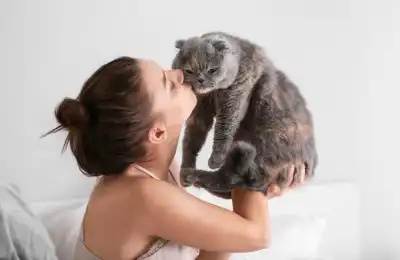
There are several ways to help your cat adjust and heal:
- Maintain consistent routines: Familiar feeding times, play sessions, and sleeping arrangements help your cat feel secure.
- Offer gentle affection: Spend extra time with your cat, speaking softly, grooming them, and offering comfort without overwhelming them.
- Encourage play and stimulation: Introduce new toys or activities gradually to re-engage their curiosity and lift their mood.
- Provide familiar scents: Leaving out a blanket or toy with their companion’s scent for a short time can offer comfort.
- Create a peaceful environment: Reduce noise and household disruption, allowing them to grieve in safety.
- Monitor their well-being: If they show prolonged signs of sadness, appetite loss, or illness, consult your vet for guidance.
Frequently Asked Questions
Do cats grieve for humans as well as other cats?
Cats often form deep emotional bonds with their human caregivers and can grieve when a person they love passes away or leaves. You may notice similar behaviours, such as withdrawal, vocalisation, or changes in appetite, as they adjust to the absence.
Is it normal for my cat’s grief to last several months?
Grieving is a personal experience, and some cats take months to recover, especially after losing a lifelong companion. As long as your cat is eating and slowly re-engaging with their environment, their healing is progressing normally. Persistent or worsening sadness may indicate depression, in which case a vet or feline behaviour specialist can provide additional guidance.
What can I do if my cat stops grooming or using the litter tray?
These changes often indicate stress rather than disobedience. Encourage grooming through gentle brushing, and ensure the litter tray is clean and located in a quiet, private space. If these behaviours continue, consult your vet to rule out medical causes.
Can pheromone diffusers help a grieving cat?
Synthetic pheromone diffusers or sprays can help calm a stressed or anxious cat by mimicking natural scent signals that promote relaxation. They’re particularly useful during times of emotional upheaval, such as after a bereavement or when household routines change.
Recommended for you!
Best SellersStudy Our Feline Behaviour and Psychology Diploma for £29
If you’d like to understand your cat’s emotions and behaviour on a deeper level, our Feline Behaviour and Psychology Diploma Course is a wonderful place to start. You can currently enrol for just £29!