If you’ve ever caught your cat chewing on a plastic bag, nibbling a blanket, or trying to eat something that’s not food, you might have wondered what’s going on. While some cats explore with their mouths out of curiosity, persistent chewing or swallowing of non-food items could be a sign of pica in cats.
This behaviour can seem odd or amusing at first, but pica can be dangerous and sometimes points to an underlying issue that needs attention. Understanding what causes it and what you can do to help your cat is key to keeping them safe and healthy.
Jump to:
What Is Pica?
Pica disorder in cats refers to the habitual eating or chewing of non-edible materials such as fabric, plastic, cardboard, paper, wool, string, and rubber bands. It happens when cats develop an appetite for things that aren’t food.
The word comes from Pica pica, the Latin name for the magpie, a bird known for eating just about anything it finds. Similarly, cats with pica may try to ingest objects that could harm them.
Although it’s relatively rare, pica syndrome in cats can range from mild to severe and often needs management or treatment, depending on what’s driving the behaviour.
How Does Pica Develop?
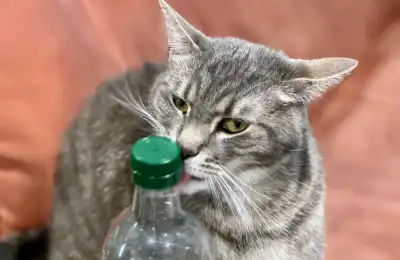
Pica can develop for several reasons, often linked to emotional or physical triggers. Some cats begin chewing odd things when they’re kittens and never grow out of it, while others develop it later in life due to stress or health issues.
The three main types of pica are often described as:
- Nutritional pica – linked to diet deficiencies or digestive issues.
- Behavioural pica – tied to anxiety, boredom, and stress.
- Medical pica – related to health conditions such as anaemia, thyroid problems, and dental pain.
How to Identify Pica in Cats
Spotting pica early can prevent harm. Look for these common pica in cats symptoms:
- Chewing or sucking on fabrics like blankets or clothes.
- Licking or gnawing on plastic bags or cardboard.
- Missing items around the home, such as hair ties, that may have been swallowed.
- Signs of digestive upset such as vomiting, diarrhoea, and constipation.
- Lethargy or discomfort, which can suggest a blockage.
What Causes Pica Disorder in Cats?
There’s no single cause, but several factors may contribute:
1. Boredom and Lack of Stimulation
Cats are natural hunters and explorers. If they don’t have enough playtime or mental engagement, they might turn to chewing as entertainment or comfort.
2. Stress and Anxiety
Moving house, a new pet, grief, or changes in routine can trigger anxiety. For some cats, chewing or sucking objects becomes a soothing habit, much like how humans might bite their nails.
3. Dietary Deficiencies
Sometimes, pica is linked to missing nutrients. Cats lacking certain minerals or vitamins may start eating odd items to compensate.
4. Medical Issues
Conditions such as gastrointestinal problems, anaemia, and thyroid disorders can cause unusual eating behaviours. In these cases, medical treatment is necessary.
5. Breed Tendencies
Certain breeds, such as Siamese, Burmese, and Tonkinese, appear more prone to pica. While research continues, it’s thought that genetics and early weaning may play a role.
Is Pica in Cats Dangerous?
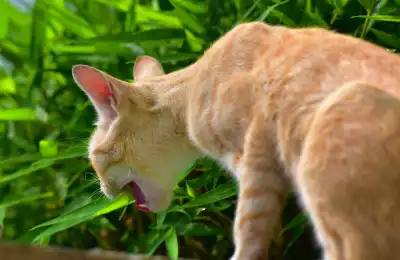
Pica in cats can be dangerous. Depending on what your cat eats, it can lead to:
- Choking or internal blockages – swallowing fabric or plastic can clog the digestive tract.
- Toxicity – some materials, like rubber or treated paper, may contain harmful chemicals.
- Dental damage – chewing on hard objects can wear down or break teeth.
Treatment Options
There’s no one-size-fits-all approach to pica in cats treatment, but a combination of strategies often works best.
1. Veterinary Care
Your first step should always be a vet visit. They may recommend medication or further testing if a medical cause is suspected.
2. Dietary Adjustments
A high-quality, balanced diet supports overall health and can reduce cravings. Your vet may suggest food rich in fibre or specific nutrients your cat lacks. If your cat is a picky eater and regularly leaves their food, they may not be getting the nutrients they need.
3. Environmental Enrichment
Provide plenty of toys, scratching posts, climbing trees, and puzzle feeders to keep your cat engaged. Rotating toys regularly helps maintain interest.
4. Behavioural Support
For anxious cats, pheromone diffusers or gentle desensitisation to stress triggers can help. Reducing loud noises, maintaining a calm environment, following a routine, and giving consistent attention make a big difference.
5. Remove Temptation
Keep dangerous or tempting items like plastic, rubber bands, hair ties, and wool out of reach. Providing safe chew alternatives, such as cat-safe dental toys, can help redirect the behaviour.
6. Natural Remedies
If you’re curious about how to cure pica in cats naturally, some owners find success using cat-safe herbs and calming supplements, or gentle aromatherapy (only under professional guidance).
Can Pica in Cats Be Prevented?
While not always preventable, you can greatly reduce the risk. Here’s how to get rid of pica tendencies or prevent them from forming:
- Keep daily routines consistent.
- Offer varied playtime and enrichment.
- Feed a balanced, complete diet.
- Avoid early weaning for kittens where possible.
- Minimise stress when introducing changes.
Common Questions About Pica in Cats
What Is the Prognosis for Pica?
The prognosis depends on the cause and your cat’s response to treatment. Cats with stress-related or boredom-driven pica often improve significantly with environmental changes and consistent care. Those with underlying health issues can also recover well once the root problem is treated.
Does catnip help cats with pica?
For certain cats, catnip offers healthy stimulation that distracts from chewing habits, though it’s not effective for all.
What percentage of cats have pica?
Studies suggest that between 30% and 42% of cats show symptoms at some point, though mild cases often go unnoticed.
How serious is pica in cats?
The answer depends on frequency, what’s being eaten, and how quickly it’s addressed. In severe cases, surgery may be required to remove blockages, which is why early detection is essential.
Should I Take My Cat to the Vet for Pica?
Even if you’re unsure, it’s always best to take your cat to the vet for pica symptoms. Your vet can rule out underlying medical causes and offer behavioural and dietary advice.
Recommended for you!
Best Sellers






Study Feline Behaviour and Psychology for £29
If you’d like to understand your cat’s mind and behaviour on a deeper level, our Feline Behaviour and Psychology Diploma Course is the perfect next step. You’ll discover how to interpret feline communication, manage behavioural problems like pica, and build a stronger bond with your cat. The course is currently available for a discounted price of £29.