Many cats are fussy about food, and while it can be frustrating, there are usually clear reasons behind the behaviour. This guide explores how to recognise picky eating in cats, the six most common reasons it happens, and what you can do to encourage stress-free, healthier mealtimes.
Jump to:
How to Know if Your Cat is a Picky Eater
Before assuming your cat is fussy, try to notice the patterns. They might sniff food and walk away without touching it, or eat only a small portion before leaving the rest behind. Some cats will happily accept food one day but refuse the same meal the next. Others show a strong preference for certain textures, such as gravy over jelly, while a few may beg for food and then reject it once it’s offered.
If your cat displays these behaviours regularly, they could be a fussy eater rather than one who is simply full or unwell. However, if your cat suddenly refuses all food or stops eating for more than 24 hours, it’s important to contact your vet immediately.
Recommended for you!
Best Sellers







6 Common Reasons for Picky Eating in Cats

Cats can be selective for many reasons, ranging from health issues to environmental changes. Let’s look at six of the most common explanations and how you can tackle them.
1. Texture and Temperature Preferences
Cats often decide whether food is appealing based on how it feels and smells. Some prefer pâté-style food, while others want chunks in gravy. Likewise, many cats dislike cold food straight from the fridge. Try warming wet food for a few seconds (never too hot) to release aromas, or experiment with different textures.
2. Health or Dental Problems
Dental disease, sore gums, and underlying medical conditions may cause a cat to refuse food. You might also notice signs like pawing at the mouth, bad breath, or dropping food while chewing. A veterinary check-up can rule out or treat health concerns.
3. Too Many Treats or Extras

If your cat gets lots of treats, scraps, or free access to dry food, they may start holding out for something tastier. Over time, this creates a cycle of picky eating. Cut back on treats and stick to set mealtimes. Offer food for 20–30 minutes, then take it away until the next mealtime. This helps reset expectations and teaches your cat that their main food is what’s on offer.
4. Stress and Environment
Cats are sensitive to their surroundings, and stress can affect appetite. Moving house, changes in routine, and noise around the feeding area can put your cat off. Feed your cat in a quiet, calm space away from other pets and household commotion. Sometimes, changing the bowl to glass or ceramic can make a difference, as metal bowls may carry odours.
5. Boredom With the Same Food
Some cats crave variety, while others will happily eat the same thing for years. Rotate between a few different flavours or brands, but make changes gradually to avoid stomach upset. Try adding a little tuna water or unsalted chicken broth as a topper.
6. Learned Behaviour
Cats are clever and quickly learn that refusing one food leads to something “better” being offered. Don’t constantly switch foods at the first sign of refusal. Instead, offer meals consistently, reduce extras, and stay patient. This helps break the cycle of learned fussiness.
How to Stop Your Cat From Being a Picky Eater
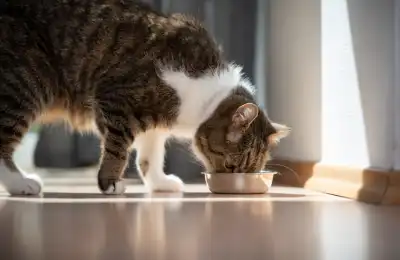
If you’re dealing with a cat that’s a picky eater, here are some practical tips:
- Stick to a routine: Offer food at the same times each day.
- Avoid overfeeding treats: Save them for training or rewards.
- Experiment safely: Try different textures, temperatures or food toppers.
- Keep bowls clean and fresh: Cats may refuse stale snacks and food from dirty dishes.
- Offer small, frequent meals: Cats often prefer several smaller meals rather than one large one.
- Monitor appetite closely: If your cat refuses all food or shows signs of illness, seek veterinary care.
Frequently Asked Questions
Why is my cat so fussy with food at certain times of day?
Cats often eat in small amounts throughout the day rather than finishing everything at once. If your cat seems fussier in the morning or evening, it may be linked to their natural rhythm or the freshness of the food at that time. Try offering smaller, more frequent meals to see if this improves consistency.
What should I do if my cat suddenly refuses wet food but still eats dry food?
If your cat suddenly rejects wet food but continues with dry, it could be a preference issue, or it could mean the wet food texture or smell is no longer appealing. However, a sudden change in appetite can also point to dental discomfort or illness. If this behaviour persists for more than a day or two, a veterinary check is a good idea.
Why is my cat only interested in human food?
Some cats become fascinated with human meals, especially if they’ve been offered scraps before. It’s important to resist giving in, as many human foods aren’t safe for cats. Instead, encourage your cat to focus on their own diet by reducing access to table food and sticking to a routine.
Can stress from another pet make my cat a picky eater?
Cats are highly sensitive to their environment, and competition or tension with another pet can make them reluctant to eat. If you suspect this, try feeding your cat in a quiet, separate room where they feel safe. This can reduce anxiety and help them enjoy meals without distraction.
What’s the best cat food for cats with sensitive stomachs?
If your cat is fussy and prone to digestive upsets, foods designed for sensitive stomachs can help. Look for high-quality, easily digestible options with fewer fillers. Always introduce new food slowly to avoid tummy troubles.
How do I know if my cat’s picky eating is behavioural or medical?
Behavioural picky eating usually follows patterns, such as refusing certain flavours or textures but eating others. Medical issues are more likely if your cat suddenly loses appetite, shows signs of pain, or starts dropping weight.
Recommended for you!
Best SellersStudy Our Feline Nutrition Diploma for £29
If you’d like to understand more about feline diets, feeding habits, and how to keep your cat healthy, the Feline Nutrition Diploma Course from Centre of Excellence is the perfect place to start. For a limited time, you can enrol for just £29.