If you’ve ever tried taking your cat to the vet, you’ll know that it can sometimes feel like a battle of wills. From the moment you bring out the carrier, your once-cuddly companion may transform into a bundle of nerves, disappearing under the nearest bed. For many cat owners, visits to the vet are one of the few times their pets show signs of real distress, and it can be heartbreaking to watch.
Understanding why cats at the vets often become anxious, and learning how to calm a cat down for a vet, can make the experience easier for both of you. With the right preparation and positive reinforcement, you can help your cat feel much more comfortable, and even make future trips smoother.
Let’s explore why cats in vets can become stressed, and what you can do to keep your feline friend calm every step of the way.
Jump to:
- Why Do Cats Get Nervous at the Vet?
- Step 1: Get Your Cat Used to Their Carrier Early
- Step 2: Choose the Right Carrier and Keep It Comfortable
- Step 3: Keep Calm
- Step 4: Make the Car Ride as Smooth as Possible
- Step 5: Arrive Early and Stay Calm in the Waiting Room
- Step 6: Support Your Cat Gently at the Appointment
- Step 7: Reward and Reassure Afterwards
- Step 8: Consider Desensitisation and Behavioural Support
- How Do You Bring an Uncooperative Cat to the Vet?
- When to Seek Extra Help
- Study Feline Behaviour and Psychology for £29
Why Do Cats Get Nervous at the Vet?
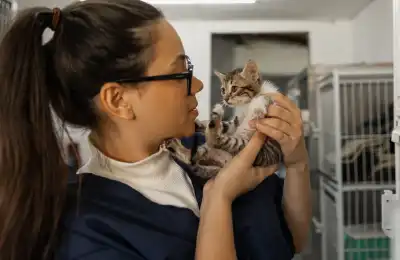
Cats are naturally cautious animals. Their instincts tell them to avoid unfamiliar places, smells, and sounds, all of which are present in a vet’s surgery. The journey there, the presence of other animals, and the unfamiliar people touching them can all heighten anxiety.
Remember that it’s rarely about you or the vet. It’s the whole experience, from being placed in the carrier to the strange scents and handling during examination, that triggers their fear response. Some common reasons include:
- Travel stress: Cats often associate the carrier or car with unpleasant experiences.
- Unfamiliar smells and noises: The scent of other animals and the sound of barking dogs can make your cat feel threatened.
- Loss of control: Being restrained or handled by strangers can make cats feel trapped.
- Previous negative experiences: If your cat has felt pain or discomfort during a past visit, they may associate the vet with danger.
The good news is that you can change how your cat feels about the vet through gentle preparation and a little patience. Here are nine steps to success:
Step 1: Get Your Cat Used to Their Carrier Early
Many cats panic the moment the carrier appears because it’s only used for vet trips. To reduce this association, make the carrier a normal, even pleasant, part of everyday life.
- Leave it out permanently: Keep the carrier in a quiet, accessible spot at home so your cat can explore it freely.
- Make it inviting: Place a soft blanket or item with your scent inside, and occasionally drop treats or catnip in there.
- Feed near or inside the carrier: This helps your cat form positive associations with it.
- Practise short “pretend trips”: Once your cat is comfortable entering the carrier, carry them around the house or go for a short drive, gradually increasing the time.
Over time, the carrier becomes less of a trap and more of a familiar, safe place, helping immensely when you need to transport your cat to the vet.
Step 2: Choose the Right Carrier and Keep It Comfortable
A comfortable and secure carrier can go a long way in preventing anxiety before you even reach the vet. Opt for a sturdy, top-opening carrier, as these are easier for the vet to use and cause less stress when removing your cat.
Avoid wire cages, as they can make cats feel too visible and vulnerable. Line the carrier with familiar bedding to bring a comforting scent of home, and consider covering it with a towel during travel to block out visual stressors such as passing cars or people.
Step 3: Keep Calm
Cats are incredibly perceptive. If you’re rushing around or speaking in a nervous tone, your cat will sense it and become more anxious.
Try to stay relaxed and reassuring. Speak softly, move slowly, and give your cat gentle strokes before placing them in the carrier. Play calm music during the car journey and avoid loud noises or sudden stops. If your cat becomes upset, resist scolding or forcing them. Instead, give them time to settle.
Step 4: Make the Car Ride as Smooth as Possible
The car journey is often the hardest part of the vet visit. Cats dislike motion and unfamiliar sensations, so it helps to make the trip as comfortable as possible.
- Secure the carrier: Place it on the floor behind the front seat or strap it in with a seatbelt to stop it sliding around.
- Keep noise to a minimum: Avoid loud music or talking too much.
- Maintain a comfortable temperature: Don’t let the car become too hot or cold.
- Drive smoothly: Avoid sharp turns or sudden braking.
You can also use calming sprays or pheromone diffusers like Feliway inside the carrier about 15 minutes before travel. These mimic natural cat scents and can reduce anxiety.
Step 5: Arrive Early and Stay Calm in the Waiting Room
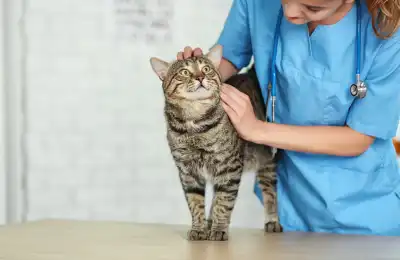
Once you arrive, the waiting room can be a major source of stress, especially if there are barking dogs or other anxious animals.
If possible, ask for a cat-only waiting area or a quiet corner, as some vet practices provide separate spaces for cats. Keep your cat in their covered carrier to help them feel secure and avoid overstimulation, and try not to hover or peek inside too often — your calm presence nearby is enough reassurance.
If your cat is particularly sensitive, consider waiting in the car until the vet is ready to see you; a quick phone call to reception is usually all it takes.
Step 6: Support Your Cat Gently At The Appointment
When it’s time for the examination, speak softly to your cat and stay calm. Let the vet handle most of the physical interaction, since they’re trained to manage nervous animals.
If your vet allows, you can stay nearby to reassure your cat with your voice. Some cats prefer to stay in their carrier’s base, which many vets will accommodate.
If your cat hisses or tries to scratch, don’t be embarrassed — it’s a fear response, not bad behaviour. Vets understand this. The key is to stay composed and not add to the tension.
Step 7: Reward and Reassure Afterwards
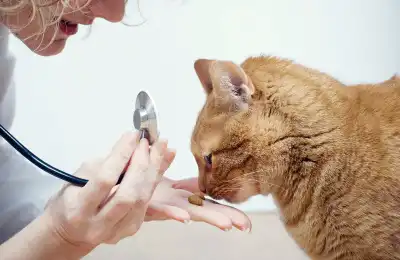
Once you’re home, give your cat some time to decompress in a quiet, familiar space. Let them retreat if they wish to.
After a while, offer treats, gentle affection, or playtime to reinforce that the experience is over and they’re safe. Over time, this helps your cat learn that vet trips always end with something positive.
Step 8: Consider Desensitisation and Behavioural Support
If your cat continues to struggle with severe anxiety, gradual desensitisation may help. This involves introducing your cat to each stage of the vet visit slowly and positively, such as being in the carrier, hearing car sounds, and visiting the clinic for short, non-medical visits.
You could also discuss calming supplements or mild sedatives with your vet if the stress is extreme. However, these should only be used when necessary and under professional guidance.
Learning more about feline behaviour can also make a huge difference in understanding and managing your cat’s reactions. Knowing why they behave as they do allows you to respond in the most effective way.
How Do You Bring an Uncooperative Cat to the Vet?
Getting a reluctant or aggressive cat into the carrier can feel impossible, but it can be done with patience and strategy.
- Keep the carrier in familiar areas. This prevents it from being linked only to vet visits.
- Use treats and positive reinforcement. Reward your cat every time they go near or inside the carrier.
- Try “carrier training.” Place the carrier near feeding areas or use it for playtime so your cat becomes comfortable with it.
- Avoid chasing or forcing. This increases fear. Instead, calmly guide your cat with toys or treats, or gently wrap them in a towel for safe handling if needed.
The goal is to make the process predictable and positive so your cat feels secure, even if they don’t love the experience.
When to Seek Extra Help
If your cat’s fear becomes so intense that they injure themselves or others, it’s time to seek expert advice. A feline behaviourist or your vet can help identify triggers and create a tailored plan. They may suggest behaviour therapy or training exercises that target your cat’s specific anxieties.
Never punish or scold your cat for fear-based behaviour, as this only reinforces the idea that vet visits are something to dread. Compassion and positive reinforcement will always go further.
Recommended for you!
Best Sellers







Study Feline Behaviour and Psychology for £29
If you’d like to understand more about feline emotions, communication, and behaviour, consider studying our Feline Behaviour and Psychology Diploma Course. It’s currently available for a discounted price of £29, and is the perfect way to deepen your understanding of cats.