Flint stone is a fascinating rock that has shaped human history for thousands of years. From its role in prehistoric tools and fire-making to its symbolic meaning in spiritual traditions, flint has always carried a strong sense of resilience and importance.
This guide explores its physical properties, spiritual meaning, and practical uses, revealing why flint continues to be valued for its historical significance, distinctive appearance and grounding energy in crystal healing.
Jump to:
Recommended for you!
Best Sellers






What is Flint Stone?
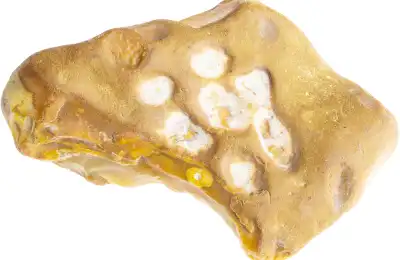
Flint stone is a hard, silica-rich rock that forms within chalk and limestone. It is composed mainly of microcrystalline quartz, giving it a smooth, glass-like interior and a hardness that allows it to break into sharp-edged fragments.
Typically found as rounded nodules or layers within sedimentary deposits, flint displays colours ranging from grey and brown to deep black, with occasional hints of red or green. Its glossy interior contrasts with its often rough, chalky outer surface, making it easy to recognise once broken open.
Where is Flint Found?
Flint deposits can be found across many parts of the world, but it is particularly common in Europe. The chalk cliffs of southern England, such as those at Dover, are well known for their rich deposits. France, Germany, Poland, and the United States also have significant sources of flint.
Flint Properties
Flint stone has many physical, metaphysical, and healing properties. Here’s a closer look at what makes this ancient rock so significant.
Physical Properties
Flint is usually grey, brown, or black, with black flint stone being especially striking for its glossy, glass-like interior. Some varieties display subtle shades of red, green, or blue-grey, though these are rarer. On the Mohs hardness scale, flint measures around 7, making it durable and capable of scratching glass. When broken, it produces sharp edges, a feature that made it invaluable for crafting tools and weapons throughout history. It also generates sparks when struck against steel, which is why it was used for fire-making and later in flintlock firearms.
Metaphysical Properties
In metaphysical traditions, flint is valued for its grounding and protective qualities. It is believed to create a shield against negative energy and to promote resilience and inner strength. Flint is also thought to encourage clarity of thought, cutting through confusion much like its sharp physical edges. Some view flint as a stone of endurance, inspiring perseverance and determination. Its connection to fire also symbolises creativity, making it a stone associated with sparking new ideas and projects.
Emotional Healing Properties
Flint supports emotional balance by helping to steady the mind during times of stress. Its grounding energy promotes stability and calm, reducing feelings of anxiety or restlessness. It encourages focus and determination, helping individuals to face challenges with confidence.
Because of its association with clarity, flint can also support decision-making and strengthen willpower, making it a useful stone during periods of personal growth and transformation.
Spiritual Properties
Spiritually, flint is connected with protection and grounding. It has been regarded as a sacred stone across many cultures, symbolising strength and resilience. In the Bible, flint is mentioned as a metaphor for determination and steadfastness, reflecting its spiritual associations.
In crystal healing, flint is believed to support meditation by enhancing focus and anchoring the mind. Its protective qualities make it a reliable stone for those seeking to strengthen their spiritual practices while remaining grounded and balanced.
Crystal Healing

In crystal healing, flint is valued for its grounding, protective, and clarifying energy. Here are some common ways it is used:
- Meditation: Holding or placing flint during meditation helps to anchor the mind, reduce distractions, and promote a sense of inner calm and stability.
- Energy Protection: Flint is often carried or placed in the home to create a protective shield against negative influences, fostering a safe and balanced environment.
- Emotional Support: Using flint in healing layouts or carrying it close is believed to strengthen determination, encourage perseverance, and provide clarity during times of uncertainty.
- Creativity and Inspiration: Just as flint produces sparks when struck, it is thought to spark creativity and fresh ideas when used with intention.
How to Use Flint Stone
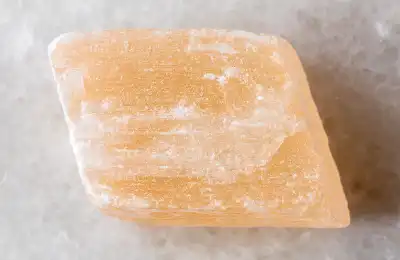
To benefit from the unique qualities of flint, it helps to know how to use and care for it effectively.
Wearing Flint Stone
Wearing flint as jewellery, whether in a pendant, bracelet, or ring, allows you to keep its grounding energy close throughout the day. Polished flintstone rock can look striking, and carrying it on your body ensures continuous support, protection and stability.
Meditating with Flint Stone
During meditation, hold a piece of flint in your hand or place it near you to enhance focus and calm. Its grounding qualities help you to remain centred, clear away distractions, and deepen your connection to the present moment. Flint can also encourage resilience and determination during spiritual practices.
Placing Flint Stone in Your Home
Placing flint in your home creates a steady, protective atmosphere. Keep it in living spaces to support balance and grounding energy, or in your workspace to inspire clarity and perseverance. A piece of flint by your bedside can also promote a calming environment, helping you feel safe and centred.
Cleansing and Charging Flint Stone
To keep flint’s grounding and protective energy at its best, it can be cleansed regularly. This may be done by holding it under running water, gently smudging it with herbs or incense, or placing it on a cleansing crystal such as selenite. To recharge, flint can be left in the light of the moon, which is believed to refresh and restore its natural energy.
Read more about how to clean, cleanse, and charge your crystals.
Recommended for you!
Best SellersFrequently Asked Questions About Flint Stone
How old is flint stone in geological terms?
Most flint formed during the Cretaceous period, which means it can be over 60 to 100 million years old. Each piece is a tangible connection to Earth’s ancient past.
Can flint stone be carved or shaped?
Flint can be carefully chipped, a process known as knapping. This is how prehistoric humans created arrowheads and blades. Today, skilled craftspeople still practise flint knapping to demonstrate traditional techniques.
Does flint occur in different shapes?
Flint often forms as rounded nodules, layers, or irregular lumps within chalk or limestone. Some nodules are almost spherical, while others are long and flat. Their shape depends on the surrounding rock and how the silica crystallised.
What is the rarest type of flint?
While grey and black are the most common colours, rare varieties include red, green, or banded flint. These unusual colours are caused by trace minerals or impurities present during formation.
Is flint used in construction?
Historically, flint was used in building, particularly in parts of England and Europe where it was abundant. Flint walls and churches built centuries ago are still standing today, showing its durability and strength as a material.
Is flint environmentally significant?
Flint provides insight into ancient marine environments, as it was formed from the remains of microscopic sea organisms. Studying flint can help geologists understand the conditions of Earth’s past oceans.
Study Our Meditation Diploma for £29
If you would like to deepen your understanding of crystals and their role in meditation and wellbeing, the Meditation Diploma Course with Centre of Excellence is the perfect next step. For only £29, you can discover practical techniques that promote balance, focus and peace of mind.