One of the most stressful situations you may face as a dog owner is dealing with dogs that fight. Whether it’s a sudden clash in the park or a recurring issue at home, two dogs fighting can leave you feeling shaken and unsure about how to keep the peace.
In this guide, you’ll understand why dog fights happen and what you can do to prevent them in the future. By the end, you will feel more confident about recognising the signs, stepping in safely, and supporting your dogs in building a calmer relationship.
The information provided in this article is for educational purposes only and is not a substitute for professional advice. You should never put yourself in harm’s way when attempting to stop or prevent dogs from fighting. If your dogs are showing persistent or severe aggression, it’s important to seek the guidance of a qualified dog trainer, behaviourist, or veterinary professional.
Jump to:
Recommended for you!
Best Sellers






Why Do Dogs Fight?
To stop dogs from fighting, it helps to look at the reasons behind the behaviour. Dogs communicate differently from us, and what seems sudden to a human eye often builds up through subtle signs.
- Dominance and hierarchy: In households with more than one dog, competition for “who’s in charge” can result in scuffles.
- Resource guarding: Food bowls, favourite toys, treats, or your attention can spark a conflict. In these cases, the fight is less about dislike between the dogs and more about fear of losing something they value.
- Fear or anxiety: A dog who is nervous or in pain may lash out defensively if approached too closely.
- Overexcitement: What starts as rough play may tip into aggression if one dog goes too far.
- Medical issues: Medical issues, such as joint pain or illness, can change a dog’s tolerance levels, making them more irritable than usual.
How to Tell if Dogs Are Playing or Fighting
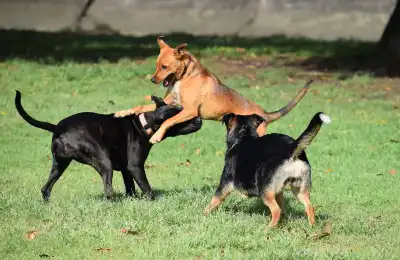
It can be confusing when two dogs wrestle noisily, growl, or chase each other. Play tends to be bouncy, with exaggerated movements, and dogs often take turns being on top or being chased. They may also use play bows, where the front end of the body lowers while the back end sticks up, signalling that everything is meant in good fun.
A fight is marked by stiffness, hard stares, raised hackles, and attempts to pin or corner. Unlike playful growls, which come and go, the growl of a serious altercation is continuous and intense. A clear warning sign is when one dog is trying to escape, but the other refuses to stop. If you are ever unsure how to tell if a dog fight is serious, trust your instincts. When in doubt, intervene safely to avoid harm.
How to Break Up a Dog Fight Safely
Step 1: Stay Calm and Avoid Using Your Hands
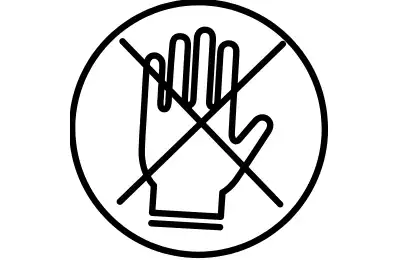
When you see two dogs fighting, your first instinct may be to grab them by their collars or try to pull them apart with your hands. This is one of the most dangerous actions you can take, as even your own dog may bite you in the chaos. The safest approach is to pause for a moment, take a breath, and remind yourself that your safety comes first. Staying calm helps you think clearly and prevents the situation from escalating further.
Step 2: Create a Sudden Distraction
A quick, unexpected interruption can sometimes break the dogs’ focus on each other. Clapping loudly, banging pots together, or shouting can be enough to stop the fight. Some owners keep an air horn handy, but its success depends on the intensity of the clash. Water is another useful tool: spraying from a hose or tipping a bucket over the dogs can startle them and give you a chance to separate them.
Step 3: Use the Wheelbarrow Method With Help

If there are two adults present, the wheelbarrow method is a safe and effective option. Each person takes hold of the back legs of one dog, lifts them slightly off the ground, and pulls backwards. This disrupts the dogs’ balance and forces them to release their grip. Once apart, turn the dogs in a circle to keep them facing away from each other and move them to separate areas to calm down.
Step 4: Avoid Physical Force or Punishment
No matter how panicked you feel, avoid hitting, kicking, or trying to drag the dogs by their collars. Physical force rarely ends the fight quickly, and it can actually intensify the aggression. It also puts you directly in harm’s way. Focus instead on distraction, safe handling techniques, and separating the dogs calmly once they disengage.
Step 5: Reintroduce Carefully
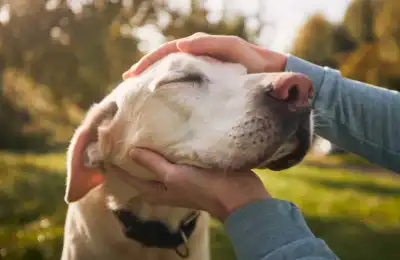
Do not try to force the dogs back together immediately, even if they appear calmer. Give them space and reintroduce them gradually. Always check both dogs for injuries, even if nothing looks obvious. Small puncture wounds can be hidden under fur and may become infected. If in doubt, take your dog to the vet.
How to Stop Dogs From Fighting in the Same Household
Fights between pets who live together can feel especially upsetting. The key here is prevention through management and training. If your dogs fight over food, feed them separately in different rooms. If toys or chews cause tension, remove them when the dogs are together. It may feel inconvenient, but preventing conflict is always easier than trying to break up a fight.
Keep a close eye on body language. Learn to recognise stiff postures, hard stares, and sudden stillness, which often signal that tension is building.
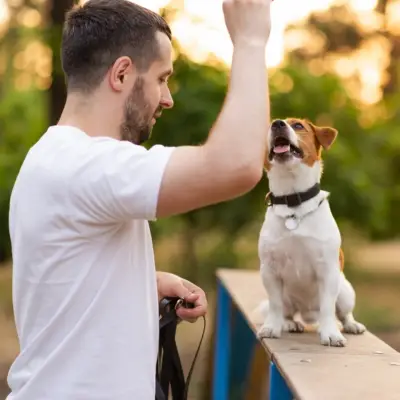
Play-fighting is normal for puppies, but training is equally important. Teaching your dogs basic commands like “leave it,” “stay,” and “come” gives you tools to intervene before a situation escalates. Positive reinforcement builds trust and helps your dogs learn that calm behaviour is rewarded.
Recommended for you!
Best SellersFrequently Asked Questions
Can training really prevent dogs from fighting?
While you cannot erase every natural instinct, you can teach your dogs to manage their behaviour and respond to your cues. Building a foundation of obedience, encouraging calmness, and rewarding positive interactions all reduce the likelihood of fights. Consistency is key, and many owners find that investing time in training dramatically improves harmony in their household.
Will neutering a dog stop aggression?
In some cases, neutering can reduce aggression, particularly if hormones are contributing to the behaviour. However, not all aggression is hormone-driven. For some dogs, the behaviour stems from the environment, past experiences, or learned patterns. Neutering may help, but it should not be seen as a guaranteed solution.
Will a shock collar stop a dog fight?
While a shock collar might interrupt a fight in the moment, it’s not recommended. Shock collars often increase fear and stress, which can fuel long-term aggression rather than prevent it. Safer, positive methods are always more effective and kinder for your dogs.
Are certain breeds more prone to fighting?
Some breeds are naturally more energetic or assertive, which may make them more likely to challenge other dogs if not properly trained and socialised. That said, any dog, regardless of breed, can fight under the right circumstances. It is more important to consider your individual dog’s temperament, environment, and training than to make assumptions based on breed alone.
What is a break stick, and should I use one?
A break stick for dog fights is a sturdy wedge used to prise open a dog’s jaws. It’s sometimes used by professionals, but it carries risks and requires skill. For the average owner, it’s not recommended. Similarly, you may hear about the “one finger method,” which involves pressing a sensitive area under the tail to force release. This is unsafe for most people and carries a high risk of being bitten. It is always better to use safe separation techniques rather than physical force.
Can two dogs live together after a fight?
In many cases, dogs can live together peacefully after a fight, but it requires careful management and gradual reintroduction to help them get along. Start with short, calm meetings on neutral ground, using leads for control. End interactions before any tension appears, and slowly increase the time they spend together.
Is it normal for two dogs in the same house to fight?
Minor disagreements do happen, particularly in households where dogs are adjusting to one another. However, frequent or severe fights should not be dismissed as “normal.” Left unchecked, repeated conflict can harm both dogs and their relationship.
Study Our Dog Training Diploma for £29
If you would like to feel more confident in handling behaviour challenges and build a deeper bond with your dogs, the Dog Training Diploma Course with Centre of Excellence is the perfect place to start. For just £29, you can explore proven training methods and learn how to manage everything from basic obedience to complex behavioural issues.