Whether it's for socialisation, play, or simply sharing public spaces, ensuring that dogs get along with others is important for their well-being and your peace of mind. With the right approach, patience, and a little training, most dogs can learn to behave well with others, even outside their familiar environment.
This guide explores how to create positive, safe interactions between your dog and the other dogs they meet.
Jump to:
- Understanding Dog Dynamics
- Consider Age, Size, and Energy Levels
- Socialise Your Dog From a Young Age
- Building Positive Associations with Other Dogs
- How to Manage Dog Parks and Public Spaces
- Dealing with Aggression and Anxiety in Public
- How Long Does It Take for Dogs to Get Used to Each Other?
- Frequently Asked Questions
- Study Our Dog Training Diploma for £29
Recommended for you!
Best Sellers




Understanding Dog Dynamics
Dogs, like people, have personalities, preferences, and behaviours that can influence their relationship with each other. They can be territorial, social, or more independent, and these traits play a big role in how they interact with one another.
Some dogs naturally get along better with others, while some might take a little longer to adjust. Each dog is different; the age, breed, and history of the dogs involved will influence how they react to one another.
Consider Age, Size, and Energy Levels
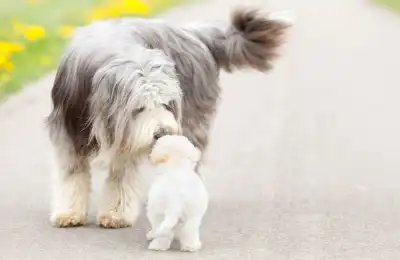
Age, size, and energy levels are all factors that can influence how dogs interact with each other. Not all dogs are social, and some may feel more comfortable with certain types of dogs. Here’s a breakdown of how these factors affect dog relationships:
Age Differences
Puppies tend to be more playful and adaptable, while older dogs might be more laid-back or less interested in rough play. If you’re introducing an older dog to a younger, more energetic puppy, the older dog may not appreciate the puppy’s boundless energy. Meanwhile, a puppy might find an older dog too intimidating or serious. Pay attention to how your dogs interact and ensure both are comfortable. You may need to step in and redirect their energy if one dog becomes overwhelmed.
Size Disparities
Large dogs and small dogs can sometimes struggle to get along, even if neither dog is aggressive. A small dog might feel intimidated by a larger dog, even if the large dog isn’t being aggressive, simply because of their size. Similarly, a large dog may unintentionally hurt a smaller dog during play. If your dogs are very different in size, supervise their interactions closely, especially during playtime.
Energy Levels
Dogs with different energy levels may not always get along. A high-energy dog might want to play non-stop, while a low-energy dog may prefer to relax. It’s important to match dogs with similar energy levels to avoid frustration. If their energy levels differ greatly, consider providing both dogs with outlets for their energy in separate areas before bringing them together.
Socialise Your Dog From a Young Age
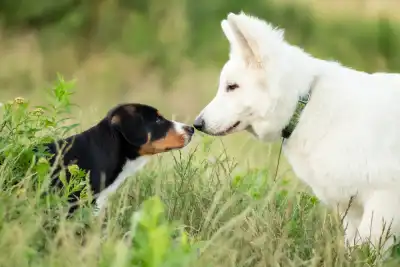
Socialisation is one of the most important aspects of a dog’s development. It’s the process of introducing your dog to various people, environments, and situations, including interactions with other dogs. Well-socialised dogs are generally more confident, relaxed, and adaptable when they encounter new experiences, which includes meeting other dogs.
Starting early, ideally when your dog is still a puppy, is the best time to encourage socialisation. However, it's never too late to begin socialising your dog, even if they are older.
Breed Considerations in Socialisation
Breed tendencies can influence how dogs interact with one another. Some breeds are naturally more social, while others may be more reserved and territorial. Understanding the general traits of your dog’s breed can help set realistic expectations for their interactions with other dogs.
- Social Breeds: Some dog breeds, such as Labrador Retrievers, Golden Retrievers, and Beagles, are known for their sociable and friendly nature. These dogs typically get along well with other dogs, especially if they are socialised early and often. These breeds tend to be less territorial and more tolerant, making it easier for them to adjust to new doggy friends.
- Independent or Territorial Breeds: Breeds such as Chihuahuas, Bulldogs, and some terriers can be more independent and territorial. These dogs might not be as eager to meet new dogs or may become possessive over their space, toys, and food. These traits can make socialisation more challenging, and it may require more time and patience to help these dogs become comfortable around other dogs.
Understanding your dog’s breed tendencies will give you a better idea of how to approach their socialisation and what to expect during interactions with other dogs.
Build Positive Associations with Other Dogs
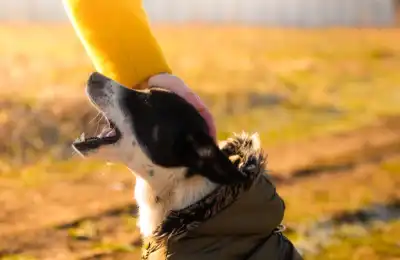
One of the most effective ways to help dogs get along is by building positive associations with other dogs. Here’s how to make their experiences with other dogs enjoyable:
1. Gradual Introductions
Don’t rush the process. Start with short, calm interactions and gradually increase the time spent with other dogs. The goal is to ensure that each interaction ends on a positive note, so your dog associates meeting new dogs with good experiences.
2. Shared Activities
Engaging in shared activities, like walks and playtime, helps dogs bond. These activities create positive associations and encourage them to enjoy each other’s company.
3. Respect Their Space
Just like people, dogs need their space. Make sure each dog has a quiet area where they can retreat if they feel overwhelmed and stressed. This prevents them from feeling trapped and threatened.
4. Use Positive Reinforcement
Positive reinforcement goes a long way. When your dog displays calm and friendly behaviour during an interaction, reward them with treats, praise, or a favourite activity. This helps them understand that good behaviour leads to pleasant outcomes, encouraging them to continue behaving well during future social encounters.
How to Manage Dog Parks and Public Spaces
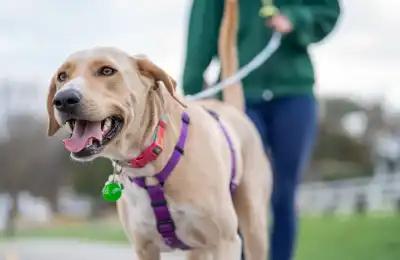
Dog parks and public spaces are great places for your dog to meet other dogs and burn off energy, but they can also be overwhelming, especially if your dog isn’t used to being around other animals. Here are some tips for managing dog park interactions and ensuring your dog behaves well:
- Observe Before Interacting: When you arrive at a dog park or any public area with other dogs, take a moment to observe the environment. Look for any signs of aggression or anxiety from other dogs. Some dogs may be overly excited, while others may be fearful or territorial. Observing how other dogs behave can help you decide whether it’s a good time to introduce your dog or if you should wait for a calmer moment.
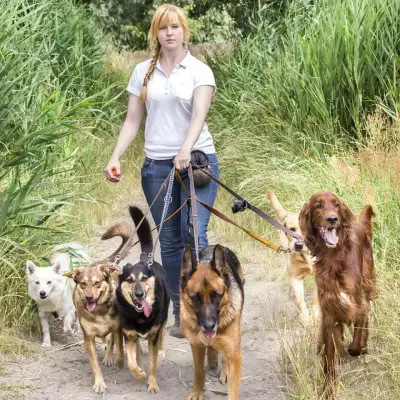
- Set Boundaries: If your dog is new to dog parks, consider keeping them on a leash or long lead initially. This allows you to maintain control of the situation and prevent any overly enthusiastic or potentially risky interactions. Gradually, you can give your dog more freedom once they feel more comfortable with their surroundings.
- Stay Calm and Positive: Dogs often mirror the emotions of their owners, so if you’re calm, your dog is more likely to be calm. Stay positive and relaxed, even if things get a bit hectic. Your dog will pick up on your cues, which will help them stay grounded in stressful situations. Reward them with praise and treats when they behave well, reinforcing the positive interactions.
Dealing with Aggression and Anxiety in Public
It’s common for dogs to feel anxious or even act aggressively in unfamiliar environments, especially around other dogs they don't know. Understanding how to manage this behaviour will ensure your dog stays safe and that their interactions remain positive.
Sudden Aggression
If your dog starts displaying aggressive behaviour in public, such as growling, snapping, or lunging at another dog, stay calm and remove your dog from the situation. Aggression can stem from fear, territorial instincts, or a feeling of being threatened. To prevent escalation, keep your dog on a leash and remove them from the situation gently.
Anxious Dogs
Anxiety can manifest as trembling, whining, and trying to escape the situation. If your dog is anxious around other dogs, it’s helpful to bring along their favourite toy or blanket for comfort. These familiar objects can help them feel more at ease in unfamiliar settings. Additionally, using calming products like pheromone sprays or anxiety wraps might be beneficial in certain situations.
How Long Does It Take for Dogs to Get Used to Each Other?
In general, it can take anywhere from a few days to several weeks for dogs to become comfortable with one another. Some dogs may begin to bond right away, while others may need more time to adjust to a new presence.
Recommended for you!
Best SellersFrequently Asked Questions
What is the 7-7-7 Rule for Dogs?
The 7-7-7 rule is a simple guide to understanding how dogs adjust to new environments and situations. This rule suggests that it takes:
- 7 days to settle into a new home
- 7 weeks to bond and build a relationship
- 7 months to fully adjust and feel comfortable with their new routine
Is it okay to bring my dog to a dog park if they’ve never met other dogs before?
It’s best to introduce your dog to new social situations gradually. If your dog has never met other dogs before, starting at a less crowded park or a controlled space can help. Keep them on a leash and observe how they react to other dogs. Gradually increase their exposure to other dogs, ensuring that each interaction is positive.
Can two dogs who have had negative interactions in the past still get along?
It’s possible for two dogs who have had negative interactions to eventually get along. The key is patience, proper training, and gradual reintroductions. You may need to take extra care in managing their interactions initially. Over time, with careful socialisation and positive reinforcement, dogs can learn to coexist peacefully.
What is the best way to introduce a puppy to an adult dog?
When introducing a puppy to an adult dog, ensure that the adult dog is comfortable and well-socialised. Start with a short, calm introduction in a neutral space. Keep both dogs on a leash at first and allow them to sniff each other at their own pace. Be mindful of the adult dog’s response to the puppy’s playful energy, as some older dogs may need more time to adjust to a puppy's exuberance.
Should I intervene if two dogs are playing too roughly?
If two dogs are playing too roughly, it’s important to intervene before any harm is done. Watch for signs that one dog may be getting overwhelmed and stressed, such as whining, cowering, or trying to escape. If you notice these signs, calmly separate the dogs and allow them to calm down before allowing them to interact again.
Study Our Dog Training Diploma for £29
If you’re interested in learning more about dog behaviour and training, we offer a comprehensive Dog Training Diploma Course. Whether you're a pet owner or aspiring dog trainer, this course will give you the tools you need to understand and manage dog behaviour effectively. For a limited time, you can access this course for just £29!