Whether your dog is snapping at other animals or showing sudden aggression towards you, it’s natural to want answers and solutions. Luckily, there are proven ways to make things better.
This guide covers the types of aggression and practical, step-by-step methods to manage and reduce aggressive behaviour in dogs. By the end, you’ll know exactly how to approach the problem and what tools and strategies to use for long-term improvement.
Jump to:
- Why is My Dog Aggressive?
- Spotting the Early Signs
- 7 Steps for Preventing Aggression in Dogs
- Step One: Rule Out Medical Causes
- Step Two: Create a Safe Environment
- Step Three: Identify and Understand Triggers
- Step Four: Use Desensitisation and Counterconditioning
- Step Five: Teach and Reward Alternative Behaviours
- Step Six: Reinforce Calmness in Daily Life
- Step Seven: Handle Aggression in the Moment
- Special Considerations for Fear and Anxiety
- Aggression in Puppies
- Avoiding Common Mistakes
- Frequently Asked Questions About Aggressive Behaviour in Dogs
- Study Our Dog Training Diploma for £29
Recommended for you!
Best Sellers


Why is My Dog Aggressive?
Aggressive behaviour in dogs can range from subtle signs like stiff posture and low growls to more serious actions like lunging or biting. Before you start training, identifying why your dog is aggressive will make your efforts far more effective.
Common Triggers of Dog Aggression:
- Fear and Anxiety: When a dog feels threatened or trapped.
- Protectiveness or Guarding: Defending food, toys, territory, or family members.
- Pain or Medical Conditions: Joint pain or neurological issues can make a normally calm dog aggressive.
- Frustration: Being restrained or prevented from reaching something.
- Previous Trauma: Dogs with a history of abuse or neglect may be more defensive.
- Hormonal Influences: Intact males may show more territorial or competitive aggression.
Spotting the Early Signs
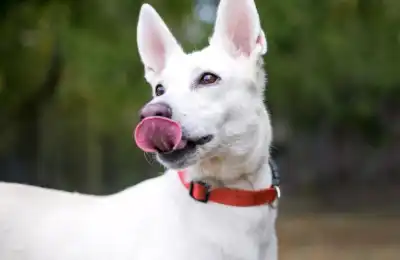
Most dogs give subtle warnings before they resort to biting or full-on aggression. These might include stiffening their body, lowering their head, licking their lips, turning their head away, or raising their hackles. If these signs are ignored or misunderstood, they may escalate to growling, baring teeth, snapping, or biting.
The key is to intervene early, before your dog feels the need to escalate. If, for example, your dog freezes and stiffens when approached by a stranger, it’s time to calmly create distance rather than forcing an introduction. Responding to these small cues builds trust and can prevent more dangerous reactions later on.
7 Steps for Preventing Aggression in Dogs
Step One: Rule Out Medical Causes
If your dog has suddenly become aggressive, the first step should always be a veterinary check. Pain from joint problems, dental disease, injuries, or internal conditions can trigger aggressive behaviour. Dogs may lash out simply because they are trying to protect themselves from discomfort.
A thorough medical examination ensures you’re not trying to train away a behaviour that’s actually being driven by a health problem. Once you’ve ruled out medical issues, you can focus fully on behaviour and training.
Step Two: Create a Safe Environment
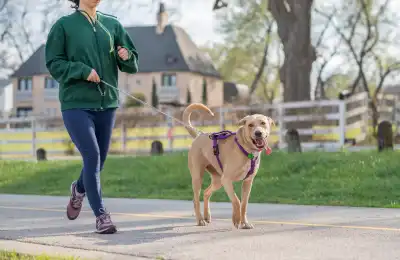
While working on your dog’s behaviour, safety must come first. If your dog is aggressive towards people or other dogs, avoid situations where an incident could happen. This might mean walking in quieter areas, crossing the road to avoid another dog, or using barriers like baby gates at home.
For some dogs, a properly fitted basket muzzle, introduced gradually and positively, can give you peace of mind and prevent bites without causing discomfort.
By reducing the number of stressful encounters, you’re protecting others while helping your dog avoid practising the unwanted behaviour. Every time your dog rehearses aggression, it strengthens that reaction, so prevention is a powerful tool in your training plan.
Step Three: Identify and Understand Triggers
Spend some time observing when your dog’s aggressive behaviour occurs. Do they react when strangers approach? When another dog comes too close? When you try to move them from a resting spot? Keep a record of these situations. You may start to see patterns, such as a specific distance from a trigger at which your dog reacts, or certain environments where they are more tense.
Understanding triggers allows you to plan training sessions at a safe, manageable level for your dog. It also helps you anticipate and avoid situations that could overwhelm them until they are ready to cope.
Step Four: Use Desensitisation and Counterconditioning
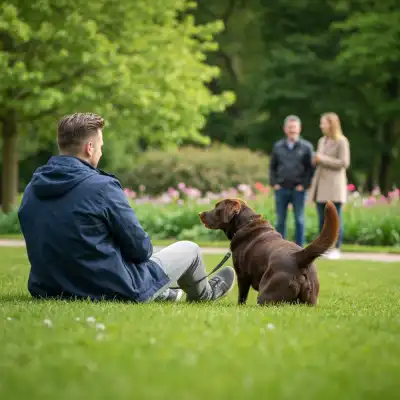
Once you know your dog’s triggers, you can begin to change how they feel about them. Desensitisation means exposing your dog to the trigger at a low enough intensity that they stay calm, then gradually increasing the exposure over time. Counterconditioning pairs the trigger with something your dog loves, such as high-value treats or a favourite game.
For example, if your dog is aggressive towards strangers, you might start by having them observe a person from a distance where they show no signs of tension. Each time they notice the person and remain calm, reward them generously. Over many sessions, you can slowly reduce the distance. This process should always move at your dog’s pace; pushing too quickly can undo progress.
Step Five: Teach and Reward Alternative Behaviours
Rather than simply trying to stop aggressive responses, give your dog something else to do in those situations. A “look at me” cue can redirect their attention from a trigger to you, while recall training can remove them from a stressful situation altogether.
When your dog chooses calm behaviour instead of reacting, reinforce it immediately with something they value. Over time, your dog will learn that focusing on you and remaining calm leads to rewards, while aggression is unnecessary.
Step Six: Reinforce Calmness in Daily Life
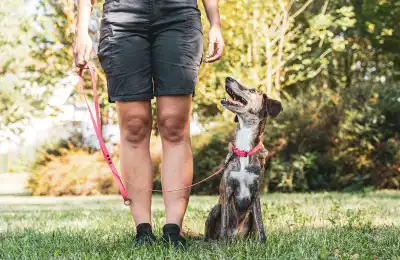
Training isn’t only about reacting to specific triggers; it’s about shaping your dog’s general state of mind. Look for moments throughout the day when your dog is relaxed and settled, and quietly reward them. This builds a habit of calmness that can carry over into situations where they might otherwise react aggressively.
Keeping training sessions short and positive will also help prevent frustration. End on a success so your dog finishes each session feeling confident and capable.
Step Seven: Handle Aggression in the Moment
If your dog does show aggression, focus on staying calm yourself. Do not shout or physically force them into submission. This can increase fear and escalate the situation. Instead, put distance between your dog and the trigger, speak in a steady, neutral tone, and redirect their attention if possible. Once they are calm, you can remove them from the situation entirely.
Special Considerations for Fear and Anxiety
Anxious dog aggression often requires extra patience. Pushing a fearful dog into situations they can’t handle can worsen the behaviour and damage trust. Instead, work below their threshold and take things one small step at a time. Building confidence through enrichment activities like scent games, puzzle feeders and low-pressure training exercises can make a big difference.
Aggression in Puppies
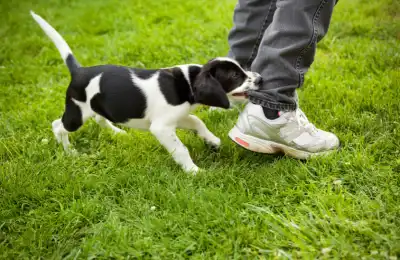
Puppies sometimes display behaviours that look aggressive, such as growling during play or guarding toys. While some of this is normal, hard biting, stiff postures, and snapping should be addressed early. A puppy that gets aggressive due to overexcitement or fear will benefit from clear boundaries, structured play, and early socialisation in a controlled, positive way. If you notice sudden aggression in a puppy, rule out pain or illness before working on training.
Avoiding Common Mistakes
Owners sometimes make the mistake of punishing aggressive behaviour, thinking it will stop the problem. In reality, punishment can suppress warning signs without addressing the cause, increasing the risk of a bite without warning. Forcing a dog into close contact with their trigger or flooding them with exposure can also backfire, creating more fear rather than building tolerance.
Recommended for you!
Best SellersFrequently Asked Questions About Aggressive Behaviour in Dogs
What dog breeds are more prone to aggression?
Any breed can show aggression if they feel threatened or are poorly socialised. Some breeds may have traits that make them more likely to guard territory or resources, but environment and training are far more important factors than breed alone. It’s better to assess each dog individually rather than assuming temperament based on breed.
How do I break my dog from being aggressive?
“Breaking” a behaviour requires consistent training, environmental management, and addressing the root cause. Punishment should be avoided, as it can make aggression worse. Instead, use positive reinforcement and gradual exposure to triggers under controlled conditions.
What do vets use for aggressive dogs?
If a dog is aggressive during handling, vets might use muzzles or mild anxiolytic medication to keep both the dog and staff safe. In some cases, they may refer you to a behaviourist for long-term management.
Does age affect aggression in dogs?
Aggression can change over a dog’s lifetime. In some cases, older dogs become less tolerant due to pain or cognitive decline. Early signs should be addressed promptly to prevent escalation.
Can neutering a dog reduce aggression?
Neutering can reduce hormone-driven behaviours such as roaming, mounting, and some forms of territorial aggression, particularly in male dogs. However, it won’t automatically resolve fear-based or learned aggression, so training is still essential.
Study Our Dog Training Diploma for £29
At Centre of Excellence, our Dog Training Diploma Course is designed to give you the knowledge and techniques to understand and address a wide range of behaviours, including aggression. For a limited time, you can enrol for just £29 and start building a better relationship with your dog today.