Intention setting helps you reconnect with your values and create a life that feels more purposeful. This guide explores how intention setting works, why it’s effective, and how you can cultivate habits that encourage personal growth.
Jump to:
- What Is Intention Setting?
- The Psychology of Intention
- Why Intention Setting Helps You Live With Greater Purpose
- How to Set an Intention
- Practical Ways to Integrate Intention Setting Into Your Routine
- Intention Setting Examples
- Common Mistakes When Setting Intentions
- Frequently Asked Questions
- Study Our Mindfulness Diploma Course for £29
What Is Intention Setting?
An intention is a clear, purposeful statement that reflects the attitude and values you want to embody. It is not a goal with a fixed outcome; instead, it is a mindset that you consciously choose to carry with you.
Intentions create a sense of inner steadiness by gently reminding you of who you want to be. When used consistently, they bring awareness to your thoughts and actions, providing a grounding tool that supports calmness and emotional balance.
Recommended for you!
Best Sellers






The Psychology of Intention
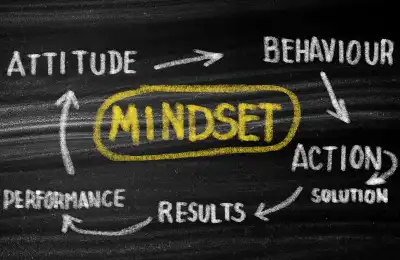
Understanding the psychology of intention can make the practice more powerful. Intentions influence behaviour by shaping the internal messages you send to yourself. When you consciously choose a focus, your brain develops an awareness of that intention and begins to filter your experiences through it.
This psychological process is connected to the idea that your thoughts help guide your actions. A clear intention acts as a mental anchor, helping you stay aligned with the attitude or behaviour you want to develop. It creates a sense of direction and encourages thoughtful responses rather than automatic reactions.
Why Intention Setting Helps You Live With Greater Purpose
Intention setting encourages you to slow down and make choices that reflect your values. This process promotes a stronger sense of purpose because it connects your daily actions with your deeper motivations.
Living with intention supports emotional clarity, allowing you to understand what you need in any given moment. It also helps you recognise patterns of thought or behaviour that may be unhelpful. With daily intentions in place, you become more aware of how your mindset influences your actions, allowing you to create habits that support a fulfilling life.
How to Set an Intention

These steps provide a solid foundation for anyone wanting to learn how to set intention statements that genuinely support personal growth.
1. Pause and be Present
Taking a moment to breathe and settle your attention creates space for clarity. This helps you connect with what you genuinely need rather than reacting from stress or habit.
2. Reflect on What Matters Today
Thinking about your values, emotional needs, and priorities allows you to choose an intention that supports your well-being. This reflection makes your intention meaningful and relevant.
3. Write or Speak Your Intention Clearly
Expressing your intention out loud or writing it in an intention journal makes it feel more real. This step helps your mind remember and commit to your chosen focus.
4. Keep it Simple
Simple, short intentions are easier to recall throughout the day. They guide your actions without overwhelming you or creating pressure.
5. Revisit Your Intention
Returning to your intention throughout the day reinforces your focus. This step nurtures mindfulness and helps you stay aligned with your chosen direction.
Practical Ways to Integrate Intention Setting Into Your Routine

Intention setting becomes more effective when it forms part of your regular routine. There are many simple ways to integrate this practice into your daily life:
- Adding your intention to your morning routine helps create a supportive mindset at the start of the day.
- Using reminders, such as journal entries, phone alerts, and sticky notes, keeps your intention present as you move through your tasks.
- Taking short pauses during the day to breathe and reconnect with your intention maintains your focus, even when your schedule becomes busy.
- Reflecting in the evening helps you understand how your intention shaped your experiences, and allows you to recognise what supported or challenged your progress.
- Building a list of intentions over time helps you identify patterns, preferences, and values that are important to your personal growth.
- Using daily intentions in combination with grounding practices, such as mindfulness or breathing exercises, deepens the sense of clarity and presence.
Intention Setting Examples
Not sure how to get started? These intentions align with common values and encourage a mindset that supports well-being, encouraging everything from patience to clarity.
- “I intend to stay calm and steady.”
- “I intend to speak kindly to myself.”
- “I intend to stay open to learning.”
- “I intend to respond with patience.”
- “I intend to value my time and energy.”
- “I intend to listen with presence and understanding.”
- “I intend to show appreciation for the small moments.”
Common Mistakes When Setting Intentions
Understanding the common mistakes when setting intentions helps strengthen your practice and supports long-term progress.
1. Making Them Too Big or Overwhelming
Intention setting is meant to provide clarity and direction, not create pressure or unrealistic expectations. When intentions are too broad or ambitious, they can lose their grounding and become difficult to apply in everyday situations.
2. Confusing Intentions With Goals
Goals focus on measurable outcomes, such as completing a project or achieving a milestone. Intentions focus on the mindset, qualities, and behaviours you want to embody as you move through your day. When you try to use intentions like goals, they can become rigid or feel like another item on a checklist.
3. Being Vague
Intentions that lack clarity can feel directionless and difficult to apply in real-life situations. A vague intention, such as “I intend to have a better day”, does not offer enough guidance for your thoughts or behaviour. Specific intentions create a stronger emotional connection and make it easier for you to recognise opportunities to act in alignment with them.
4. Setting Intentions Based on Outside Expectations
When you choose intentions based on what you think you should value or what others expect from you, the practice becomes disconnected from your personal needs and motivations. Intentions are most powerful when they reflect your own emotional landscape.
5. Forgetting to Revisit Them
If you set an intention in the morning and never return to it, it becomes easy to lose focus as the day unfolds. Revisiting your intention provides moments of grounding and helps you stay connected to your chosen mindset.
Frequently Asked Questions
How long does it take for intention setting to make a difference?
Intention setting can create subtle shifts straight away because it helps you become more aware of your thoughts and behaviour. The deeper benefits tend to appear gradually as you return to the practice each day. Many people notice improvements in focus, calmness, and clarity within a few weeks of regular practice.
Can I set more than one intention at a time?
It‘s possible to set more than one intention if they naturally complement each other, but too many can dilute your focus. A single, clear intention is usually the most effective because it gives your mind one anchor point to return to. If you do choose multiple intentions, keep them simple and connected, such as pairing “I intend to stay present” with “I intend to be patient.”
What should I do if I struggle to stick to my intention?
Instead of seeing it as a failure, view it as a sign that you may need to simplify the intention or revisit it more often. Gentle reminders, such as prompts on your phone or brief pauses during the day, can help.
Can intention setting be combined with other wellbeing practices?
Intention setting pairs well with mindfulness, meditation, journaling, breathwork, and grounding exercises. These practices complement each other by supporting awareness and emotional clarity.
Recommended for you!
Best SellersStudy Our Mindfulness Diploma Course for £29
If you would like to deepen your understanding of intention setting and learn practical ways to cultivate awareness and inner calm, the Mindfulness Diploma Course is an excellent next step. It is currently available for just £29, allowing you to develop meaningful skills that can enhance your wellbeing and enrich your daily life.