One of the most common challenges puppy owners face is chewing. From shoes and furniture to wires and plants, it can feel like your puppy is on a mission to chew everything in sight.
Puppy chewing is a natural behaviour, but it doesn't mean you have to put up with destroyed possessions. Let’s dive into why puppies chew and explore some practical strategies to help you manage this phase.
Jump to:
Recommended for you!
Best Sellers




Why Do Puppies Chew on Everything?
Chewing is a completely normal behaviour for puppies; it’s a way for them to explore the world and ease teething discomfort. Here are a few common causes:
- Teething Pain: Just like babies, puppies go through a teething phase where their baby teeth fall out, and adult teeth come in. This process can be uncomfortable, and chewing helps soothe their sore gums.
- Exploration: Puppies are naturally curious, and chewing is one of the ways they explore their environment. They don’t know what’s edible and what’s not, so they tend to chew on everything in sight.
- Boredom and Anxiety: If your puppy isn’t getting enough exercise or mental stimulation, they may turn to chewing as a way to pass the time or relieve stress. This is common in puppies that are left alone for long periods of time or haven’t been given enough outlets for their energy.
- Attention-Seeking: Sometimes, puppies chew because they know it will get your attention. Even if the attention is negative, it’s still attention, which may be enough to encourage the behaviour.
7 Steps to Prevent Your Puppy from Chewing Household Items
Here's a step-by-step plan to prevent your puppy from chewing on furniture, cords, and anything else they shouldn't be nibbling on.
Step 1: Redirect Their Attention

The first step is to provide your puppy with appropriate alternatives to chew on. Puppies have an instinctual need to chew, especially when they’re teething and exploring.
Invest in durable, safe chew toys specifically designed for puppies. These toys help satisfy your puppy's urge to chew while keeping your furniture and cords intact. Choose toys that are appropriate for their size and teething stage.
Offer a variety of textures and types of toys, such as rubber, rope, and plush. This will keep your puppy engaged and prevent them from seeking out inappropriate objects.
Whenever your puppy starts to chew on something they shouldn’t, gently redirect their attention to the designated chew toy. Praise and offer a treat when they chew the toy instead. This positive reinforcement will help them associate the toy with a reward, encouraging them to use it more often.
Step 2: Puppy-Proof Your Home
Puppy-proofing your home is essential to prevent your dog from accessing dangerous and inappropriate items.
- Keep Cords Out of Reach: Electrical cords and cables are a common hazard, and puppies are often drawn to chew them. Use cord protectors or hide cords behind furniture. If possible, remove cords from areas where your puppy can reach them.
- Secure Furniture: If your puppy is chewing on furniture and shoes, try moving them out of reach, or consider using a pet-safe furniture spray that will deter chewing.
- Safe Spaces: If you're unable to supervise your puppy, confining them to a playpen or crate with chew toys can help prevent them from chewing on your belongings.
Step 3: Use Deterrents

Your puppy might need some help to understand that certain things are off-limits. Deterrent sprays can be a useful tool to teach your puppy to avoid chewing on furniture, cords, and other dangerous items.
There are safe deterrent sprays available that make items taste unpleasant to dogs. Apply these sprays to areas you want to protect, making sure to test the spray on an inconspicuous area first to check it won’t damage your furniture.
For the deterrents to be effective, you must apply them consistently. If your puppy is caught chewing something, immediately redirect them to a chew toy. Over time, they will associate the unpleasant taste with chewing on the wrong items.
Step 4: Provide Plenty of Exercise and Mental Stimulation
Make sure your puppy is getting enough physical and mental stimulation throughout the day. A tired puppy is less likely to chew out of boredom.
- Exercise: Regular walks, playtime, and interactive games will help burn off excess energy and reduce the likelihood of your puppy resorting to chewing out of boredom.
- Mental Stimulation: Puppies also need mental stimulation, which can be achieved through puzzle toys, obedience training, and interactive games. This helps keep them mentally engaged and less likely to chew for entertainment.
Step 5: Teach Bite Inhibition
Puppies naturally bite during play, but it's important to teach them to control the force of their bite. This is known as bite inhibition, and it can help curb aggressive and overly enthusiastic chewing.
- Gentle Correction: If your puppy bites too hard or chews on you, let out a sharp "ouch" sound to signal that the behaviour is unacceptable. Stop play for a moment to show that biting results in the end of fun.
- Redirect: After you stop play, redirect their attention to a chew toy or a more acceptable activity. Reward them when they engage with the toy instead of your hands or body.
Step 6: Use Positive Reinforcement
Positive reinforcement is one of the most effective methods to teach your puppy what they should be chewing. When your puppy chews on their toys instead of furniture, praise them and offer a small treat.
Be consistent with praise and rewards. Every time your puppy chews on the appropriate toy, let them know they’ve done something right. This reinforces the behaviour and makes them more likely to choose the toy over other items in the future.
Step 7: Supervise and Confine When Necessary
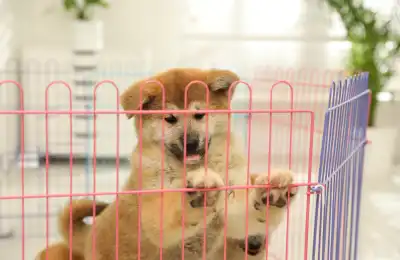
While you're teaching your puppy not to chew on things, supervision is key. Whenever you're home, closely monitor your puppy to ensure they’re not chewing on anything they shouldn’t be.
Be present to catch your puppy when they begin chewing on something inappropriate. Redirect their attention immediately and reward them for chewing on the right things.
If you can’t supervise your puppy, consider confining them to a crate or playpen. This keeps them safe and prevents them from chewing on furniture, cords, and other items you want to protect. Just make sure they have enough chew toys to keep them occupied while confined.
How Long Does the Puppy Chewing Phase Last?
The chewing phase typically starts around 3 weeks of age and can last until they are 6 to 9 months old. The chewing stage usually peaks around 4 to 6 months of age, when teething is at its most intense.
Some dogs may continue chewing longer, especially if they weren’t trained properly during their formative months, but with patience and the right approach, you can help your puppy learn which things are okay to chew and which are off-limits.
Recommended for you!
Best SellersFrequently Asked Questions
Should I tell my puppy off for chewing?
Avoid harsh punishment when your puppy chews on things they shouldn’t. Instead, gently redirect their attention to an appropriate chew toy. If you catch them in the act, calmly say "no" and offer a toy. Positive reinforcement, such as praise and treats for chewing the right items, is much more effective than scolding.
What dog breeds chew the most?
Certain breeds are more prone to chewing than others, especially those with high energy levels or working instincts. Breeds like Labrador Retrievers, Beagles, and German Shepherds tend to chew more due to their active and curious nature. However, chewing behaviour is also influenced by the individual dog, their training, and their environment.
Why is my puppy chewing on everything but their toys?
If your puppy is chewing on everything except their toys, it could be because they’re bored, anxious, or simply haven’t learned the difference between acceptable and unacceptable items. Increase playtime and exercise to burn off excess energy, and make sure they have plenty of interesting toys to choose from. If they continue chewing on the wrong things, consistently redirect them to their toys and reward them when they comply.
What is the best chew toy for puppies?
The best chew toy for puppies is one that’s durable, safe, and appropriate for their teething stage. Look for toys made from rubber and nylon, as these materials can withstand chewing without breaking apart. Choose a toy that’s sized for your puppy’s mouth and one that will keep them engaged. Some toys are designed to hold treats, which can keep your puppy entertained for longer.
Study Our Dog Training Diploma for £29
If you're ready to take your dog training to the next level, Centre of Excellence offers a comprehensive Dog Training Diploma Course. Whether you're a new puppy parent or looking to refine your skills, our course is designed to guide you through the essentials of effective dog training. Sign up today for just £29 and start your journey towards becoming an expert dog trainer!