Feeling stressed or anxious can creep up quietly. It might show up as constant worry, poor sleep, tension in your body, or simply feeling overwhelmed by everyday demands. If you’re researching herbs for stress and anxiety, you’re likely looking for gentle, natural ways to feel calmer and more balanced without harsh side effects.
Medicinal herbs for anxiety have been used for centuries across different cultures, long before modern stress became such a familiar part of daily life. While herbs are not a replacement for medical care, many people find they offer valuable support alongside healthy lifestyle choices.
What’s in This Guide?
This guide explores nine of the best herbs for stress and anxiety, examining what the herb is, how it’s traditionally used, and why it’s considered helpful for emotional well-being.
This article is for informational purposes only and is not a substitute for professional medical advice, diagnosis, or treatment. Always consult with your GP or a qualified healthcare professional before starting any new herbal remedies, especially if you are pregnant, breastfeeding, taking medication, or managing a health condition.
Jump to:
- How Do Herbs Work for Stress and Anxiety?
- Ashwagandha – Supporting Calm and Resilience
- Lemon Balm – Gentle Relief for Nervous Tension
- Chamomile – A Classic Herb to Relax
- Valerian Root – Supporting Deep Relaxation
- Passionflower – Calming a Busy Mind
- Lavender – Comfort for the Nervous System
- Holy Basil (Tulsi) – Balancing Emotional Stress
- Rhodiola – Supporting Mental Energy Under Pressure
- Skullcap – Soothing Overstimulated Nerves
- Are Herbs Safe to Use for Stress and Anxiety?
- Choosing the Right Herbs for You
- Study Master Herbalism for £29
How do Herbs Work for Stress and Anxiety?
Stress management herbs work by supporting the nervous system rather than forcing quick changes. Some herbs help the body relax, others support sleep, and some help you cope better with pressure over time. Together, they form part of a natural approach to stress reduction that focuses on balance.
Herbs for stress relief are often taken as herbal teas, tinctures, capsules, or added to calming drinks. The key is to choose the right herb for your specific needs.
1. Ashwagandha – Supporting Calm and Resilience
Ashwagandha is often mentioned as one of the strongest herbs for anxiety, particularly when stress feels long-term or exhausting. It is classed as an adaptogen, meaning it helps your body adapt to stress rather than simply sedating you.
People often turn to ashwagandha when anxiety is paired with fatigue, poor concentration, or sleep problems. It supports emotional resilience and may help reduce the physical effects of stress on the body.
Ashwagandha is usually taken in capsule or powder form and is often used consistently over several weeks for best results.
2. Lemon Balm – Gentle Relief for Nervous Tension
Lemon balm is one of the most popular relaxing herbs for everyday stress. It has a mild, uplifting effect and is often used when anxiety feels fluttery or unsettled, particularly in the chest or stomach.
This herb is commonly recommended for people who feel nervous before social situations or struggle with racing thoughts. It’s also known to support sleep when stress makes it hard to switch off at night.
Lemon balm tea is a popular choice, especially before bed. Its pleasant taste makes it easy to enjoy regularly.
3. Chamomile – A Classic Herb to Relax

Chamomile is one of the most widely recognised herbs to relax the mind and body. It’s gentle enough for regular use and is especially helpful for mild anxiety and sleep difficulties.
Often associated with bedtime routines, chamomile works by encouraging relaxation rather than knocking you out. It’s ideal if stress shows up as irritability, muscle tension, or difficulty unwinding in the evening.
Chamomile tea remains one of the simplest stress-relieving herbs to include in daily life.
4. Valerian Root – Supporting Deep Relaxation
Valerian root is best known for its role in sleep support, but it’s also commonly used for anxiety that disrupts rest. It may be helpful when stress feels intense, particularly if your mind stays busy late into the night.
This herb has a stronger effect than many relaxing herbs, so it’s usually taken in capsules or tinctures rather than as a tea. Some people find it very calming, while others prefer milder options.
Valerian is one of the best natural remedies for anxiety that affects sleep patterns.
5. Passionflower – Calming a Busy Mind
Passionflower is frequently used for anxiety linked to overthinking and mental overload. It helps slow racing thoughts without causing heavy drowsiness, making it useful during the day as well as in the evening.
This herb is often recommended when worry feels circular and hard to stop. It supports emotional steadiness and can be helpful during stressful life changes or periods of uncertainty. Passionflower tea or tincture is commonly used as part of a natural stress relief routine.
6. Lavender – Comfort for the Nervous System
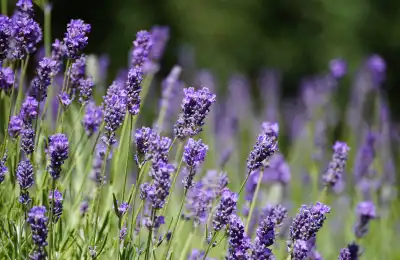
Lavender is well known for its soothing scent, but it’s also one of the most effective herbs for stress reduction when used internally or aromatically. It supports relaxation and emotional balance, especially during moments of tension.
Lavender tea is gentle and calming, while essential oil is often used to promote relaxation through scent. Many people find lavender helpful before sleep or during anxious moments.
7. Holy Basil (Tulsi) – Balancing Emotional Stress
Holy basil, also known as tulsi, is another adaptogenic herb that supports the body’s response to stress. It’s traditionally used to promote calm focus and emotional balance, especially during long-term stress.
Tulsi is often used as a tea and is valued for its ability to support both mental clarity and relaxation at the same time. It’s particularly helpful if stress feels mentally draining rather than overwhelming. Among natural herbs for stress and anxiety, holy basil is often chosen for daily emotional support.
8. Rhodiola – Supporting Mental Energy Under Pressure
Rhodiola is commonly used when stress is linked to burnout and mental fatigue. Unlike sedative herbs, it supports alert calmness rather than relaxation alone.
This herb may be useful if anxiety is paired with exhaustion, low motivation, depression, or difficulty coping with workload pressure. It’s often taken earlier in the day to support focus and emotional stability.
9. Skullcap – Soothing Overstimulated Nerves
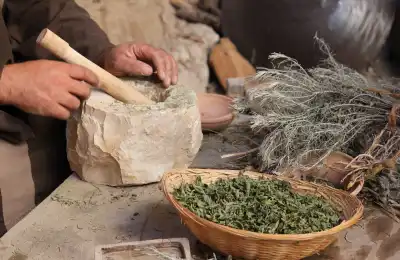
Skullcap is known for its calming effect on an overactive nervous system. It’s often used when anxiety feels jittery or physically uncomfortable.
This herb can help ease nervous tension without causing heavy sedation. It’s commonly used in herbal blends aimed at emotional balance and relaxation. Skullcap is valued among herbs that relieve anxiety linked to nervous restlessness.
Are Herbs Safe to Use for Stress and Anxiety?
Many stress relief herbs are considered safe when used correctly, but it’s important to follow dosage guidance and be aware of potential interactions. Some herbs may not be suitable during pregnancy, while taking medication, or for long-term use without professional advice. Learning how to use herbs responsibly is key to gaining their full benefits.
Choosing the Right Herbs for You
When exploring herbs good for stress and anxiety, it’s important to consider what your stress feels like. Some people experience mental overload, others struggle with physical tension, and some feel emotionally drained.
The best choice for you depends on your symptoms, lifestyle, and how your body responds. Many people combine herbs thoughtfully or rotate them depending on their needs. Herbs work best alongside supportive habits such as good sleep, balanced nutrition, gentle movement, and stress awareness.
Recommended for you!
Best Sellers


Study Master Herbalism for £29
If you’re interested in exploring stress management herbs in greater depth, our Master Herbalist Diploma Course provides structured learning suitable for all experience levels. The course covers herbal safety, preparation methods, and how different herbs support emotional and physical health. Enrol today and access the full course for a discounted price of £29!