When you’re looking for natural ways to support your wellbeing, herbs often come up as gentle but effective options. One plant that has attracted a lot of attention over the years is passionflower. You may have heard of it in the form of tea, tablets or extracts, often linked with calming effects and better sleep. In this blog post, we explore what passionflower is, how it’s used, and what the possible side effects are.
This article is for informational purposes only and is not a substitute for professional medical advice, diagnosis, or treatment. Always consult with your GP or a qualified healthcare professional before starting any new herbal remedies, especially if you are pregnant, breastfeeding, taking medication, or managing a health condition.
Jump to:
Recommended for you!
Best Sellers




What is Passionflower?
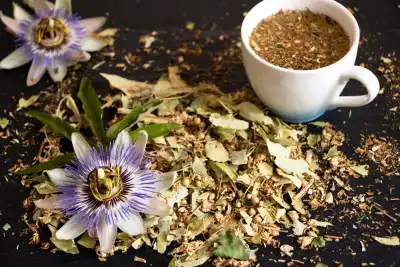
Passionflower (Passiflora incarnata) is a climbing vine with striking purple and white blossoms. Native to the Americas, it has been used in traditional remedies for centuries, and it is now widely available worldwide.
You’ll often see it sold as passionflower pills, passionflower tablets, passionflower extract, or passion flower supplements. The plant has a reputation for calming the nervous system, which is why many people turn to it for sleep troubles, nervousness and relaxation.
The Benefits of Passionflower

Passionflower has been linked with several benefits for both mind and body:
- Supports sleep: Many people who struggle with insomnia or restless nights find that passionflower helps them relax enough to fall asleep more easily, and in some cases, it can also improve the quality of sleep by reducing the number of night-time awakenings.
- Reduces anxiety: By acting on the nervous system and encouraging the brain to release more of the calming chemical GABA, passionflower may reduce feelings of restlessness and racing thoughts. People often describe feeling more at ease and less tense after taking it, which makes it a popular natural choice for those who experience mild anxiety.
- Encourages relaxation: Passionflower’s gentle sedative effect can be useful when you need to unwind at the end of a stressful day or settle your nerves before a challenging situation, such as public speaking or an important meeting.
- Supports mood balance: While passionflower is not considered an antidepressant, some people report that it helps with feelings of low mood that are linked to stress or nervous exhaustion, offering a sense of balance without creating dependency.
What Types of Passionflower Can You Take?
Like many popular herbs, passionflower is available in several forms, each offering its own advantages depending on your lifestyle and preferences. Tablets or pills are often chosen for their convenience, as they provide a consistent dosage that can easily be incorporated into a daily routine. Liquid extracts are another option; these are usually added to water or juice and allow for flexible dosing, making them appealing if you prefer to adjust the strength to your needs.
For those who enjoy a calming evening ritual, passionflower herb tea remains one of the most traditional and soothing methods. The process of preparing and sipping a warm infusion can itself encourage relaxation, which adds to the benefits of the herb. Powders and capsules are also widely available, offering a practical alternative that can be integrated into wellness routines without much preparation.
How Much Passionflower Should You Take, and When?
Dosage varies depending on the type of product. General guidelines suggest:
- Passionflower for anxiety dosage: Around 250–500 mg of extract daily.
- Passionflower for sleep: Typically 300–400 mg before bedtime.
- Tea: 1–2 teaspoons of dried herb steeped for 10–15 minutes.
It’s always best to check the label of the specific product you’re using and consult a healthcare professional before starting.
What Are the Side Effects of Passionflower?

For most people, passionflower is safe when taken in moderate amounts. However, possible side effects include:
- Drowsiness
- Dizziness
- Mild nausea
- Confusion or uncoordinated movement
Who Should Avoid Passionflower?
Certain people should avoid passionflower or seek medical advice before using it.
Pregnant and breastfeeding women: The safety of passionflower during pregnancy and breastfeeding has not been established, so it is best avoided in these groups.
Children: Passionflower is not generally recommended for young children unless advised by a healthcare professional.
People on medication: Because passionflower has a calming effect, it can interact with sedatives, sleeping pills and medicines prescribed for anxiety or depression. It may also enhance the effects of blood-thinning drugs. Anyone taking prescribed medication should consult a doctor before use.
Recommended for you!
Best SellersFrequently Asked Questions
Is passionflower safe for long-term use?
Short-term use of passionflower is considered safe for most people. However, there’s limited research on long-term use. For safety, it’s best to use it occasionally or in cycles rather than continuously over many months.
When is the best time to take passionflower?
If you’re using passionflower for sleep, take it 30–60 minutes before bedtime. For anxiety or stress relief, smaller doses can be taken earlier in the day. Some people also enjoy passion flower tea benefits in the evening as part of a relaxing wind-down routine.
Which form of passionflower is best?
Each form of passionflower has something unique to offer. Teas provide comfort and ritual, tablets and capsules deliver ease and consistency, and extracts give you the freedom to tailor the amount more precisely. Choosing the right one often comes down to what feels most natural and sustainable for you.
Does passionflower work straight away?
Some people notice a calming effect the first time they take passionflower, particularly when using teas or tinctures. For others, the benefits may build gradually over several days of consistent use, especially when taken for sleep or mild anxiety.
Can you drive after taking passionflower?
Since passionflower can cause drowsiness in some people, it’s best to see how your body responds before driving, operating machinery, or doing anything that requires full alertness. If you feel sleepy or light-headed, avoid driving until the effects have worn off.
Is passionflower safe to take alongside other herbs?
Passionflower blends well with gentler herbs such as chamomile or lemon balm, especially in teas designed for relaxation. However, combining it with stronger sedative herbs like kava or large amounts of valerian can lead to excessive drowsiness, so professional guidance is recommended if you are considering this.
Study Our Master Herbalist Diploma for £29
If you’d like to deepen your knowledge of herbal remedies, the Master Herbalist Diploma Course from Centre of Excellence is a brilliant place to start. For a limited time, you can access this course for just £29. It’s a fantastic way to explore herbs like passionflower in depth, learn safe practices, and grow your skills in herbal wellness.