If you’re feeling overwhelmed, low in mood, anxious, or simply out of balance, it’s natural to look for gentle, supportive ways to feel more like yourself again. Many people turn to herbal remedies because they offer a softer, more holistic approach that works alongside everyday life rather than overpowering it.
What’s in This Guide?
This article explores 12 herbs commonly used for emotional healing, explaining what they are known for and how they may help you feel calmer, more balanced, and emotionally supported. We’ll also explore how to choose the right healing herbs for you.
This article is for informational purposes only and is not a substitute for professional medical advice, diagnosis, or treatment. Always consult with your GP or a qualified healthcare professional before starting any new herbal remedies, especially if you are pregnant, breastfeeding, taking medication, or managing a health condition.
Jump to:
- How Can Herbs Support Emotional Healing?
- Lemon Balm – Gentle Comfort for Stress and Worry
- Chamomile – Soothing the Mind and Emotions
- Lavender – Calming the Nervous System
- St John’s Wort – Supporting Low Mood
- Ashwagandha – Building Emotional Resilience
- Passionflower – Easing Anxious Thoughts
- Rose – Emotional Nourishment and Heart Support
- Holy Basil (Tulsi) – Restoring Emotional Balance
- Valerian – Deep Relaxation for Emotional Tension
- Ginseng – Supporting Emotional Strength and Vitality
- Skullcap – Quietening an Overworked Mind
- Motherwort – Steadying Emotions During Inner Turbulence
- Are Herbs Safe to Use for Emotional Healing?
- Choosing the Right Herbs for You
- How Long Does It Take to See a Change?
- Study Master Herbalism for £29
How Can Herbs Support Emotional Healing?
Herbs used for emotional healing tend to work in subtle ways. Some calm an overactive nervous system, others gently lift a low mood, while some support deeper emotional resilience over time. Rather than offering instant fixes, they encourage balance and stability.
Below, you will find some of the best herbs for emotional healing, each offering something slightly different.
1. Lemon balm – gentle comfort for stress and worry
Lemon balm is one of the most approachable herbs for emotional wellbeing. It has a light, citrusy scent and is often described as comforting and reassuring. Traditionally, it’s been used to ease nervous tension, restlessness, and emotional overwhelm.
This herb is particularly helpful if your mind feels busy or you struggle to relax. It calms the nerves, working gently without causing drowsiness for most people. Many people take lemon balm as a herbal tea or tincture, especially in the evening, to help create a sense of calm after a stressful day.
2. Chamomile – soothing the mind and emotions
Chamomile is known as a calming bedtime tea, but its emotional benefits go beyond sleep. It’s often used to ease anxiety, irritability, and emotional tension that shows up in the body, such as tight shoulders or a knotted stomach.
This herb is especially helpful if your emotions feel closely linked to physical discomfort. Chamomile encourages relaxation and softness, making it a good choice during periods of emotional strain. It’s often included in discussions about herbs that heal the heart, as it supports both emotional comfort and physical relaxation.
3. Lavender – calming the nervous system
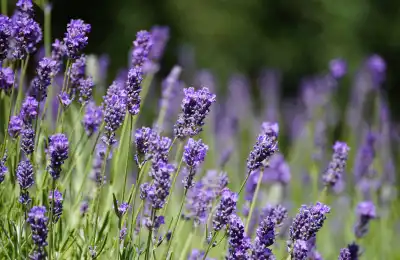
Lavender is best known for its calming scent, but it also has a long history of use in herbal medicine for emotional wellbeing. It is often used when stress, or low mood are linked to nervous exhaustion.
Lavender is effective for calming the nerves, and its soothing qualities can help quiet racing thoughts and encourage emotional balance. It’s most commonly used in teas, tinctures, or as an essential oil for aromatherapy, making it a versatile option for daily emotional support.
4. St John’s wort – supporting low mood
St John’s wort is one of the most well-known herbs for emotional health, particularly when it comes to low mood. It has traditionally been used to support emotional balance during periods of sadness or lack of motivation.
St John’s wort is often called a mood stabiliser because of its reputation for supporting emotional steadiness over time. It is important to note that this herb can interact with medications, so professional guidance is essential before using it regularly.
5. Ashwagandha – building emotional resilience
Ashwagandha is an adaptogenic herb, meaning it helps the body adapt to stress rather than targeting one specific symptom. It is often used when emotional struggles are linked to long-term stress or burnout.
This herb supports emotional resilience, helping you feel more grounded and steady during challenging periods. It doesn’t push emotions in one direction but instead encourages balance. Ashwagandha helps you heal emotionally because it works at a deeper level, supporting the nervous system over time rather than offering quick relief.
6. Passionflower – easing anxious thoughts
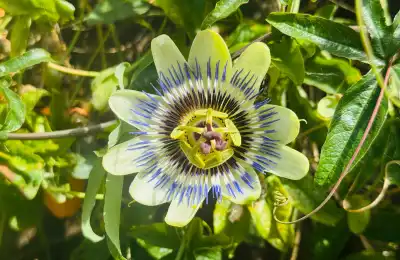
Passionflower is well known for its calming effect on the mind, and is often used when anxiety shows up as racing thoughts, mental restlessness, or difficulty switching off.
This herb can be particularly helpful during times of emotional overload, when your thoughts feel tangled or overwhelming. Passionflower gently slows mental activity, helping you feel more present and settled. It’s one of the best herbs for emotional healing, especially for those dealing with anxiety-related symptoms.
7. Rose – emotional nourishment and heart support
Rose has long been associated with emotional healing and heart-centred support. In herbal traditions, it is seen as a gentle tonic for the emotions, offering comfort during grief, sadness, and emotional vulnerability.
Rose is often described as one of the classic herbs that heal the heart, both emotionally and energetically, encouraging self-compassion and a sense of connection. Rose can be enjoyed as a tea, tincture, or added to bath rituals for emotional nourishment.
8. Holy basil (tulsi) – restoring emotional balance
Holy basil, also known as tulsi, is another adaptogenic herb widely used for emotional wellbeing. It’s particularly helpful during times of emotional stress caused by external pressures, such as work demands or life changes.
Tulsi supports mental clarity and emotional balance, helping you feel calmer without feeling sedated. It is often used to support emotional healing when stress has become constant or draining.
9. Valerian – deep relaxation for emotional tension
Valerian is best known for its use in sleep support, but it also plays a role in emotional healing. It’s particularly helpful when emotional stress shows up as physical tension or an inability to fully relax.
Valerian works deeply on the nervous system, encouraging release and relaxation. It’s often used during periods of emotional strain when lighter calming herbs are not quite enough. Because of its strength, valerian is usually taken under guidance and is not typically used long-term without professional advice.
10. Ginseng – supporting emotional strength and vitality
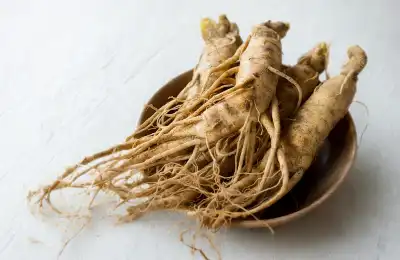
Ginseng is often associated with energy and stamina, but it also plays a role in emotional wellbeing. It’s used to support emotional strength, motivation, and mental clarity, particularly during periods of emotional fatigue.
It's often considered one of the most powerful healing herbs because of its wide-ranging effects on both mental and physical resilience. Ginseng is best suited to those who feel emotionally depleted rather than overstimulated.
11. Skullcap – quietening an overworked mind
Skullcap is often used when emotional strain shows up as mental exhaustion. If your thoughts feel constantly busy or you find it hard to fully relax, this herb may offer gentle support. It is known for its ability to calm the nervous system without dulling the mind, which makes it useful during periods of emotional overload.
This herb is good for calming nerves because it helps settle racing thoughts and emotional tension. Skullcap can be especially supportive for those who feel mentally drained after long periods of stress or emotional pressure. Taken as a tea or tincture, skullcap encourages a sense of calm clarity, helping you feel more centred and emotionally steady.
12. Motherwort – steadying emotions during inner turbulence
Motherwort is traditionally associated with emotional reassurance and inner strength. It’s often used when emotions feel intense or difficult to manage, particularly during times of emotional upheaval.
Many herbal traditions describe motherwort as supportive for emotional grounding, helping you feel more stable and anchored when emotions are running high. This is why it’s often referred to as a mood stabiliser, although its effects are gentle rather than dramatic.
Motherwort is commonly used for emotional support when anxiety is mixed with restlessness or emotional sensitivity. Over time, it may help create a greater sense of emotional balance and calm.
Are Herbs Safe to Use for Emotional Healing?
Herbs used for emotional healing are generally considered safe when chosen carefully and used appropriately. Many have a long history of traditional use for supporting mood, however, herbs can still have strong effects on the body and mind, especially when taken in concentrated forms or over long periods. Individual factors such as existing health conditions, pregnancy, or medication use can affect how herbs work for you.
Choosing the Right Herbs for You
Choosing the right herbs for emotional healing starts with understanding your own emotional experiences. Some herbs are better suited to calming anxious thoughts, while others gently lift low mood or support emotional resilience during long-term stress.
Paying attention to how your emotions show up, whether as restlessness, sadness, overwhelm, or fatigue, can help guide your choices. Personal preference also matters, as scent, taste, and form can influence how consistently you use a herb.
How Long Does It Take to See a Change?
The time it takes to notice emotional changes from herbs can vary widely. Some calming herbs may offer a sense of relaxation within hours or days, while others work gradually, supporting emotional balance over weeks of consistent use. Factors such as the type of herb, dosage, and your overall wellbeing all play a role.
Recommended for you!
Best Sellers


Study Master Herbalism for £29
If you’re interested in exploring healing herbs in greater depth, our Master Herbalist Diploma Course provides structured learning suitable for all experience levels. The course covers herbal safety, preparation methods, and how different herbs support emotional and physical health. Enrol today and access the full course for a discounted price of £29!