One of the most recognisable and cherished figures in Hinduism is Ganesha, also known as Ganesh or Ganpati. With his elephant head and gentle expression, he’s honoured as the remover of obstacles and a bringer of wisdom, prosperity and success.
In this guide, you’ll discover the myths, powers, and symbols that surround Ganesha, offering insight into why this beloved Hindu god continues to inspire such deep devotion across the world.
Jump to:
- Who is Ganesha in Hindu Mythology?
- Ganesha’s Myths and Stories
- The Role of Ganesha in Hindu Storytelling
- Powers of Ganesha
- Symbols Associated with Ganesha
- Ganesha’s Lineage and Connections
- Why Ganesha is Special
- Worship of Ganesha in Modern Culture
- Frequently Asked Questions
- Study Our Hindu Mythology Diploma for £29
Recommended for you!
Best Sellers


Who is Ganesha in Hindu Mythology?
Ganesha is celebrated as the Hindu god of wisdom, learning and new beginnings. He is prayed to before important milestones in life, such as starting a marriage, a business venture, or a journey. His role as a remover of obstacles makes him especially significant for those seeking a fresh start.
As the son of Lord Shiva and Goddess Parvati, Ganesha belongs to one of Hinduism’s most powerful divine families. His name is derived from the Sanskrit words Gana (meaning “group” or “people”) and Isha (meaning “lord”). Together, the full meaning of Ganesh is “Lord of the People.” Ganesha is sometimes referred to as Ganesh. Both names refer to the same deity; the shorter version is a popular form, while Ganesha is the more formal.
Ganesha’s Myths and Stories
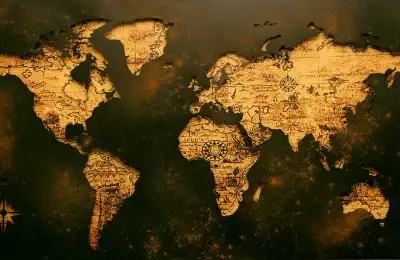
Like many deities, Ganesha is surrounded by stories that explain his unique appearance and highlight his qualities.
The Birth of Ganesha
Goddess Parvati created a child from sandalwood paste and breathed life into him. She asked the boy, Ganesha, to guard her while she bathed. When Shiva returned home, the child blocked his entry. Not realising this was his own son, Shiva grew furious and struck him down.
Parvati was heartbroken and demanded that her son’s life be restored. To bring peace, Shiva placed the head of an elephant on the boy’s body, giving him new life. From that moment, Ganesha became the elephant-headed Hindu god who is loved and worshipped across the world.
The Race Around the World
Another well-known story involves a competition between Ganesha and his brother Kartikeya. The challenge was to race around the world. While Kartikeya flew off on his peacock, Ganesha calmly circled his parents, explaining that they represented the entire universe. His wisdom was praised, and he was declared the winner. This tale demonstrates the value of intelligence over speed or force.
The Broken Tusk
While writing down the epic Mahabharata for the sage Vyasa, Ganesha’s pen broke. Without hesitation, he snapped off one of his tusks and continued writing, showing his commitment to knowledge and perseverance. This explains why he is often depicted with a single tusk.
Ganesha Drinking Milk
In more recent history, a phenomenon known as “Ganesha drinking milk” attracted global attention in 1995. Devotees reported that statues of the deity absorbed milk offered during worship. Scientists explained this as capillary action, but for many believers it was seen as a miraculous sign of the god’s presence.
The Role of Ganesha in Hindu Storytelling
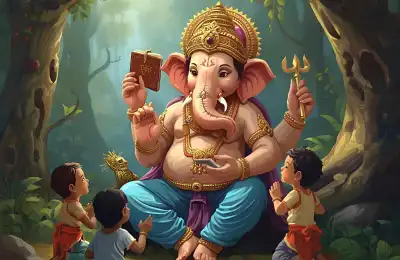
Ganesha plays a significant role in Hindu storytelling traditions. His tales teach moral lessons about wisdom, humility, and respect for parents. Children enjoy hearing stories about his playful character, while adults value the deeper spiritual meanings. Because of his ability to remove obstacles and bless new beginnings, Ganesha is often the first deity invoked in prayers and ceremonies. This highlights his importance in daily life as well as in the broader context of Hindu mythology.
Powers of Ganesha
Ganesha is honoured for his unique set of powers, which align with the qualities people aspire to in their own lives. His powers include:
- Wisdom and intellect: Guiding people to make thoughtful and balanced decisions.
- Prosperity and success: Blessing devotees with abundance in their endeavours.
- Protection: Guarding against negative forces and misfortune.
- The removal of obstacles: Clearing challenges that block progress.
Symbols Associated with Ganesha
Every detail of Ganesha’s image carries meaning. His distinctive appearance is deeply symbolic:
- Elephant head: Represents wisdom, strength, and insight.
- Big ears: Symbolise the ability to listen carefully and learn from others.
- Small eyes: Reflect focus and concentration.
- Large stomach: Represents the capacity to accept and digest both joys and challenges.
- Snake around his stomach: Symbolises control over desires and energy.
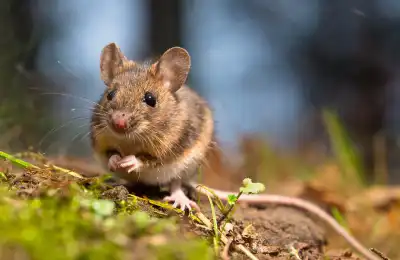
- Mouse at his feet: Reminds devotees of humility, showing that even the smallest creature has power.
Ganesha’s Lineage and Connections
As the son of Shiva and Parvati, Ganesha belongs to a powerful divine lineage. His brother Kartikeya is a god of war and another prominent figure in Hindu Mythology.
In some traditions, Ganesha is considered unmarried. In others, he’s described as married to Siddhi (success) and Buddhi (wisdom), who represent qualities that perfectly complement his role as a god of knowledge and prosperity. His wives highlight the values he embodies and the blessings he bestows.
Why Ganesha is Special
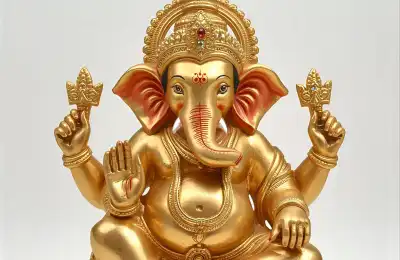
Ganesha stands out among Hindu deities because he is both divine and approachable. His elephant-headed form makes him unique, his playful nature makes him endearing, and his role as a remover of obstacles makes him essential in daily life. He is worshipped in temples, homes, businesses, and personal spaces, where people turn to him for guidance and reassurance.
Worship of Ganesha in Modern Culture
The most prominent celebration of Ganesha is Ganesh Chaturthi, also known as the Vinayaka Chaturthi festival. This festival marks his birthday and is celebrated with immense enthusiasm, especially in Maharashtra. Communities and families bring elaborately crafted statues of Ganesha into their homes and public spaces. Worship is offered with sweets, flowers and music. At the end of the celebration, the idols are immersed in water, symbolising his return to the divine realm.
Beyond the festival, devotion to Ganesha is visible in many aspects of modern culture. His image appears in jewellery, art, home décor, and in games designed for children. Many people keep small idols in their homes or cars for protection and good luck. Others find personal expression through a tattoo of Ganesh, making his guidance a permanent part of their lives.
Recommended for you!
Best SellersFrequently Asked Questions
Why does Ganesha have multiple arms?
Many depictions of Ganesha show him with four or more arms. Each hand often holds a symbolic object, such as a lotus for enlightenment, an axe for cutting attachments, a sweet for rewards, or a rope for pulling devotees closer to truth. His many arms reflect his divine abilities to guide and protect.
Why is Ganesha associated with sweets like modak?
Ganesha is traditionally offered modak, a sweet dumpling made of rice flour and filled with coconut or jaggery. This treat symbolises the sweetness of wisdom and the rewards of spiritual devotion. It is said to be his favourite food.
Why is Ganesha sometimes shown dancing?
Images of a dancing Ganesha, known as Nritya Ganapati, represent joy, creativity and the rhythm of life. This form highlights his role as a deity who embraces both the playful and serious sides of existence.
What colours are associated with Ganesha?
Red and yellow are strongly connected to Ganesha. Red represents energy and power, while yellow symbolises purity and wisdom. Together, they reflect his vibrant and balanced nature.
Is Ganesha worshipped outside of India?
Ganesha’s approachable nature and universal qualities of wisdom, prosperity, and protection have made him popular worldwide. He is honoured both in Hindu communities and in places influenced by Indian culture, such as Nepal, Thailand, and Bali.
Study Our Hindu Mythology Diploma for £29
If you would like to learn more about the gods, goddesses, and myths of Hinduism, the Hindu Mythology Diploma Course with Centre of Excellence is the perfect place to start. This online course takes you through the stories of deities such as Ganesha, Shiva, and Vishnu, and helps you appreciate their cultural and spiritual importance. Right now, you can enrol for just £29!