Circles are one of the most recognisable shapes in the world. From the sun and moon to tree rings and ripples in water, this simple shape appears again and again in nature. It is also one of the oldest symbols used by humans, appearing in ancient carvings, sacred artwork, religious texts, and spiritual traditions across cultures.
Because of its continuous form, the meaning of a circle symbol has long been associated with ideas such as eternity, unity, and the cycles of life. Unlike shapes with corners or edges, a circle flows endlessly. This has led many cultures to see it as a powerful representation of wholeness and connection.
What’s in This Guide?
This guide explores the symbolic meaning of circles and why they’ve held such strong spiritual significance throughout history. You will also learn how circular symbols appear in nature, sacred geometry, religion, philosophy, and everyday life.
Jump to:
The Fundamental Meaning of a Circle
A circle is a shape with no beginning and no end. This continuous line is one of the reasons the circle’s meaning is often linked with eternity and infinity.
Many traditions interpret the symbolism of a circle as representing completeness. Everything within the circle belongs to the whole, and every point along the edge is equally connected to the centre. Because of this, circles are often used to symbolise unity and balance.
Another important aspect of a circle’s meaning is wholeness. In symbolic terms, the circle represents something complete and harmonious. This idea appears frequently in spiritual teachings, where circles are used to illustrate the interconnected nature of life. Circles also represent ideas such as:
- Unity and connection
- Eternity and infinity
- Balance and harmony
- Cycles and renewal
These themes form the foundation of many circle symbols and meanings found across cultures.
The Circle and the Cycles of Life
One of the most widely recognised interpretations of circles relates to life’s natural cycles. The idea of circle of life symbolism reflects the way existence moves through repeating stages.
In nature, cycles are everywhere. The seasons rotate throughout the year. Day turns into night and back again. Plants grow, bloom, fade, and return. These repeating patterns mirror the endless shape of a circle. Because of this, the circle meaning in life often represents renewal and transformation. Endings are rarely permanent; instead, they lead to new beginnings.
This symbolic idea also appears in many philosophies that describe life as a continuous process of learning and growth. Experiences often bring you back to familiar places, but with deeper understanding. This is where the phrase “coming full circle” originates. Spiritually, it suggests returning to a starting point with greater wisdom.
Circle Symbols and Their Meanings
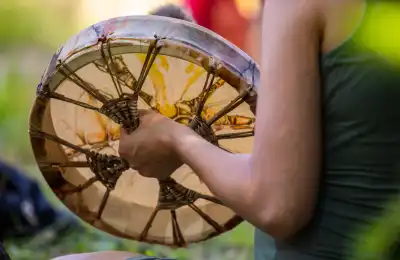
Throughout history, many cultures and belief systems have used circular shapes to represent spiritual ideas, natural cycles, and universal balance. These circle symbols and meanings often reflect themes such as unity and the interconnected nature of life.
- The Sun – Often seen as a circular symbol of life, energy, and renewal. Many cultures associate the sun with power, vitality, and the life-giving forces of nature.
- The Moon – The moon’s circular form is linked with intuition and emotional cycles. Its phases also reflect transformation and the rhythm of time.
- The Enso Circle (Zen Buddhism) – This hand-drawn circle symbolises enlightenment, simplicity, and the beauty of imperfection. It represents the moment when the mind is free to create.
- The Ouroboros – A serpent or dragon forming a circle by eating its own tail. This symbol represents transformation and the continuous cycle of creation and renewal.
- The Flower of Life – A sacred geometry symbol made from overlapping circles. It represents the patterns of creation and the interconnected structure of the universe.
- The Halo – A circular ring of light shown around saints and sacred figures in religious art. It symbolises holiness, spiritual illumination, and divine presence.
- Wedding Rings – One of the most familiar circular symbols. Their unbroken shape represents eternal love, commitment, and unity.
- Mandalas – Circular spiritual diagrams used in Hindu and Buddhist traditions. They symbolise the universe, balance, and the journey toward inner harmony.
Why the Circle is Seen as a Powerful Symbol
A circle’s power lies in its presence throughout the natural world. The sun and moon appear circular in the sky, water forms circular ripples when disturbed, and even microscopic cells often take rounded forms. These repeating patterns reinforce the significance of circles as symbols of natural order.
The structure of a circle also creates a sense of equality. Every point around its edge shares the same relationship with the centre. In symbolic terms, this reflects balance and unity. This is why circular arrangements appear in many communal settings, from ancient council gatherings to meditation groups. The shape naturally encourages connection and shared focus.
Because of this symbolism, many traditions speak about the power of a circle as a representation of unity, protection, and spiritual alignment.
Circles in Sacred Geometry
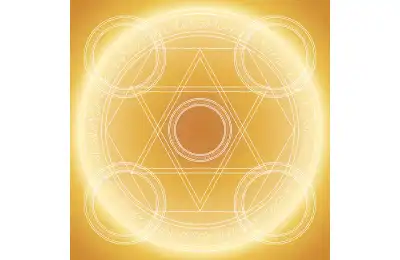
Sacred geometry explores shapes believed to reflect patterns within the universe. In this field, the circle is considered one of the most important forms.
Many geometric patterns begin with a single circle and expand outward into complex designs. The Flower of Life, for example, is created from overlapping circles that form an intricate pattern believed to symbolise creation and universal harmony.
These designs often include symbols with circles and lines, showing how different shapes emerge from a circular foundation. The circle acts as a starting point for geometric relationships that appear throughout nature.
In sacred art and spiritual symbolism, circular patterns often represent the universe itself. The centre may symbolise the origin of creation, while the expanding shapes represent growth and movement.
Circles in Spiritual and Religious Traditions
Across many belief systems, circles appear as symbols of unity, sacred space, and divine connection.
- Spiritual gatherings and meditation circles: In many spiritual practices, people gather in a circle for meditation or discussion. This arrangement symbolises equality and shared presence, as no one person stands above another. Some traditions refer to a spirit circle, where people come together to focus collective energy and support spiritual growth.
- Divine or universal circles: In spiritual philosophy, the idea of a divine circle represents the universe as a unified whole. The centre is often seen as the source of creation, while the surrounding circle reflects the interconnected nature of all life.
- Pagan and witchcraft traditions: Circles play an especially important role in pagan and witchcraft practices. Before performing rituals, practitioners often create a ritual circle to establish a sacred boundary where spiritual work can take place. This pagan circle symbol represents the elements of nature and the rhythms of the earth.
- Christian symbolism: Circular imagery also appears in Christianity. The Book of Isaiah refers to God sitting above “the circle of the earth,” highlighting divine perspective and creation. In Christian art, halos around saints symbolise holiness and spiritual light, while wedding rings represent eternal love through their unbroken circular form.

Psychological and Philosophical Meanings of Circles
Circles have fascinated thinkers for centuries, not only in spiritual traditions but also in psychology and philosophy. The shape is often used to explore ideas about human behaviour, emotional responses, balance, and the deeper patterns that shape existence.
The Psychological Meaning of Circles
From a psychological perspective, people often associate circles with comfort and harmony. Rounded shapes feel softer and less threatening than sharp angles, which is why circles frequently appear in design, architecture, and branding.
Circular arrangements can also encourage openness and equality—when people sit in a circle, everyone faces each other and no one holds a dominant position. Because of this, circles are commonly used in therapy groups and community discussions to create a sense of unity and shared understanding.
Philosophical Perspectives on the Circle
Philosophers have long seen the circle as a symbol of perfection and balance. Ancient Greek thinkers such as Plato and Pythagoras believed the shape represented harmony because every point along the edge is equal and connected to the centre.
The continuous line of a circle has also been used to represent infinity and the eternal nature of existence. In philosophical thought, the circle often reflects the idea that life moves through repeating cycles of creation, change, and renewal rather than following a straight path.
Recommended for you!
Best Sellers
Study Sacred Geometry for £29
If you find the symbolism of shapes like circles fascinating, sacred geometry offers an even deeper exploration of these patterns. These ancient designs reveal how geometric forms have been used for centuries to express spiritual ideas and universal truths.
The Sacred Geometry Diploma Course from Centre of Excellence explores these powerful shapes in detail. You’ll learn about symbols such as the Flower of Life, mandalas, and other sacred patterns, as well as how they appear in nature and spiritual traditions.
By following the link, you can enrol today for the discounted price of £29!