
Across cultures and creative traditions, the sun has been viewed as a powerful symbol of strength, hope, and awakening. Sun symbolism reflects your connection to energy and identity. From ancient sun symbols carved into temples to modern interpretations in psychology and tarot, the sun represents both outer illumination and inner clarity.
What’s in This Guide?
In this guide, you will explore the spiritual meaning of the sun, how it has been understood in different cultures, and what it can symbolise in your own life today. We’ll also look at the sun’s emotional and psychological connotations.
Jump to:
- What Is the Spiritual Meaning of the Sun?
- The Symbolism of the Sun: Light, Life, and Energy
- Ancient Sun Symbols and Their Meanings
- The Sun’s Symbolism in Different Cultures
- The Psychological and Emotional Meaning of the Sun
- The Sun in Chakra and Tarot
- The Sun in Art and Literature
- Frequently Asked Questions About Sun Symbolism
- Study Spirit Animals and Totems for £29
What Is the Spiritual Meaning of the Sun?
The spiritual meaning of the sun centres on light, life, and awakening. It symbolises illumination in both a physical and spiritual sense, representing clarity and higher awareness. Just as sunlight removes darkness, the sun is seen as a force that dispels confusion and brings understanding. Spiritually, the sun is often seen as:
- A symbol of the soul
- A source of divine energy
- A guide towards enlightenment
- A representation of higher consciousness
In many belief systems, light is associated with spiritual awakening. The sun becomes a visible reminder of invisible truths, encouraging you to step into clarity. Some traditions also connect the sun to personal empowerment and your desire to express who you truly are.
The Symbolism of the Sun: Light, Life, and Energy

When exploring sun symbolism, you'll notice that certain themes appear repeatedly: vitality, confidence, leadership, renewal, and protection. The symbolism of the sun is deeply rooted in the fact that all life depends on its energy.
At a personal level, the sun can symbolise your inner light. It may represent your identity and the part of you that shines when you feel confident and authentic.
The symbolism of the sun often centres around illumination. Just as sunlight brightens a dark room, the sun is believed to bring awareness and truth. It can represent understanding, insight, and the moment when something finally “clicks” for you.
Ancient Sun Symbols and Their Meanings
Throughout history, people have created powerful ancient sun symbols to honour its influence. Sun symbols often take the form of circles, rays, spirals, or wheels.
The circle represents wholeness and eternity, while rays symbolise expansion and outward energy. A cross within a circle, often seen in Celtic designs, reflects the changing seasons and the balance of light and dark.
The sun with face meaning is especially interesting. In many European traditions, a sun with a human face represents awareness and consciousness. It suggests that the sun is not simply a distant object, but a living presence watching over humanity.
These early symbols for sun were carved into temples, worn as jewellery, and painted into sacred art. They were visual reminders of power, protection, and divine presence.
The Sun’s Symbolism in Different Cultures

Across the world, the sun has carried unique meanings while still sharing common themes of life and strength. Below are examples of how different cultures have understood the meaning of the sun:
- Ancient Egypt – The sun was associated with Ra, the powerful sun god. It represented creation, authority, and divine order. The sun disc symbolised protection and the life-giving force of the cosmos.
- Aztec Civilisation – The sun stood at the centre of existence, connected to sacrifice, survival, and cosmic balance. The sun was seen as a force that sustained the world but required respect and devotion.
- Japanese Culture – The rising sun symbol reflects renewal and identity. It represents hope and national pride, as seen in Japan’s flag.
- Norse Mythology – The sun was personified as a goddess who travelled across the sky. It symbolised guidance and the ongoing battle between light and darkness.
- Hindu Tradition – The sun god Surya represents health, vitality, and wisdom. The sun is honoured as a visible form of divine energy that sustains life.
- Greek Mythology – The sun was linked to Helios, and later Apollo. It represented truth, prophecy, music, and healing. The daily journey of the sun across the sky symbolised order and divine observation.
- Inca Civilisation – The sun god Inti was one of the most important deities, seen as an ancestor of rulers and a protector of the people. The sun symbolised prosperity, agriculture, and royal power.
- Buddhism – In Buddhist symbolism, the sun often represents wisdom and enlightenment. Just as sunlight removes darkness, insight removes ignorance. The sun can also symbolise clarity of mind and spiritual awakening.
- Celtic Tradition – The sun wheel, a circle with a cross inside, symbolised the changing seasons and the balance of nature. It reflected continuity, protection, and the cycle of life.
The Psychological and Emotional Meaning of the Sun
Psychological Meaning
From a psychological perspective, the sun often represents the core self. It symbolises awareness, identity, and the conscious mind. Just as the sun illuminates the landscape, it reflects mental clarity and understanding. Psychologically, the sun is associated with:
- A strong sense of identity
- Self-confidence and healthy self-esteem
- Direction and purpose
- Motivation and personal drive
Its steady presence in the sky mirrors inner stability. When the sun appears as a symbol, it often points to maturity and a developing sense of who you are.
Emotional Meaning
The sun carries powerful emotional meaning. Most people associate it with joy, confidence, and enthusiasm. A bright morning can feel energising, while long periods without sunlight may leave you feeling low or unmotivated. This natural response explains why sunshine symbolism is so strongly linked with happiness and optimism. On an emotional level, the sun reflects:
- Optimism and positivity
- Comfort and reassurance
- Resilience after difficult periods
- Generous, life-giving love
The rhythm of sunrise after nightfall mirrors the idea that challenging emotions don't last forever. Light returns, and with it comes clarity and renewal. Altogether, the sun symbolises both psychological strength and emotional vitality. It reflects clarity of mind, confidence of identity, warmth of heart, and the enduring energy that helps you move forward.
The Sun in Chakra and Tarot
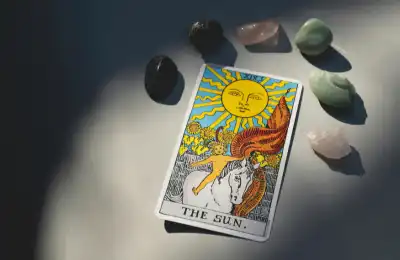
Spiritually, the sun is often linked to personal power and higher awareness.
What Chakra Does the Sun Represent?
In many spiritual traditions, the sun is associated with the solar plexus chakra. This energy centre, located in the upper abdomen, governs confidence, self-worth, willpower, and determination. It is often described as the seat of personal power.
When the solar plexus chakra feels balanced, you’re more likely to feel capable and clear about your direction in life, and more able to express yourself openly and make confident decisions. The connection between the sun and this chakra reinforces the idea that the sun symbolises identity, inner strength, and self-belief.
Just as the sun radiates light outward, a healthy solar plexus chakra allows you to project confidence and warmth into the world around you.
What Does the Sun Signify in Tarot?
In tarot, The Sun card is widely considered one of the most positive and uplifting cards in the deck, representing success, joy, and renewed energy. When it appears in a reading, it often signals a period of happiness or the resolution of confusion.
The imagery typically shows a bright sun shining over a child or an open landscape, reflecting innocence and emotional freedom. The message is simple and encouraging: light has returned, and clarity is available.
The meaning of The Sun in tarot aligns closely with broader sun symbolism meaning found across cultures. It represents illumination after darkness, confidence after doubt, and a renewed sense of vitality and purpose.
The Sun in Art and Literature
Artists and writers have long been inspired by the sun’s imagery, using it to express life, time, divinity, and emotional warmth. Across creative works, the sun often acts as a powerful visual or literary symbol of transformation and clarity.
- Claude Monet – Impression, Sunrise: The glowing sun suggests renewal and shifting perception. Its soft light captures a moment of awakening, reflecting hope and the beginning of something new.
- J. M. W. Turner – Sunset Paintings: Turner’s dramatic skies often use the setting sun to symbolise change, reflection, and the passage of time. The fading light creates emotional depth and a sense of transition.
- Religious Renaissance Art: Radiant sunlight and golden halos frequently represent divine presence, holiness, and spiritual illumination. The sun’s light becomes a visual symbol of higher truth.
- Ernest Hemingway – The Sun Also Rises: The sun reflects endurance and continuity. Despite themes of loss and disillusionment, the title itself suggests that life carries on and renewal remains possible.
- William Blake and Emily Dickinson – Poetry: Both poets use the sun as a metaphor for truth, awakening, inspiration, and inner clarity. Its brightness often represents intellectual or spiritual revelation.
Whether in painting, novels, or poetry, the sun serves as a creative symbol of hope and emotional insight.
Frequently Asked Questions About Sun Symbolism
What Does the Sun Symbolise in Life?
In everyday life, the sun symbolises energy, motivation, and personal growth. It reflects your ability to move forward and create positive change.
Why Is the Sun So Healing?
Sunlight supports physical health through vitamin D production and improved mood. Symbolically, light represents renewal and hope, which is why many people see the sun as emotionally healing.
What Power Does the Sun Create?
Physically, the sun generates heat and light. Symbolically, it creates transformation, clarity, and growth.
What Symbols Are Associated with the Sun?
Common symbols include circles, rays, spirals, sun wheels, and the sun with a human face. These symbols for sun reflect wholeness, expansion, and awareness.
What Do Sun Tattoos Symbolise?
Sun tattoos often represent strength, rebirth, positivity, and spiritual awakening. They can mark a new chapter or remind you to carry your own light.
Recommended for you!
Best Sellers

Study Spirit Animals and Totems for £29
If you enjoy learning about the meanings behind natural symbols, you may love discovering the spiritual significance of animals, too. You can explore this further through our Spirit Animals and Totems Diploma Course, available for just £29.




