Dragons appear in stories, art, and spiritual traditions all around the world, and across cultures and belief systems, they represent powerful ideas about life, transformation, wisdom, and energy.
Understanding dragon symbolism can help you see why dragons have remained so important for thousands of years. From dragons in Asian culture to European legends and modern spiritual interpretations, dragons continue to represent powerful human experiences.
This guide explores the symbolism of dragons, their cultural meanings, and what they may represent spiritually and psychologically.
Jump to:
What Does a Dragon Symbolise?
Across different traditions, dragons tend to symbolise power, transformation, and hidden knowledge. Although their appearance varies from culture to culture, the symbolism of a dragon often centres on energy and strength.
A dragon represents forces larger than human life. These forces may include nature, wisdom, courage, or the unknown. Because dragons are usually portrayed as ancient and intelligent beings, they often symbolise deep knowledge or spiritual awareness.
Many traditions see dragons as guardians, protectors of treasure, sacred places, or spiritual wisdom. In symbolic terms, this treasure often represents personal growth and enlightenment.
For some people, dragons represent transformation. A dragon shedding its skin, breathing fire, or rising into the sky can symbolise change and renewal. This is one reason dragon imagery appears in spiritual teachings about personal development.
The Spiritual Meaning of Dragon Energy
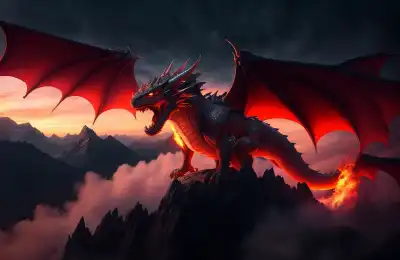
Many spiritual traditions talk about a dragon’s spiritual energy as a symbol of powerful life force. In spiritual discussions, dragon energy is often associated with transformation and awakening.
When people explore dragon spirituality, they often view dragons as guides or symbols of inner power. Rather than being physical creatures, dragons can represent spiritual forces that help people confront challenges and grow.
Some interpretations link dragon energy to natural elements such as fire, water, air, and earth. Because dragons are often shown controlling storms or flames, they can represent the balance of these elemental forces.
In this sense, the dragon’s symbolic meaning reflects the idea that powerful energy exists both in the natural world and within each person. Dragons remind you that growth often involves courage, resilience, and learning to work with powerful emotions or life changes.
Dragons in Different Cultures
Different cultures have interpreted dragons in their own ways, yet common themes of power, protection, and transformation appear again and again.
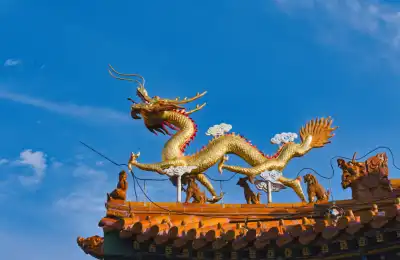
- Chinese Beliefs – In Chinese mythology, dragons symbolise prosperity, balance, and protection. Ancient Chinese dragons were believed to control rain and rivers, making them important symbols of life and abundance. The dragon also represented imperial authority and good fortune, which is why dragon imagery appears in festivals, temples, and art throughout Asian culture.
- Japanese Traditions – Japanese dragon legends share similarities with Chinese mythology. These dragons are often water spirits connected with oceans, rivers, and rainfall. Rather than destructive creatures, they’re usually wise guardians who symbolise balance and the natural forces of the world.
- European Mythology – In many European legends, dragons appear as powerful creatures guarding treasure or sacred places. They often symbolise challenges that heroes must overcome. In symbolic terms, these dragons represent obstacles or hidden potential that can only be reached through courage and determination.
- Norse Mythology – Dragons in Norse myths often represent immense power and ancient forces. Creatures like Níðhöggr, who gnaws at the roots of the world tree Yggdrasil, symbolise destruction and renewal within the cycle of life. These stories show how dragons can represent both danger and transformation.
- Mesoamerican Beliefs – In Aztec and Mayan traditions, the feathered serpent deity Quetzalcoatl is sometimes described as dragon-like. This figure symbolises wisdom, creation, and spiritual knowledge, showing how dragon imagery can represent divine guidance and enlightenment.
Are Dragons Good or Evil Symbols?
Whether dragons are good or evil depends on the cultural tradition and story being told. In many Western myths, dragons appear as dangerous creatures guarding treasure or threatening kingdoms. These stories often portray dragons as obstacles heroes must overcome.
However, even these legends can carry deeper meaning. In symbolic terms, the dragon may represent fear, temptation, or personal challenges that must be faced in order to grow.
In contrast, Eastern traditions tend to portray dragons as wise and benevolent beings. In these cultures, dragons symbolise prosperity and cosmic harmony. Because of this contrast, the symbolism of dragons often reflects the idea that power itself is neutral. It can be used for protection and wisdom, or it can become destructive if misused.
Famous Dragon Myths
Dragons appear in legends across the world, often representing powerful forces, ancient wisdom, or challenges that heroes must overcome. These stories continue to influence how people understand what dragons represent in mythology and spirituality.
The Chinese Dragon Kings
In dragons Chinese mythology, the Dragon Kings were powerful rulers of the seas and weather. Each king governed one of the four oceans and controlled rainfall, storms, and rivers. These ancient Chinese dragons were respected as divine protectors who ensured balance in nature and prosperity for the land.
St George and the Dragon
One of the most famous European legends is the story of St George and the Dragon. In this tale, a dragon terrorises a town until the knight George defeats it. Symbolically, the dragon represents danger or chaos, while the hero’s victory reflects courage and the triumph of good over fear.
Fafnir in Norse Mythology
In Norse mythology, the dragon Fafnir was once a man who transformed into a dragon after becoming consumed by greed. He guarded a cursed treasure hoard, symbolising the destructive power of obsession and greed. This myth reflects how dragons in Norse stories often represent powerful emotions and the darker side of human nature.
The Dragon of Kraków
Polish folklore tells the story of the Dragon of Kraków, a creature that lived in a cave beneath Wawel Hill and demanded sacrifices from the townspeople. According to legend, a clever shoemaker defeated the dragon by tricking it into eating a sheep filled with sulphur, causing it to drink so much water that it burst. The story highlights how dragons in folklore often symbolise challenges that can be overcome through intelligence rather than brute strength.
Dragon Colours and Their Spiritual Meanings
The colour of a dragon can add another layer to its spiritual symbolism. In mythology and spiritual traditions, different dragon colours are often associated with specific energies and meanings.
- Red Dragon – The red dragon meaning is commonly linked to power, passion, and life force. Red dragon symbolism often represents courage and transformation. Because red is associated with fire and vitality, the red dragon can also reflect strong energy, leadership, and protection.
- White Dragon – White dragon symbolism is usually connected to wisdom, purity, and spiritual insight. They’re often seen as guardians of ancient knowledge and higher awareness, symbolising clarity and enlightenment.
- Black Dragon – Black dragons often represent mystery and hidden knowledge. They can symbolise the unknown aspects of life or the subconscious mind, encouraging exploration of inner strength and transformation.
- Green Dragon – Green dragons are frequently associated with nature, growth, and renewal. Their symbolism reflects harmony with the natural world and the cycles of life.
- Golden Dragon – Gold dragons symbolise prosperity and divine protection. In many traditions, they represent abundance, high spiritual energy, and powerful guidance.
How to Know if Dragon Energy is Guiding You

For some people, dragons represent more than mythological creatures. If you feel strongly drawn to dragons, their symbolism might hold personal meaning for you.
- You feel naturally drawn to dragons – You may notice dragons appearing repeatedly in books, art, dreams, or spiritual practices. This connection may indicate that the spiritual meaning of dragon imagery resonates with your inner strength and curiosity.
- Dragons appear during times of transformation – If dragon imagery shows up when you’re facing change or challenges, it may symbolise courage and resilience. Dragons are often associated with personal growth and overcoming obstacles.
- You resonate with dragon qualities – People who feel connected to dragon symbolism often value strength, independence, wisdom, and determination. If these traits reflect your personality, dragon symbolism may feel particularly meaningful.
- You are drawn to powerful energy and transformation – Dragons symbolise powerful life force and change. Feeling connected to dragon energy may reflect a desire for personal development or a deeper spiritual understanding.
- Their symbolism inspires you – If the dragon’s symbolic meaning of strength, protection, and transformation feels significant to you, it may encourage you to embrace these qualities in your own life.
To deepen your connection with dragon symbolism, spend time exploring dragon mythology, meditation, or visualisation practices. Reflecting on what dragons symbolise and how their energy relates to your life can help you understand the role this powerful symbol may play in your personal growth.
Frequently Asked Questions
What Personality Qualities Does the Dragon Represent?
Dragon symbolism is often linked to traits such as courage, independence, and determination. In many myths, dragons are powerful and confident beings, which is why they can represent leadership and resilience. Their ability to move between land, water, and sky also symbolises adaptability and the strength to navigate life’s challenges.
Do Dragons Symbolise Luck?
In many traditions, dragons are considered good luck symbols. In particular, dragons in Chinese mythology are associated with abundance, rainfall, and success. This is why dragon imagery is often used in festivals and celebrations across Asian cultures.
What Elements Do Dragons Represent?
Dragons are often associated with the natural elements. Fire dragons symbolise passion and transformation, while water dragons represent intuition and emotional depth. Other traditions connect dragons with air and earth, reflecting freedom, wisdom, and stability.
What Are Some Famous Dragon Sayings?
Dragons have inspired many symbolic sayings throughout history. One well-known idea suggests that you must face the dragon to reach the treasure, reflecting the importance of overcoming challenges in order to grow. These sayings highlight how dragons often represent the obstacles that lead to personal transformation.
What Gemstone Represents Dragons?
Certain gemstones are sometimes linked to dragon symbolism and energy. Stones such as garnet, ruby, and red jasper are often associated with courage, strength, and vitality. Because dragons symbolise powerful natural forces, these gemstones are believed to support resilience and inner power.
What Does a Dragon Symbolise in Psychology?
In psychology, dragons are often seen as symbols of powerful emotions or unconscious forces within the mind. Carl Jung described dragons as archetypal images that represent the “shadow self”, or the hidden aspects of a person’s personality. From this perspective, confronting a dragon symbolises facing inner fears or challenges in order to achieve personal growth.
What Are Dragons a Metaphor For?
Dragons are often used as metaphors for the obstacles people must overcome in life. In many myths, heroes must confront a dragon before gaining success or transformation. This symbolism reflects the idea that facing challenges and fears can lead to personal development.
Recommended for you!
Best Sellers


Study Dragons and Dragon Energy for £29
If you’re curious to explore dragon symbolism and spiritual energy in greater depth, you may enjoy learning more about dragon traditions and teachings.
The Dragons and Dragon Energy Diploma Course from Centre of Excellence explores the mythology, symbolism, and spiritual meaning behind dragons from around the world. Enrol today and begin learning for the discounted price of £29.