If you’ve stumbled across the name Balor in a book, a video, or while exploring Celtic legends, you might already have a sense that he’s one of the most striking and fearsome figures in Irish mythology.
This guide introduces you to Balor in Celtic mythology, breaking down the myths, meanings, symbols, and stories associated with him.
Jump to:
Who Is Balor in Celtic Mythology?
Balor is one of the most feared figures in Irish mythology, often described as a giant, a sorcerer, and the king of a supernatural race called the Fomorians. These beings were sometimes portrayed as hostile forces representing chaos, darkness, and the more destructive aspects of nature.
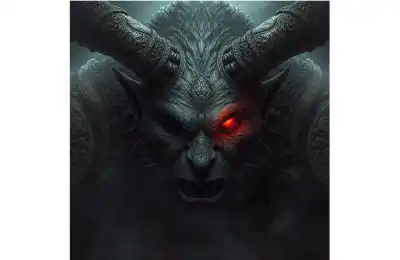
Balor is usually remembered for one defining feature: his single, devastating eye. This eye – sometimes on his forehead, sometimes on the back of his head – could kill or destroy anything it looked at. Because of this frightening ability, he is frequently associated with destruction and overwhelming power.
Although he is often described as monstrous, Balor isn’t a simple villain. Instead, he plays the role of an archetypal dark force, countering the heroic light embodied by figures like his grandson, Lugh. Their story is central to many of the myths surrounding the early invasions and battles in Ireland’s legendary history.
What Is the Story of Balor?
Balor appears in several myths, but the most well-known tale involves a prophecy, a grandson, and a legendary battle.
The Prophecy of His Death
Like many mythic figures, Balor learns of a prophecy that one day he will be killed by his own grandson. Naturally, he goes to extreme lengths to stop this from happening.
He locks his daughter, Ethniu, in a tower to prevent her from ever having children. But mythological stories love to challenge fate, and Ethniu becomes pregnant through a series of magical events. She gives birth to triplets, and although Balor attempts to get rid of them, one baby survives: Lugh.
Lugh: The Grandson Destined to Defeat Him
Lugh grows up away from Balor’s realm, trained in battle and the arts. Eventually, he joins the Tuatha Dé Danann, a powerful supernatural race often seen as the heroic contrast to Balor’s Fomorians. Their conflict symbolises light versus darkness, order versus chaos.
The Battle of Mag Tuired
Balor and Lugh meet on the battlefield during a climactic war between the Tuatha Dé Danann and the Fomorians. Balor uses his terrible eye to strike down many of his enemies. However, Lugh stands firm.
How Was Balor Killed?
According to the legend, Lugh kills Balor by striking his deadly eye with a spear or slingshot. In some versions, the eye is knocked out of the back of Balor’s head, still destroying anyone behind him even as he dies. This powerful imagery reinforces the idea that destruction can continue even when its source is defeated.
The ending fulfils the prophecy that Balor tried so hard to prevent. It also establishes Lugh as one of the most celebrated heroes in Irish mythology.
What Is the Origin of the Name Balor?
Understanding the Balor meaning sheds light on how ancient people viewed him. The name likely comes from old Irish words related to destruction and or deadly glances. Some interpretations suggest it translates roughly to “the deadly one” or “the one who beams down death.”
This connection strengthens the idea that Balor’s most iconic trait was more than a physical feature. It symbolised his role as a bringer of ruin, a force that strikes suddenly and powerfully, much like storms or natural disasters ancient people had to face.
What Does Balor Mean in Gaelic?
In Gaelic roots, the name is linked to terms associated with danger, death, and a harmful gaze. This gives you a clear sense of how deeply his destructive power was woven into his identity. His very name carried weight, warning listeners of the type of being they were dealing with.
How Do You Pronounce Balor in Irish?
Balor is usually pronounced “BAL-ur” in English. The Irish pronunciation leans closer to “BAH-lor”, with a softer ending.
Is Balor a Real God?
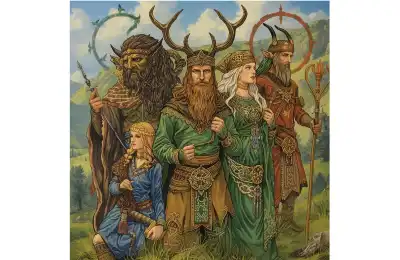
Balor appears in mythological texts rather than in historical records of worship, so he isn’t considered a Celtic god in the same sense as figures from structured religions. However, the Fomorians as a group did take on godlike qualities. They were ancient, powerful, and deeply tied to natural forces.
So while Balor may not have been worshipped directly, he functioned in myth much like a dark or destructive deity, and an embodiment of forces that early Irish communities deeply respected and feared.
Why Is Balor Called the Demon?
Balor is sometimes described as a demon-like figure in modern retellings, especially because of his monstrous appearance and his deadly gaze. However, the word “demon” is a later interpretation influenced by Christian storytelling, not by original Celtic belief.
In traditional Celtic tales, he isn’t literally a demon. Instead, he represents chaotic or destructive energy. The idea of him being a “demon” comes from his fearsome presence and the way later storytellers framed supernatural beings using words familiar to Christian audiences.
How Powerful Is Balor?
In the myths, Balor is portrayed as one of the strongest beings of his age. His power goes beyond physical strength. His eye alone can cause mass destruction, and he commands the Fomorians, who themselves possess great magical and supernatural abilities.
However, Balor’s power is balanced by the knowledge that he is ultimately fated to fall. This theme of unstoppable strength clashing with destiny is common in Celtic storytelling.
The Balor Evil Eye: His Most Famous Power
Balor’s most dramatic and memorable feature is his devastating eye. Stories vary, but they generally describe it as:
- So heavy that it required several attendants to lift the lid.
- Capable of poisoning, burning, or killing anything it focused on.
- A symbol of pure destructive force.
This Balor evil eye may have roots in ancient fears of curses, disease, or ill-wishing. Many cultures have their own versions of the evil eye, but Balor’s is one of the most extreme and mythic examples.
The image of a single, destructive eye has influenced generations of artists, writers, and mythologists. It also provides insight into ancient Irish ideas about power and the unknown.
The Symbolism of Balor
Balor is more than a frightening mythological character, representing bigger themes that appear again and again in Celtic storytelling.
- Chaos and Destruction: Balor’s eye symbolises unpredictable and overwhelming forces, similar to storms, sickness, and sudden misfortune.
- The Power of Prophecy: The story highlights how trying to avoid destiny often leads directly to fulfilling it.
- The Balance of Light and Dark: Balor and Lugh are opposite forces. Their clash represents the shift of eras, the triumph of growth over decay, and the idea that no dark force lasts forever.
- Generational Conflict: The grandfather-versus-grandson story reflects cultural themes of renewal and the loss of old ways.
Is Balor Still Relevant Today?
Balor’s story continues to inspire modern writers, artists, video game creators, and fans of mythology. His appearance often reflects the darker, more mysterious aspects of Celtic folklore, making him a perfect figure for those interested in ancient legends, powerful symbols, or supernatural beings. Balor also sparks questions that many people still ask today, such as:
- Why do certain symbols remain powerful for centuries?
- What can myths teach us about human fear, power, and storytelling?
- How do ancient cultures explain the natural forces around them?
Recommended for you!
Best Sellers


Study Celtic Mythology for £29
If learning about Balor has sparked your curiosity, you might enjoy taking your understanding of Celtic lore to the next level. Our Celtic Mythology Diploma Course offers an engaging way to explore the gods, heroes, stories, and cultural meaning behind these ancient tales. Enrol today for a discounted price of £29!